Marius et Olive à Paris
Marius and Olive in Paris


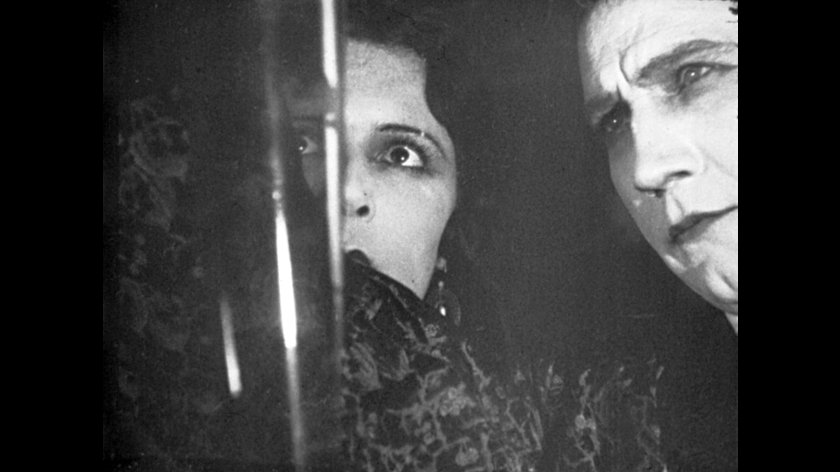
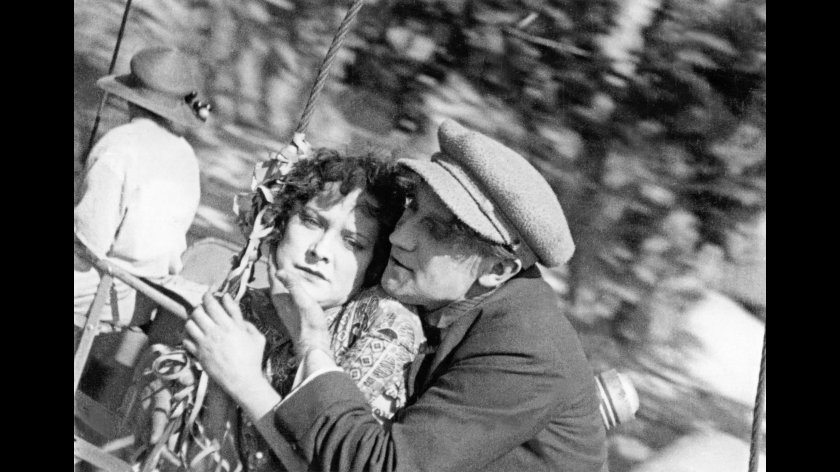
Die Abenteuer eines Paares aus Marseille in Paris; Epsteins einzige Komödie, von diesem ungeliebt, und weder an der Kasse noch bei der Kritik ein Erfolg. Heute so gut wie vergessen. Dabei kann ein wohlwollender Blick hier ein bemerkenswertes Beispiel dafür erkennen, wie gut die vielgerühmte Epstein’sche „Sensibilität für das Ländliche“ an urbanen Schauplätzen funktioniert. Die Rhythmen und Illusionen der (großstädtischen) Moderne erweisen sich als Herausforderung für die von Marius und Olive vertretenen provinziellen Vorstellungen von Romantik. Epsteins suchendes Auge findet (auch versöhnende) Bilder für die Intimität wie für die Entfremdung des Stadtlebens. (Jean-Michel Gentile)
Alle Retrospektiven-Filme, die nach der Viennale – ab dem 29.10. – im Filmmuseum gezeigt werden, können selbstverständlich auch wie gewohnt auf www.filmmuseum.at oder unter Tel. 01/533 70 54 reserviert und an der Kassa des Österreichischen Filmmuseum gekauft werden. Es gelten die Preise des Filmmuseums.
MARIUS ET OLIVE À PARIS squarely belongs to the purely commercial segment of Jean Epstein’s career, but it’s also somewhat of an anomaly, this being his only proper, full-blown comedy, depicting the adventures of a Marseille couple in Paris. Epstein was reportedly unhappy with the film and only directed it so that he would be able to finance his other, more intimate cinematic pursuits, but unfortunately the film was neither a financial nor critical success and remains today largely forgotten. Regardless of this, a benevolent eye can choose to see MARIUS ET OLIVE À PARIS as a poignant example of Epstein’s “rural sensibilities” trying to make sense of an urban setting, a funny yet primarily lyrical exploration of love and longing in the bustling streets of Paris, where provincial romance is tested by the rhythms and illusions of modernity. Despite operating on a form of autopilot, Epstein manages to capture fleeting expressions and atmospheric details of the grand city with his usual probing eye, evoking both the intimacy and alienation of city life. Epstein’s use of sound here remains somewhat primitive, but it nevertheless becomes a key expressive tool, not merely to convey dialogue but also to heighten emotional texture of this brief feature. (Jean-Michel Gentile)
- Barencey
- René Sarvil
- Pitouto
- Laurette Clody
- Micheline Cheirel
- Illa Meery
- Madame de Krianine
- Geneviève Sorya
- Jean-Michel Pagès
- Jean Epstein
- Philippe Agostini
- Joseph Barth
- Serge Griboff
- Jean Wiener