Les aventures de Robert Macaire
The Adventures of Robert Macaire
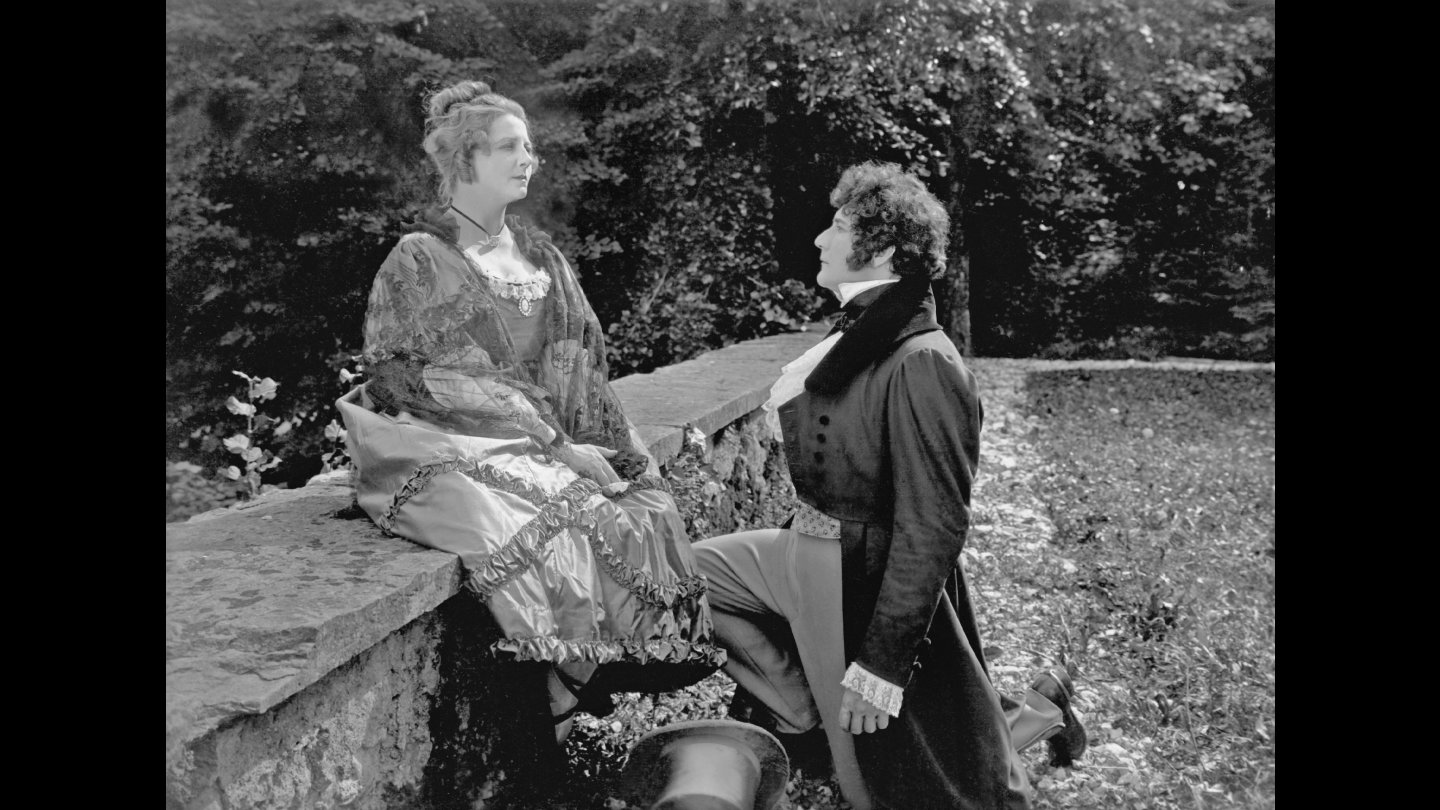
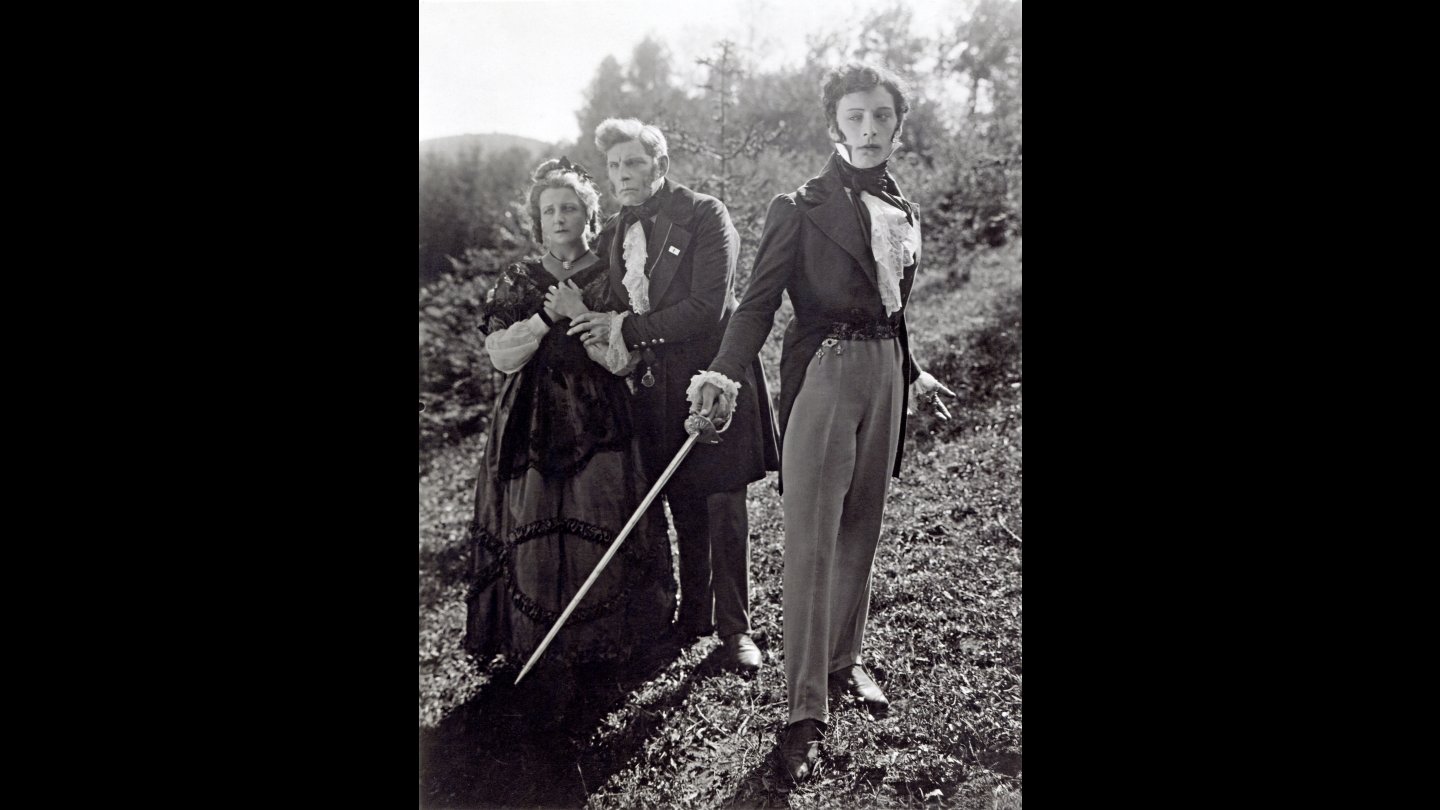
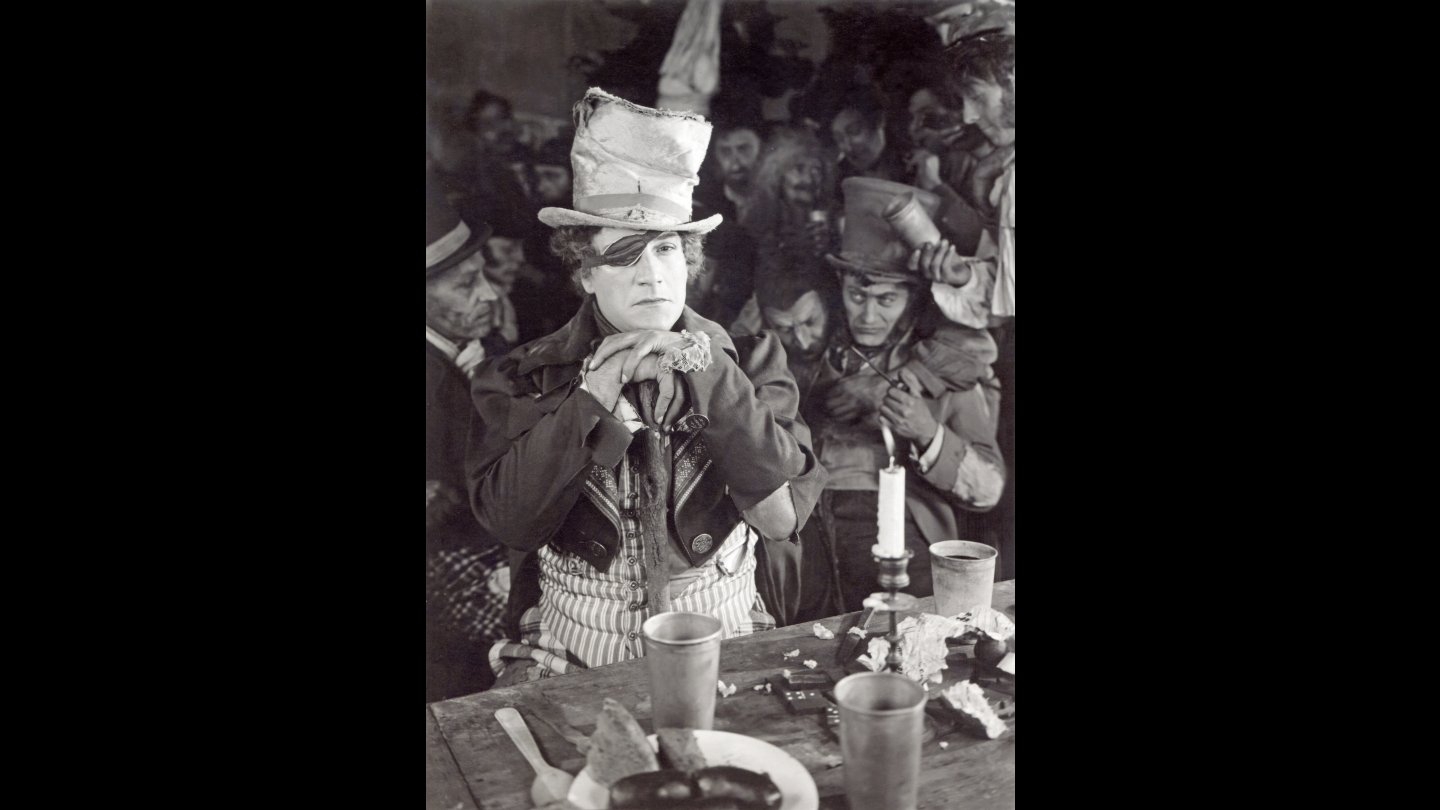
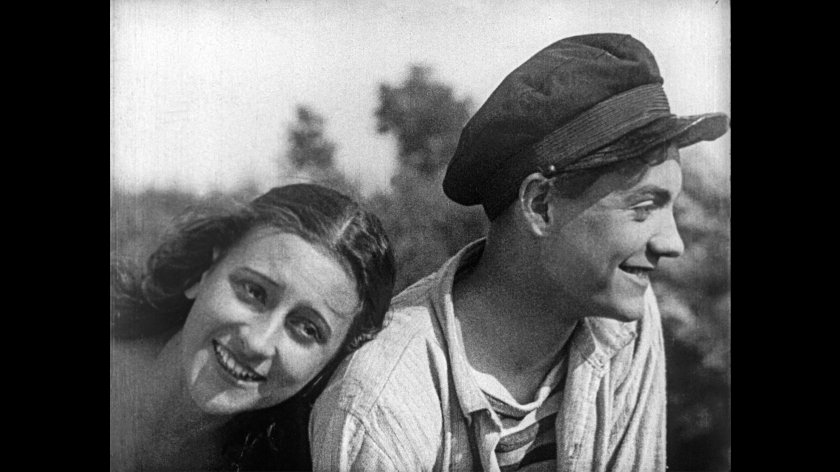
Als Jugendlicher hatte Epstein die Kriminalromane über Arsène Lupin und Fantomas geliebt, seinen filmischen Tribut an diese Tradition zollte er mit diesem Epos über die Abenteuer des Gentleman-Gauners Robert Macaire. Sie beginnen, harmlos genug, damit, dass der Held gemeinsam mit seinem Assistenten ein junges Mädchen rettet, das vom Pferd gestürzt ist. Epsteins Film entspricht dabei auch von der Länge her einem Stummfilm-Serial, aber seine fünf Kapitel erzählen – mit einem charakteristischen Zeitsprung in der Mitte – eigentlich eine durchgehende Geschichte und nicht in sich abgeschlossene Abenteuer. „Ein absoluter Klassiker“, befand Henri Langlois. (Christoph Huber)
Mit Live-Musik-Begleitung von Maud Nelissen am 25.10.
Alle Retrospektiven-Filme, die nach der Viennale – ab dem 29.10. – im Filmmuseum gezeigt werden, können selbstverständlich auch wie gewohnt auf www.filmmuseum.at oder unter Tel. 01/533 70 54 reserviert und an der Kassa des Österreichischen Filmmuseum gekauft werden. Es gelten die Preise des Filmmuseums.
As an adolescent, Jean Epstein loved the books about Arsène Lupin and Fantômas and paid cinematic tribute to the tradition with this epic about the adventures of gentleman crook Robert Macaire, which begin when he and his assistant rescue a young girl who has fallen from her horse. Epstein’s film also corresponds to the silent film serial in terms of length, although his five chapters—with a characteristic jump in time in the middle—actually tell an ongoing story and not individual adventures. Henri Langlois in 1953: “Strangely enough, LES AVENTURES DE ROBERT MACAIRE is never mentioned when people talk about Epstein, although it’s an absolute classic. The film doesn’t contain a single digression, it is entirely immaculate. A whole era and its romantic spirit are captured in convincing fashion. The film is lively, refined; it is intellectual and stylistically much more modern than most of the films of today. It is Epstein’s most authentic film—the selection of the landscapes, how close the supporting characters are to reality, Mercier’s carefully crafted interiors, all details, even down to the faux naivety and levity, that serve to submerge us completely in the spirit of the age.” (Christoph Huber)
- Jean Angelo
- Susanne Bianchetti
- Nino Costantini
- Camille Bardou
- Marquisette Bosky
- Charles Vayre
- Paul Guichard
- Jehan Fouquet
- Nicolas Roudakoff