Ulzana's Raid
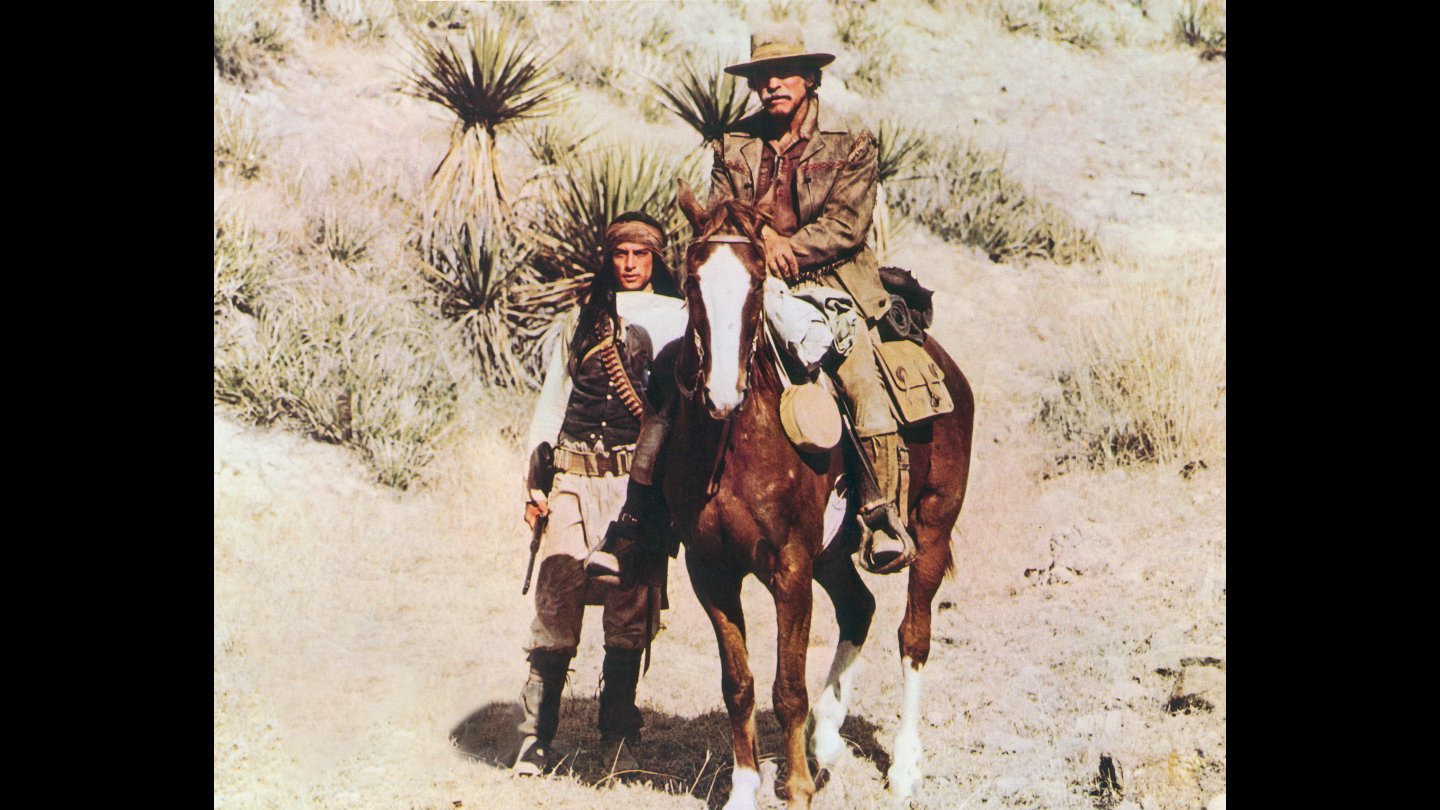
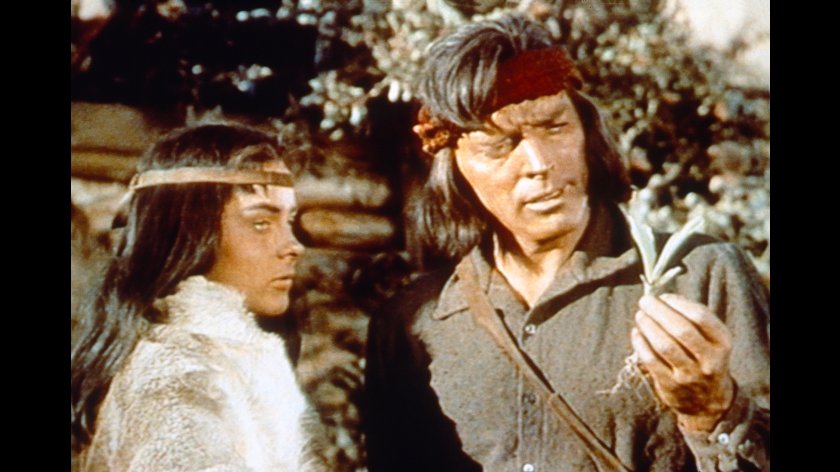
Parallel zum Vietnamkrieg analysiert dieser einzigartige Western den Genozid an der indigenen Bevölkerung der USA mit einer unparteiischen Klarheit, die so verstörend wie erhellend ist. Auf der Flucht aus dem Reservat hinterlässt eine Gruppe von Apachen Kriegern eine Guerilla-Blutspur. Ein Kavallerietrupp nimmt die Verfolgung auf. Nur der desillusionierte Armee-Scout McIntosh ist imstande, beide Seiten, beide Kulturen zu sehen. Zwischen denen es aber keine Verständigungsgrundlage gibt, nur Vernichtungswillen. Alan Sharps pointierte Dialoge und Aldrichs ökonomische Regie verdichten sich zum Porträt einer feindlichen Welt – das bei aller abgeklärten Bitternis nie ganz hoffnungslos ist. (Christoph Huber)
Alle Retrospektiven-Filme, die nach der Viennale – ab dem 04.11. – im Filmmuseum gezeigt werden, können selbstverständlich auch wie gewohnt auf www.filmmuseum.at oder unter Tel. 01/533 70 54 reserviert und an der Kassa des Österreichischen Filmmuseum gekauft werden. Es gelten die Preise des Filmmuseums.
Following the loss of his studio, Aldrich directed one of his finest and most personal works for Universal: ULZANA’S RAID is a radical reworking of APACHE (1954) and a unique Western that analyses the genocide of the Indigenous peoples of America in tandem with the backdrop of the Vietnam War with an impartial clarity that is as disturbing as it is enlightening. A group of Apache warriors flees their reservation, leaving a bloody trail of guerrilla warfare in their wake. A cavalry troop takes up the chase, and only disillusioned army scout McIntosh (Burt Lancaster as Aldrich’s characteristic “voice of reason”) is capable of seeing both sides. Yet there is no common ground between the two cultures, only destruction. Alan Sharp’s brilliantly incisive dialogue and Aldrich’s masterfully economical direction coalesce into a portrait of a hostile world which, for all its serene bitterness, is never without hope. In Aldrich’s words: “The film was saying at various levels that through ignorance of other peoples’ cultures, behaviours, deities, customs, you do more damage than through intention. I hoped that by having Lancaster speak for the ‘Indians’ you got an educated and experienced point of view on their culture. It worked, but not for the audience.” (Christoph Huber)
- Burt Lancaster
- Bruce Davison
- Jorge Luke
- Richard Jaeckel
- Joaquin Martinez
- Lloyd Bochner
- Karl Swenson
- Nick Cravat
- Alan Sharp
- Joseph Biroc
- Michael Luciano
- Frank DeVol