Soumsoum, la nuit des astres
Soumsoum, the Night of the Stars
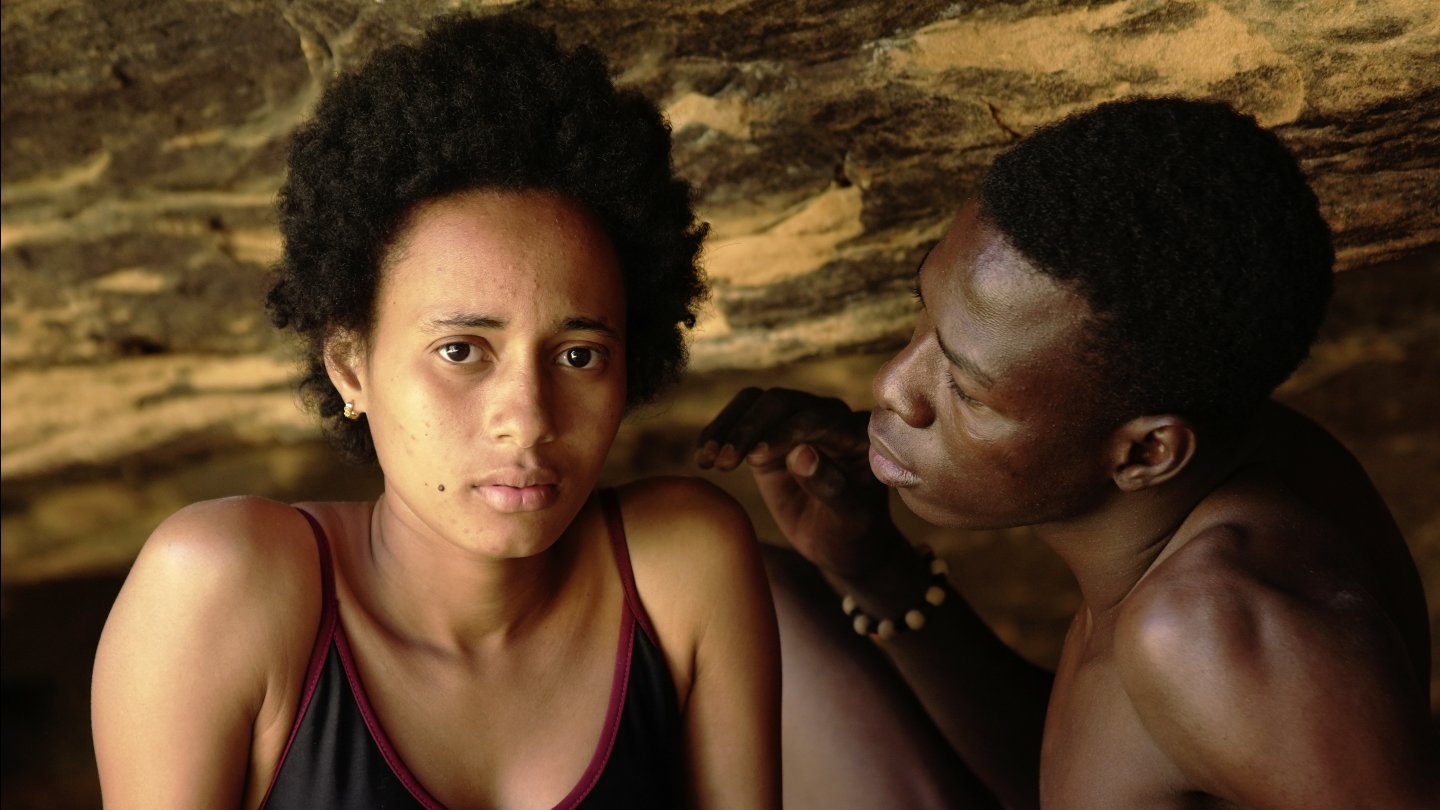
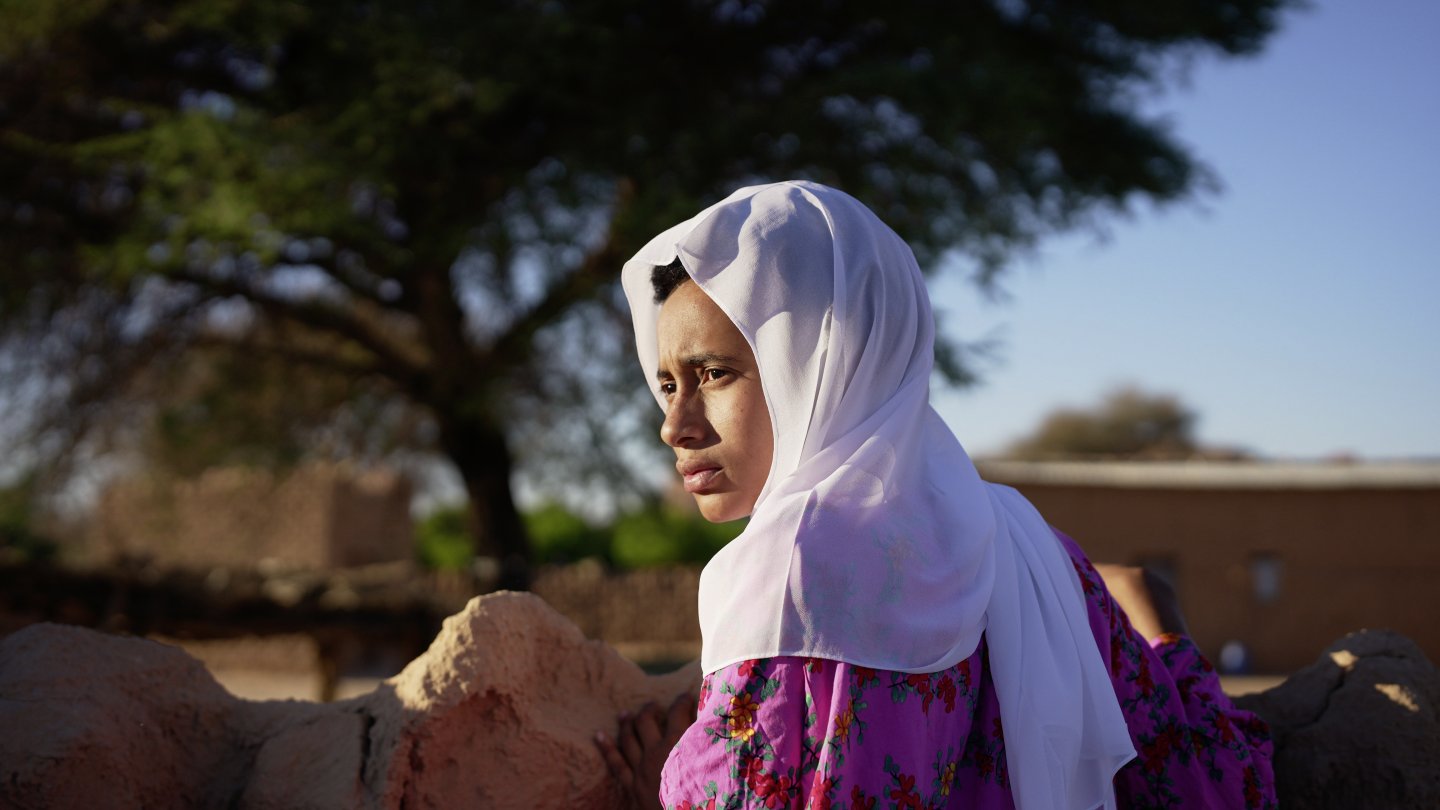
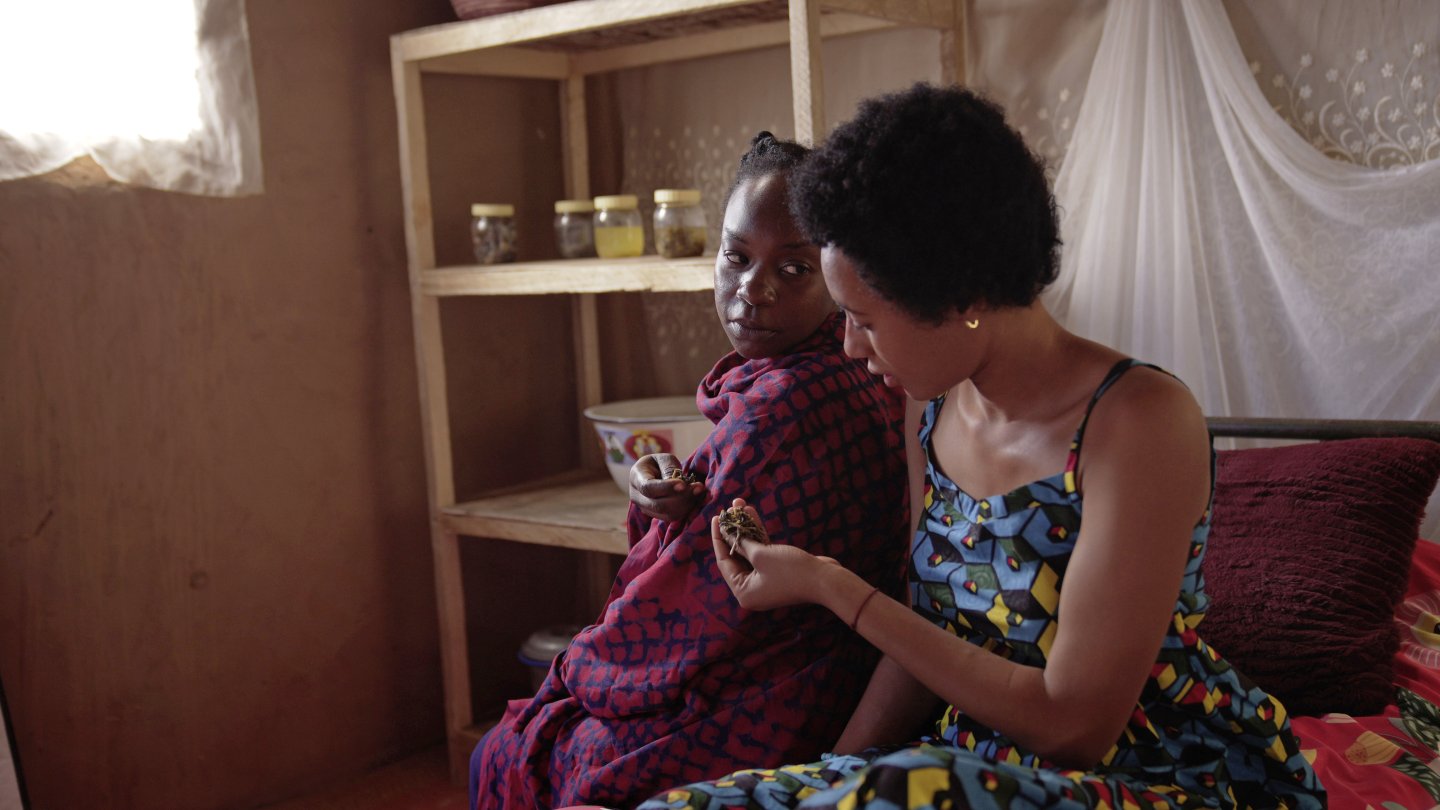
Mahamat-Saleh Haroun ist der Filmemacher des Tschad, eines riesigen, dünn besiedelten Staates in der südlichen Sahara. Im Mittelpunkt seines aktuellen Werks steht Kellou, die in der Logik der Männer „noch ein Kind“ ist. Sie ist eine Außenseiterin, über ihre Geburt sind schlimme Dinge gerüchteweise im Umlauf: Sie stammt „vom Blut ab“, eine schauerliche Umschreibung des Todes ihrer Mutter. Für Haroun ist Kellou ein Medium, in ihren Visionen zeigt sich ein Wissen, das die Frauen hüten, und das auf eine Zeit vor dem Islam verweist. SOUMSOUM ... entwirft davon einen modernen Mythos. Ein zentrales Werk des neuen postkolonialen Kinos. (Bert Rebhandl)
In Anwesenheit von Mahamat-Saleh Haroun.
A teenage girl wanders among the ruins of a recently flooded village, beneath a relentless sun that turns the landscape yellow. Everything is stone and sand, yet the green leaves in the background hold promise. Kellou goes on dates with her boyfriend, wears a swimsuit and unsettles the old men around her. At the same time, she becomes drawn to Aya, an older, wiser woman shunned by the community. Kellou dwells simultaneously in the past and the future. The only uninhabitable time is the present, fraught with hostility at every corner. Assailed by strange visions, she tries to determine whether they are memories or omens. But in SOUMSOUM, LA NUIT DES ASTRES, the primordial world and the society yet to come are one and the same: the prospect of progress is inseparable from an ancient cosmology that predates a rigid, male-dominated monotheism. The film walks a tightrope between ancestry and modernity: a break with traditionalism coexists with a prudently structured narrative. Centuries of African storytelling meet a pop sensibility, filled with easy-listening music and exuberant colours. Aya tells Kellou that there was once a night of madness, love and freedom. Perhaps that vanished world must be reactivated to make a different one possible. (Victor Guimarães)
Mahamat-Saleh Haroun: MARAL TANIÉ (1994, K), GOUDALÉ À GENOUX (1995, K), UN HOMME SANS CHEZ SOI (1996, K), BYE-BYE AFRICA (1999), ABOUNA (2002), DARATT (2006), SEX, OKRA ET SALT (2008, K), UN HOMME QUI CRIE (2010), GRIGRIS (2013), HISSEIN HABRÉ, UNE TRAGÉDIE TCHADIENNE (2016), UNE SAISON EN FRANCE (2017), LINGUI, LES LIENS SACRÉS (2019)
- Maïmouna Miawama
- Ériq Ebouaney
- Achouackh Abakar Souleymane
- Mahamat-Saleh Haroun
- Laurent Gaudé
- Mathieu Giombini
- Yolande Decarsin
- Svetlana Vaynblat
- Bibi Tanga
Films Boutique