Hanabi
Fire Flower
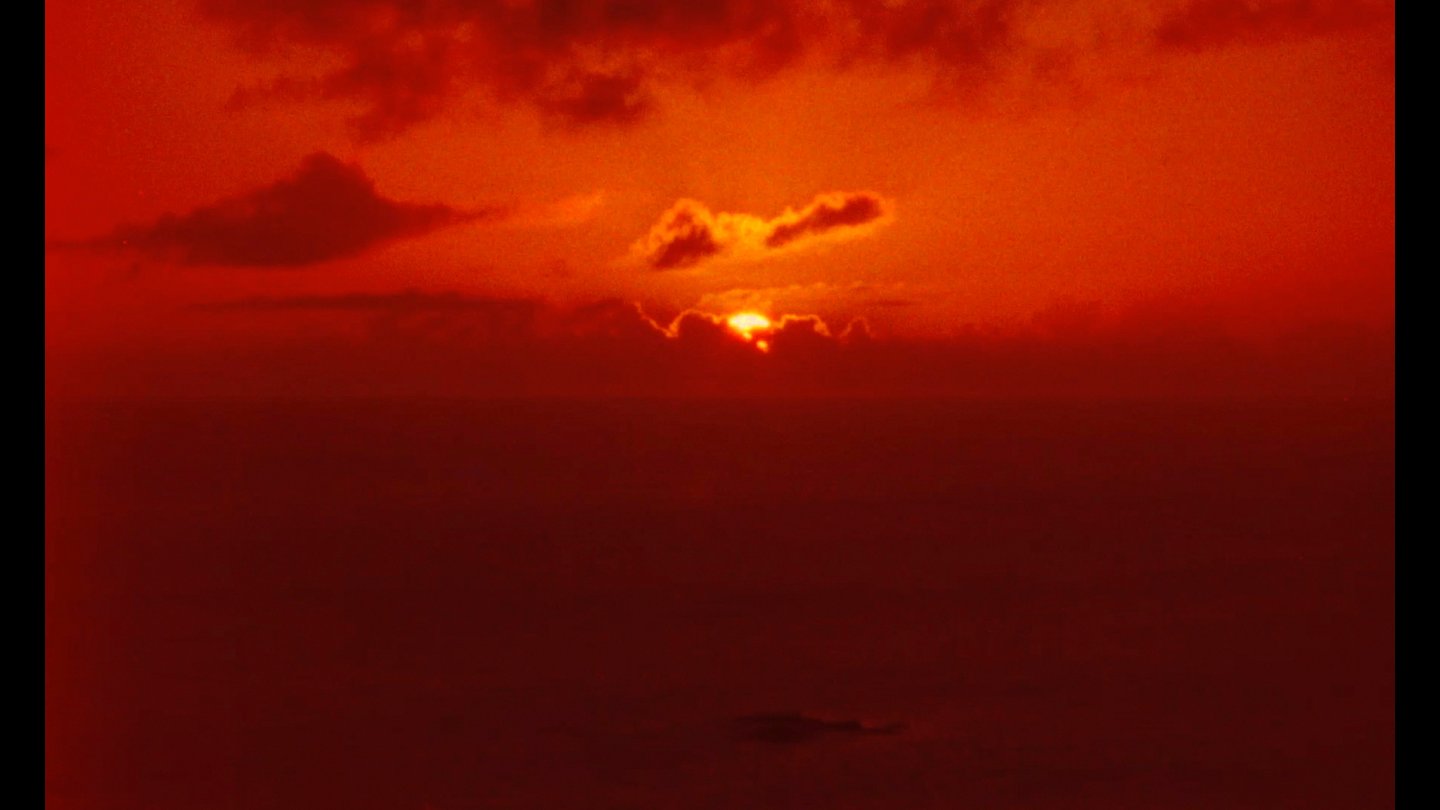
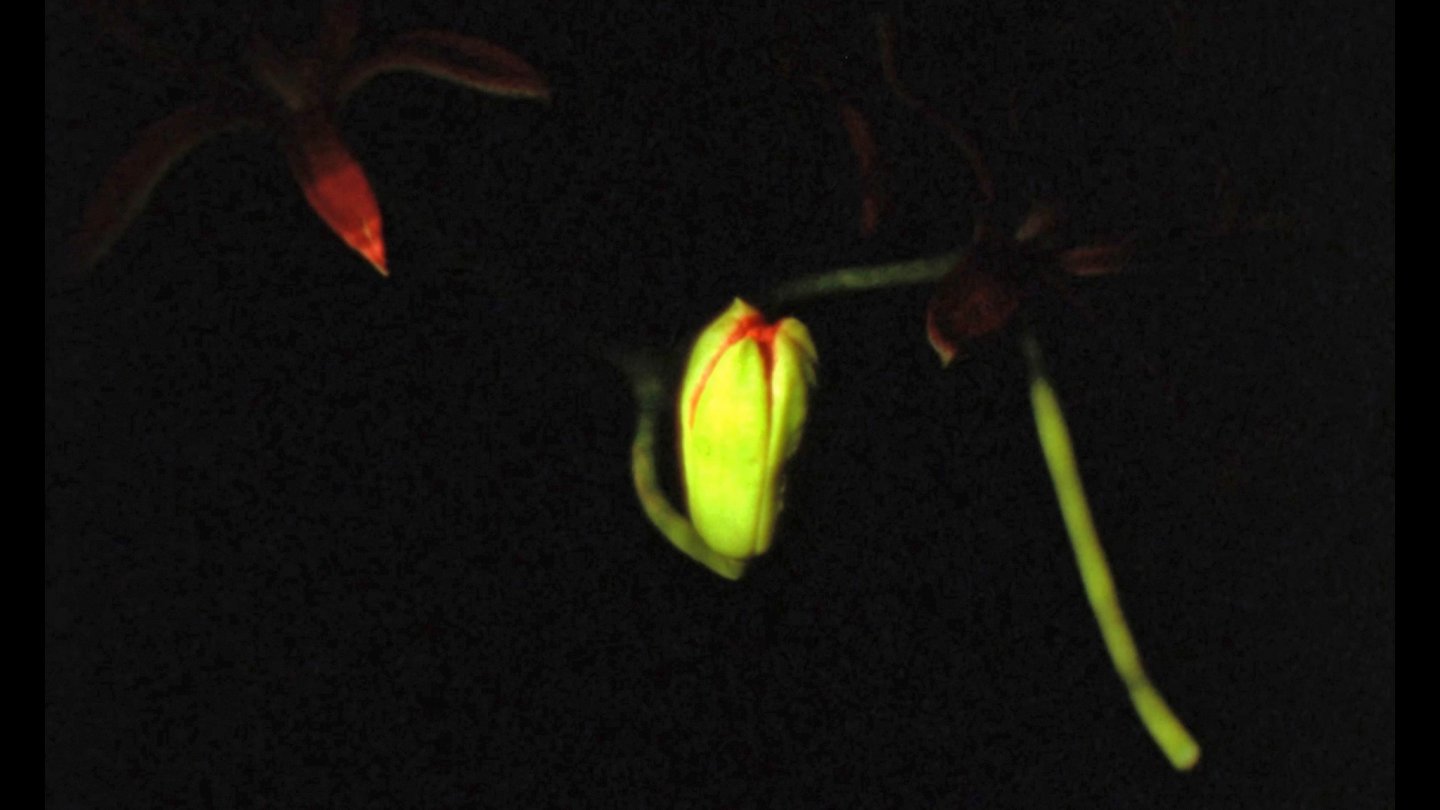
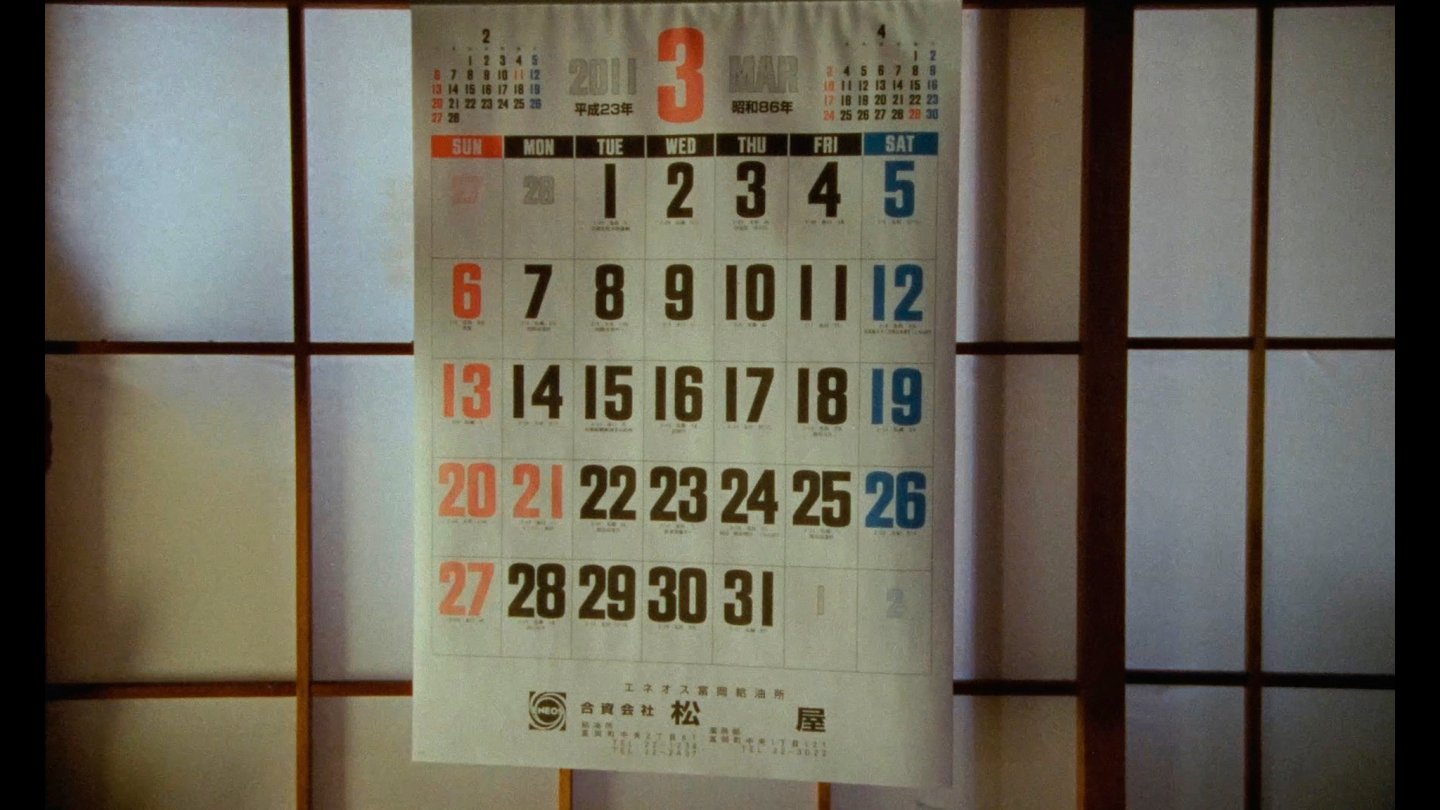
Unter dem Eindruck der Katastrophe von Fukushima begann Hayasuke Yoko ihr „Journal of a Radioactive Brain“. Sie berichtet darin von Existenzangst und Vertrauensverlust als Folgen der Zerstörung und Entwurzelung. Sowie, nicht zuletzt, der Verharmlosung und Verdrängung seitens der japanischen Politik. Vaz’ freie Adaption dieser Aufzeichnungen nähert sich den erschütternden Fakten, die Japans Realität nach einer neuerlichen Atomverseuchung bestimmen, in einem Hybrid aus Experimental- und Dokumentarfilm. Die Gewissheiten lösen sich auf, der Boden unter den Füßen schwankt, die unsichtbare Bedrohung verleiht den Bildern eine giftige Aura. Dasein in der Todeszone. (Alexandra Seitz)
In Anwesenheit von Ana Vaz.
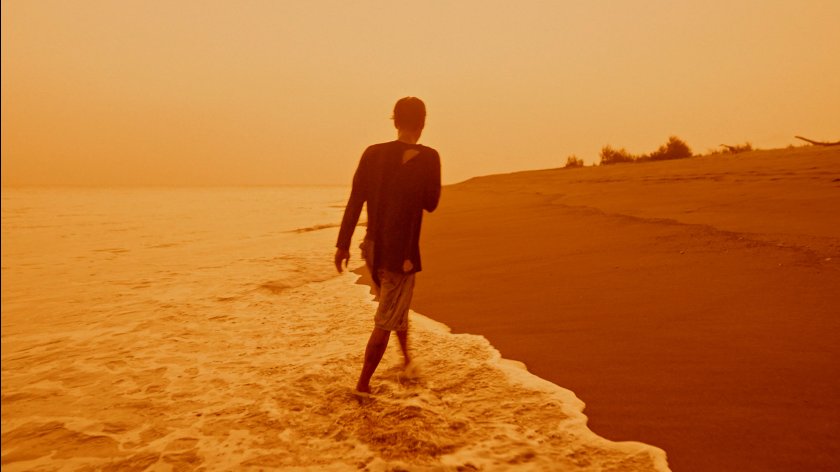
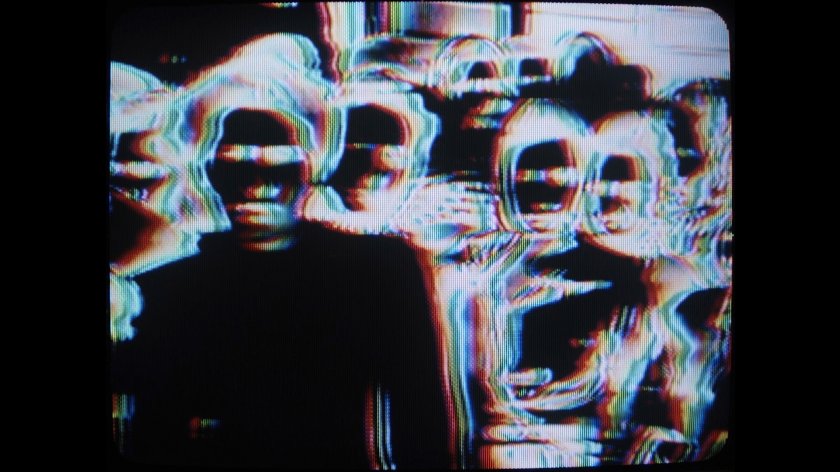
If the human mind tends to banish catastrophe as inconceivable, its aftermath represents the moment when we attempt to absorb it back into the realm of reason and reinstate order. Stemming from Ana Vaz’s decade-long research and artistic production centred on the Fukushima Daiichi nuclear disaster in Japan, HANABI offers an immersive exploration of irradiated human and non-human beings who resist the illusion of normalcy and choose, in Donna Haraway’s terms, to stay with the trouble. The film borrows its diaristic framing from Hayasuke Yoko’s Journal of a Radioactive Brain, a chronicle in the second person written four years after the disaster. Vaz’s film depicts radioactivity as a sensory component—its invisible presence felt in the languid, detached voice of the narrator, or in the metallic hums and creaks that pervade the soundscape. Meanwhile, the evocative 16mm images, gleaned from the neon-lit nocturnal cityscape and the vibrantly coloured sunny countryside, are fleeting in their duration, but still feel imbued with persistent fears and hopes. Yet Vaz doesn’t seek purity through form—external elements like archival video footage and email exchanges embody a cinematic contamination that, unlike its counterpart in the real world, yields resilience and survival. (Öykü Sofuoğlu)
Ana Vaz: SACRIS PULSO (2007, K), ENTRE TEMPS (2012, K), LES MAINS, NÉGATIVES (2012, K, KO-REGIE), A IDADE DA PEDRA (2013, K), OCCIDENTE (2014, K), UN FILM, RÉCLAMÉ (2015, K, KO-REGIE), HÁ TERRA! (2016, K), AMÉRIKA: BAHÍA DE LAS FLECHAS (2016, K), OLHE BEM AS MONTANHAS (2018, K), AMAZING FANTASY (2018, K), ATOMIC GARDEN (2018, K), PSEUDOSPHYNX (2020, K), APIYEMIYEKÎ? (2020, K), A ÁRVORE (2022, K), É NOITE NA AMÉRICA (2022)
- Yukari Morimoto
- Kota Takeuchi
- K.A.
- Ayami Awazuhara
- Hayasuke Yoko
- Ana Vaz
- Sadako Aoki
- Kazuhiro Onuki
- Tarachine
- Naoto Matsumura
- Taio Kaneda
- Noritsugu Miyagawa
- Kaori Morimoto
- Morimoto Tomomichi Farm
- Ana Vaz
- Nuno da Luz
- Chaghig Arzoumanian
- Ana Vaz
- KETU
onzer films