Yesterday the Eye Didn't Sleep
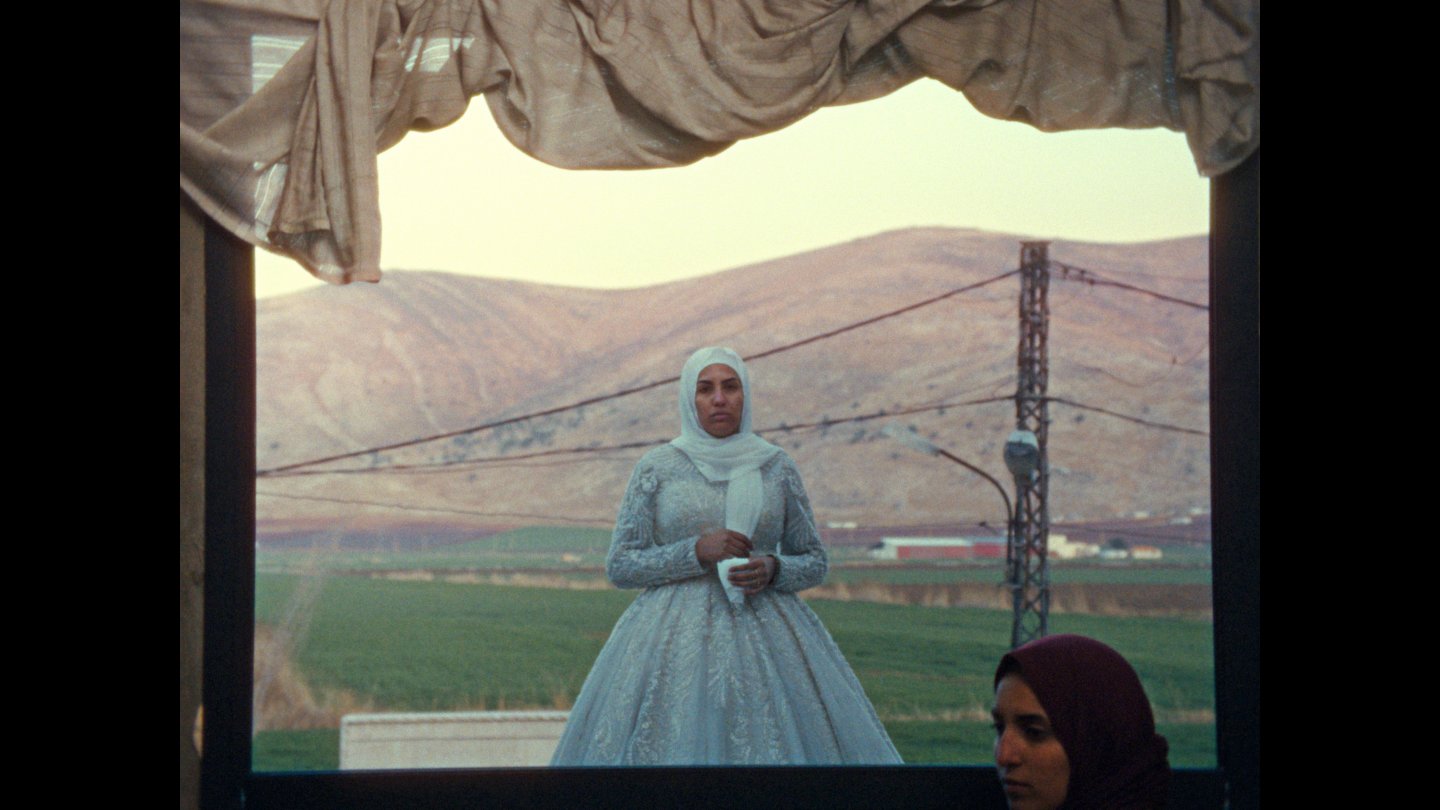
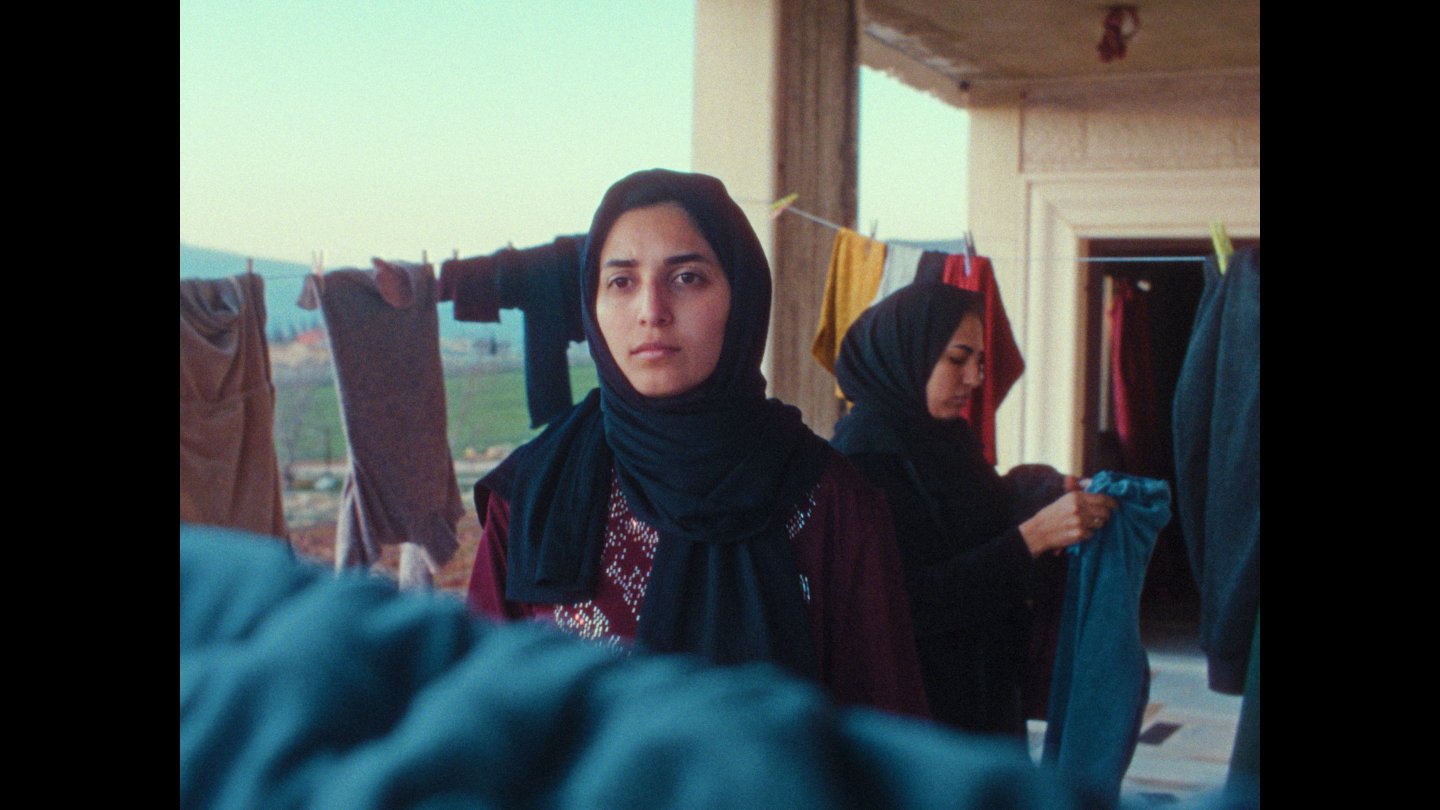
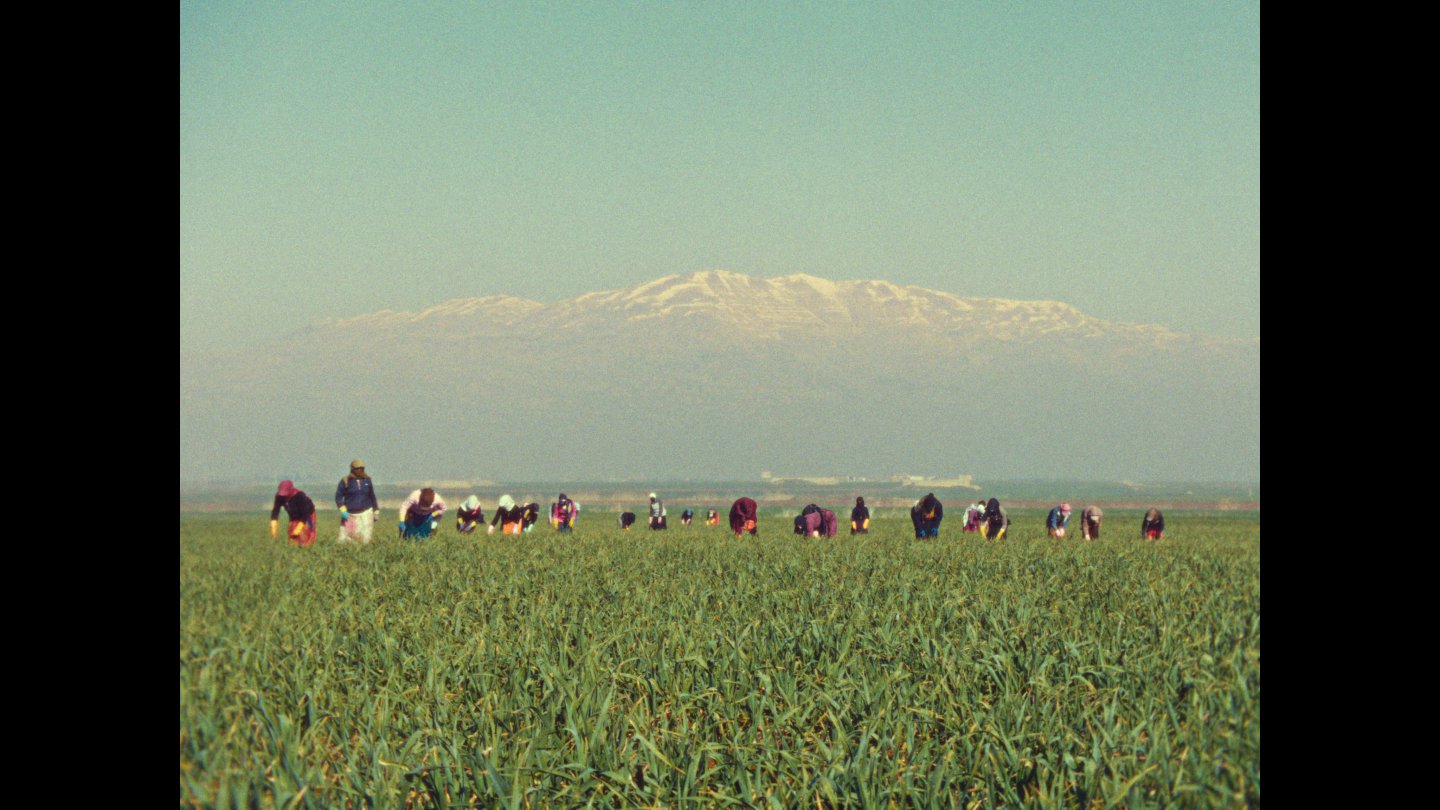
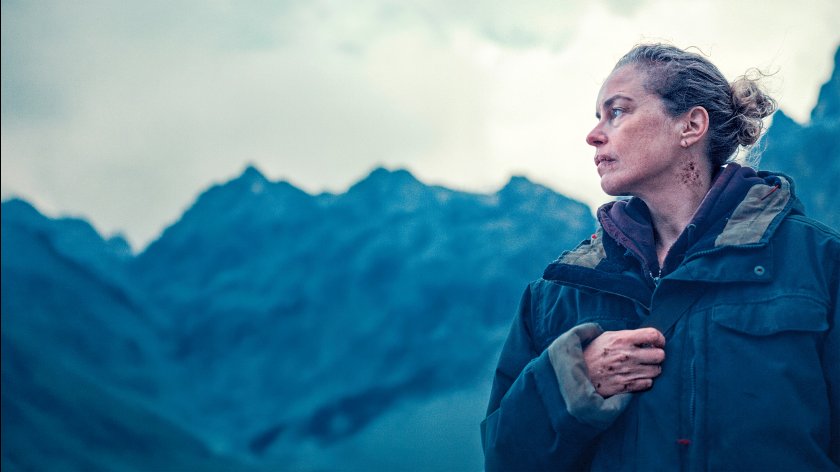
Ein Tal an der Grenze zwischen dem Libanon und Syrien: ein brennendes Auto, eine verschwundene Frau. In seinem Spielfilmdebüt erzählt der palästinensische Regisseur die Geschichte einer unerbittlichen Fehde. Auf der Suche nach der Vermissten verschuldet ihr Cousin den Tod eines Angehörigen der verfeindeten Sippe – nun sollen die Schwestern Rim und Jawaher als Friedenspfand zwangsverheiratet werden. Tatsächlich fließen in diesem Film weder Blut noch Tränen: Ohne festes Drehbuch und mit Laiendarsteller:innen schildert Mayasi das dramatische Geschehen mit dokumentarischer Bedächtigkeit, während sich die Menschen in der Weite der Landschaft verlieren. (Michael Pekler)
In Anwesenheit von Rakan Mayasi.
A car is burning. A woman has disappeared. A failed love affair is the cause. A man has an accident and puts another man’s life at risk. Two tribes confront one another, with direct consequences for the lives of the protagonists, two sisters. The way in which these conflicts are settled may seem alien to Western rationality, although the interactions between those who make the decisions and those involved reveal a complexity and subtlety that call for reflection before judgement. The story takes place in the Beqaa Valley, and the Lebanese landscape is not merely a backdrop, nor is the region’s cultural life. The film develops a painstaking sense of framing: evidence of this can be found in the pan towards snow-covered Mount Hermon and in the use of the long shot as a narrative vehicle. It can also be seen in the elegant use of window frames to delimit the image from within a room. Framing and camera angle together define the visual field. That the Palestinian filmmaker once studied with Abbas Kiarostami can also be glimpsed in the way he films conversations from inside cars. His attention to the characters’ faces is itself a sustained visual pleasure, which in a beautiful musical passage becomes an anthropological wonder. (Roger Koza)
Rakan Mayasi: ROUBAMA (2012, K), BONBONÉ (2017, K), TRUMPETS IN THE SKY (2021, K), THE KEY (2023, K)
- Rim Al Mawla
- Jawaher Al Mawla
- Yasser Al Mawla
- Rakan Mayasi
- Wahid Ajmi
- Pôl Seif
- Pôl Seif
- Bassam Lebbos
- Lama Sawaya
- Philippe Charbonnel
- Louis De Schrijver
- Rakan Mayasi
- Abed Kobeissy
- Ted Regklis
- Léa Chammas
Salaud Morisset