Slike iz života udarnika
Life of a Shock Force Worker


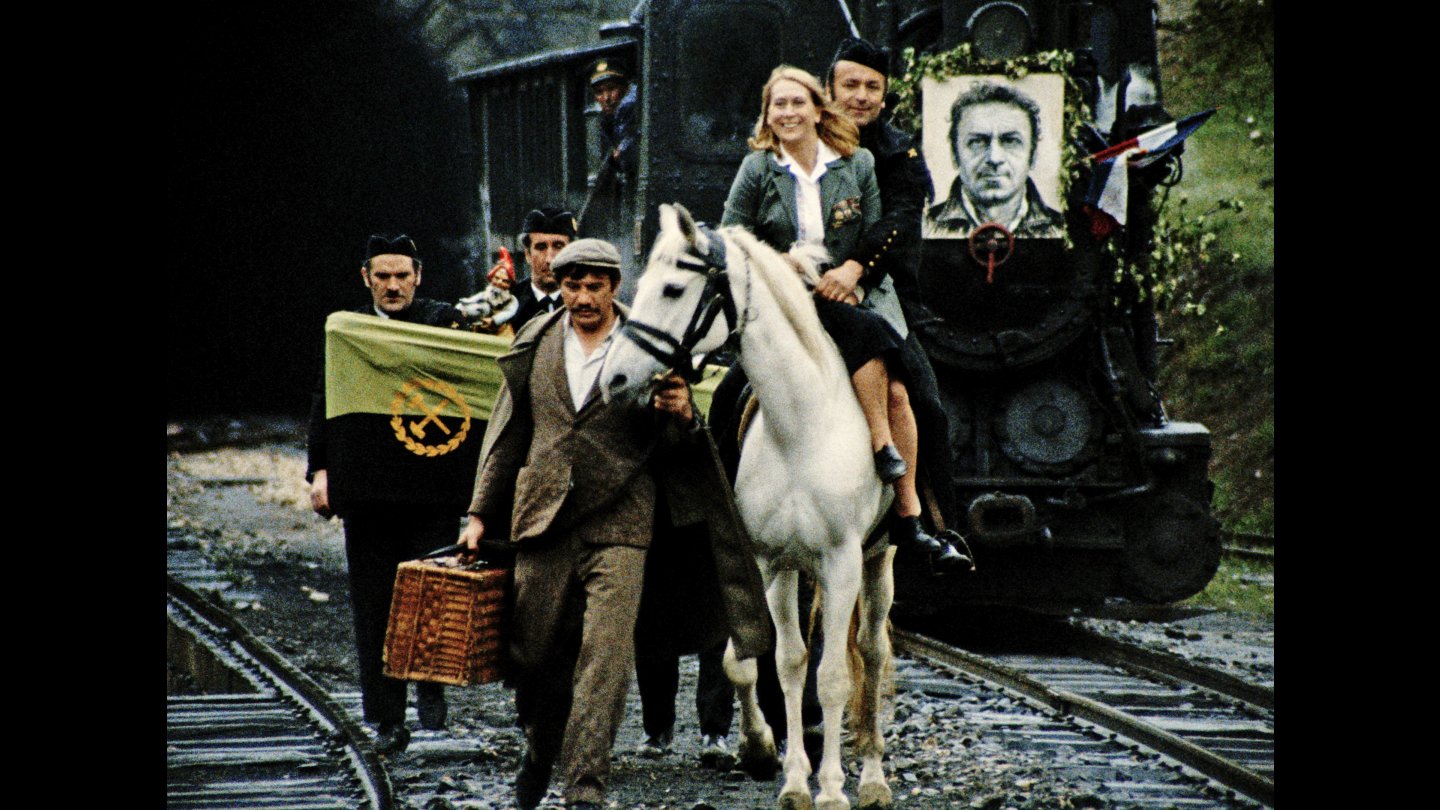
Im sowjetischen Kommunismus gab es einen berühmten Helden der Arbeit: Stachanow, der jeden Plan übererfüllte. Adem mit seinen Bergbaukumpels ist ein jugoslawischer Stachanow. Mit rußnackten Oberkörpern holen sie Kohle aus dem Berg und werden damit zu Idolen. Mit einem ausgeprägten Sinn für die implizite Komik von Propaganda erzählen diese „Szenen aus dem Leben eines Arbeitshelden“ von der heroischen (aber auch stalinistischen) Phase des damals noch zum sowjetischen Block gehörenden Tito-Jugoslawien. Aus heutiger Sicht wird man den großartigen Film auch als ein Menetekel lesen: Er zeigt das fossile Zeitalter auf einem grotesken Höhepunkt. (Bert Rebhandl)
In Anwesenheit von Karpo Aćimović Godina (Kamera).
Adem, a Bosnian coal miner, is praised by the Titoist regime as an example of a working-class man and a buttress of Communism. But does he actually want to be a national hero and what price will he pay for so doing?
Although fuelled by bitter irony, Bahrudin ‘Bato’ Čengić’s feature is not just a playful subversion of socialist realism. Čengić has no illusions at all, neither regarding the exploitation of the proletariat by the Communist party, nor the treatment of the working class at the dawn of the capitalist era.
His film’s driving force stems from its almost Brechtian poetics, which combines the anthropological documentation of miners and their work with theatrical, absurdist vignettes from their daily lives, shot as tableaux vivants by avant-garde master Karpo Godina and accompanied by the deceptively festive music of Bojan Adamič.
The dissonance between the excruciating underground toil of the miners, their public representation and their sense of self-awareness that lingers behind the official façade has a surreal effect. Not only does the film render national heroes as victims, but also functions as a metaphor for the dark, inhuman underbelly of any political agenda and the morals it proclaims. (Evgeny Gusyatinskiy)
In the presence of Karpo Aćimović Godina (DoP).
Bahrudin 'Bato' Čengić: PLAYING SOLDIERS (1967), THE ROLE OF MY FAMILY IN THE REVOLUTION (1971), HEADS OR TAILS (1983), SILENT GUNPOWDER (1990), ALBANIA (1992)
- Adem Čejvan
- Stojan Aranđelović
- Zaim Muzaferija
- Ilija Bašić
- Mida Stevanović
- Štefka Drolčeva
- Helena Buljan
- Bahrudin Bato Čengić
- Branko Vučićević
- Karpo Aćimović Godina
- Dušan Aleksić
- Olga Skrigin
- Marijana Fuks
- Bojan Adamič
- Veselin Badrov