Mila / Marija
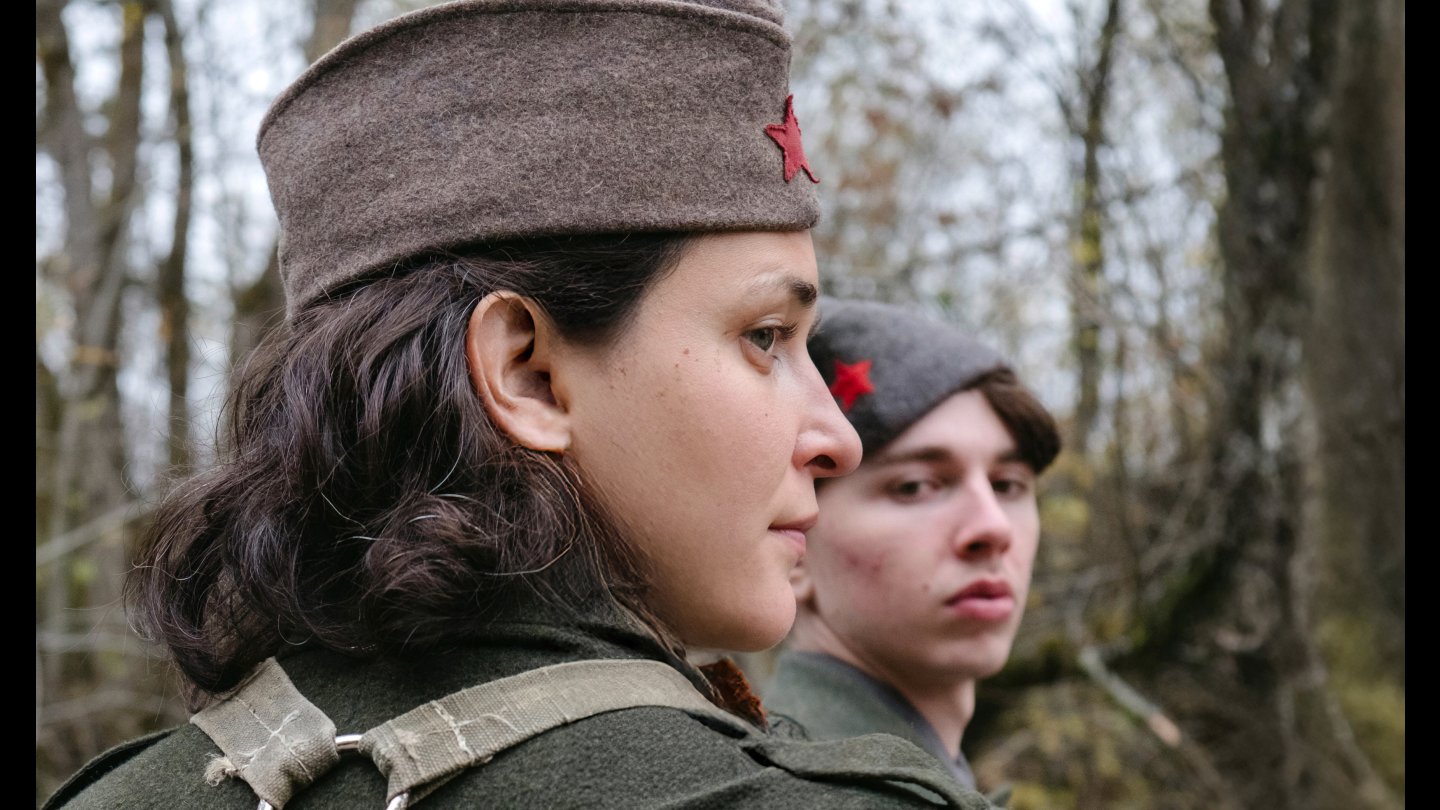
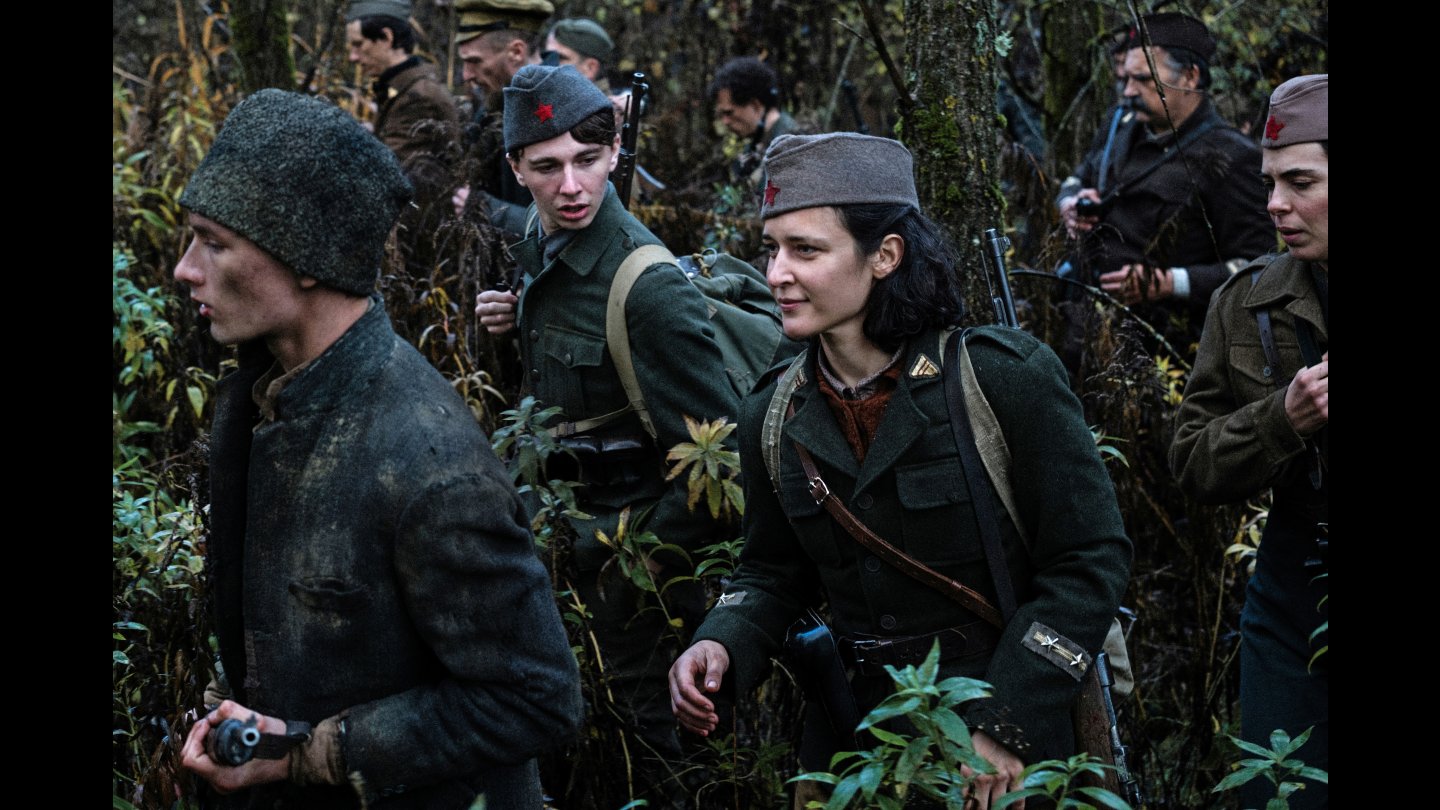
Ein Kärntner Bergdorf, 1942: Mila und ihr Bruder Hanzi schließen sich gegen den Willen ihres Vaters dem Partisanenkampf der Kärntner Slowen:innen gegen die Nazis an. Rasch wird die freiheits- und heimatliebende Mila unter dem Namen Marija zur Gruppen- führerin und organisiert im Wald lebensgefährliche Nadelstiche gegen die Macht des Besatzungsregimes. Kraftvoll, schnörkellos und berührend: Mračnikar hat nach ihrer Doku-Trilogie über die Kärntner Slowen:innen ein bis ins Detail stimmiges Drama über Mut, Widerstand, Identität, Verlust und Erinnerung geschaffen; dass die Geschichte der Volksgruppe bis heute politisch nachhallt, verleiht dem Film besondere Brisanz. (Roman Scheiber)
In Anwesenheit von Andrina Mračnikar, Marko Madić und am 25.10. Doroteja Nadrah und Oskar Haag.
Returning to the front or joining the partisans in the woods—this is the choice the already wounded son of a Carinthian-Slovene family faces during World War II. Most of the decisions in MILA / MARIJA are of this kind. Hanzi decides on the woods. He and his sister Mila join the armed resistance against the Nazis, putting their entire family at risk. “Do you think Tito can sew?” asks Mila ironically after learning that among partisans women are equal to men. But such moments of levity are rare. Mila becomes the commander of a troop, taking the combat name Marija. Whether in the rain, the snow or hidden under the rocks, Marija leads actions against Nazi bases, constantly alert and moving. Every now and then, the camera breaks free from the battle and opens up to the mountain panorama, the sky, the meadows. With Marija/Mila as the central figure of identification, director Andrina Mračnikar tells a story of partisan resistance that eventually connects to the struggle of the Slovenian-speaking minority after 1945. Difficult questions are at the heart of the film: is it right to kill for a greater cause? Can there be a winner in an armed battle? What sort of peace is possible when enemies become neighbours again? (Anna Katharina Laggner)
Andrina Mračnikar (Auswahl): BO BILO (1996, K), VEČERNICA (1998, K), ANDRI 1924–1944 (2003, K), ROSI ODER DAS FEUER (2004, K), DER KÄRNTNER SPRICHT DEUTSCH (2006), KRANKHEIT DER JUGEND (2007), DIE WAND IST ABGERISSEN (2009, K), MA FOLIE (2015), VERSCHWINDEN / IZGINJANJE (2022)

- Doroteja Nadrah
- Oskar Haag
- Marko Mandič
- Petja Labović
- Leon Lučev
- Edita Malovcic
- Jurij Drevenšek
- Ferry Öllinger
- Mateja Pucko
- Julija Urban
- Anuša Kodelja
- Nina Valič
- Staša Popović
- Jure Henigman
- Timon Šturbej
- Tina Potočnik Vrhovnik
- France Mandić
- Mihael Krištof
- Urban Kuntarič
- Kevin Brand
- Alan Burgon
- Simon Manley
- Vitus Wieser
- Andrina Mračnikar
- Georg Weiss
- Julij Zornik
- Karina Ressler
- Tomaž Grom
- Miha Knific
Minerva Pictures