Iran, l'utopie en marche
Iran, Utopia in the Making
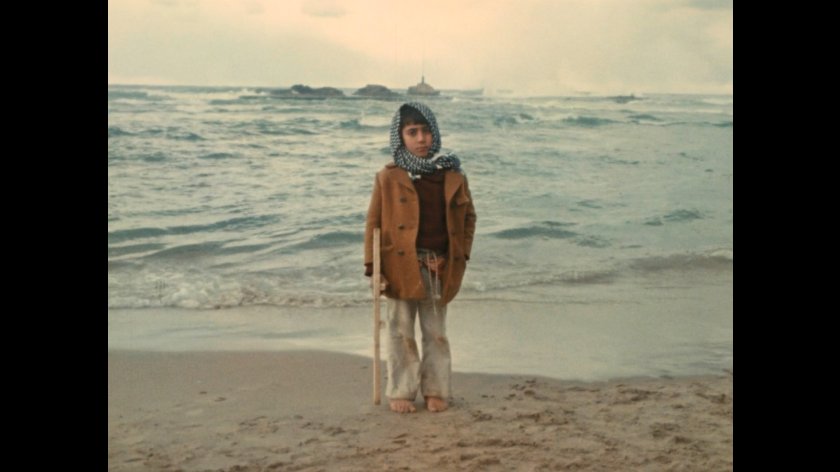
Jocelyne Saab begann nach ihrem Studium an der Pariser Sorbonne für das französische Fernsehen zu arbeiten und wurde Kriegsberichterstatterin. Aus ihrem Werk ist abzulesen, dass sie aus dem Journalistischen heraus eine künstlerische Handschrift entwickelte, die das Weltgeschehen mitdenkt, während die Kamera auf das Individuum, das Leben an sich blickt. Kurz nach dem sogenannten Massaker von Karantina, dem 1976 in der Frühphase des Libanon-Krieges die Zivilgesellschaft in einem Armenviertel in Beirut zum Opfer fällt, filmt Saab die überlebenden, im Stich gelassenen Kinder am Strand. Konterkariert mit realen Kriegsbildern verarbeiten diese ENFANTS DE LA GUERRE ihre grauenvollen Erfahrungen im Spiel: Aus dem Holz von Strandstühlen und Badehütten haben sie sich Gewehre, Granatwerfer, Pistolen gemacht. Saab dreht den Ton ab, lässt die Bilder der kämpfenden Kinder in Zeitlupe ablaufen, später gibt sie ihnen Papier und Stifte. Was zeichnen sie? Todschlag.
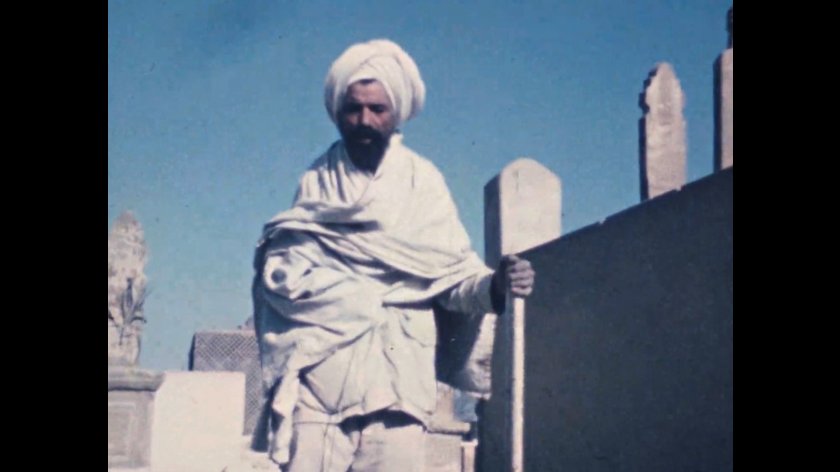
ÉGYPTE, LA CITÉ DES MORTS wiederum ist das Werk einer Künstlerin, die, während ihre Heimatstadt Beirut im Krieg versinkt, ein beinahe ins Groteske reichendes Ventil benötigt: Gedreht 1977 in der bewohnten Nekropole Kairos, sind die im Film wiederkehrenden Figuren Verrückte und stellt Saab das Leben am Friedhof, in dem Mausoleen den Wohnbedürfnissen angepasst werden, als durchaus beschaulich dar („life at the graveyard is sweet, no hustle, no cars“, so eine junge Frau).
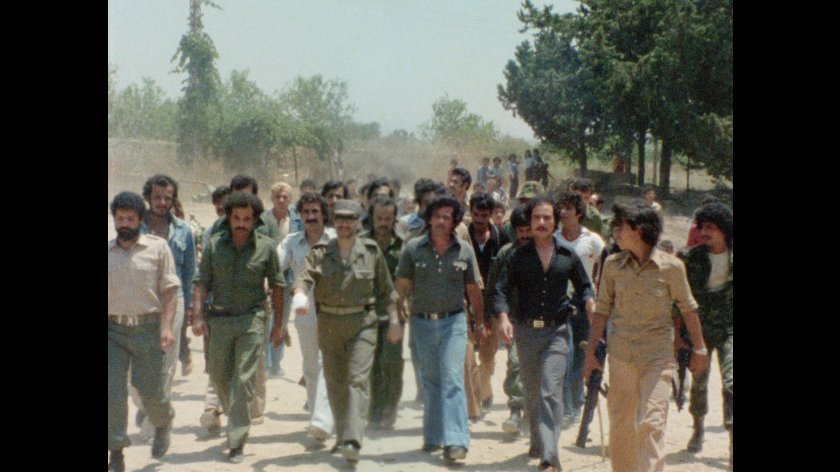
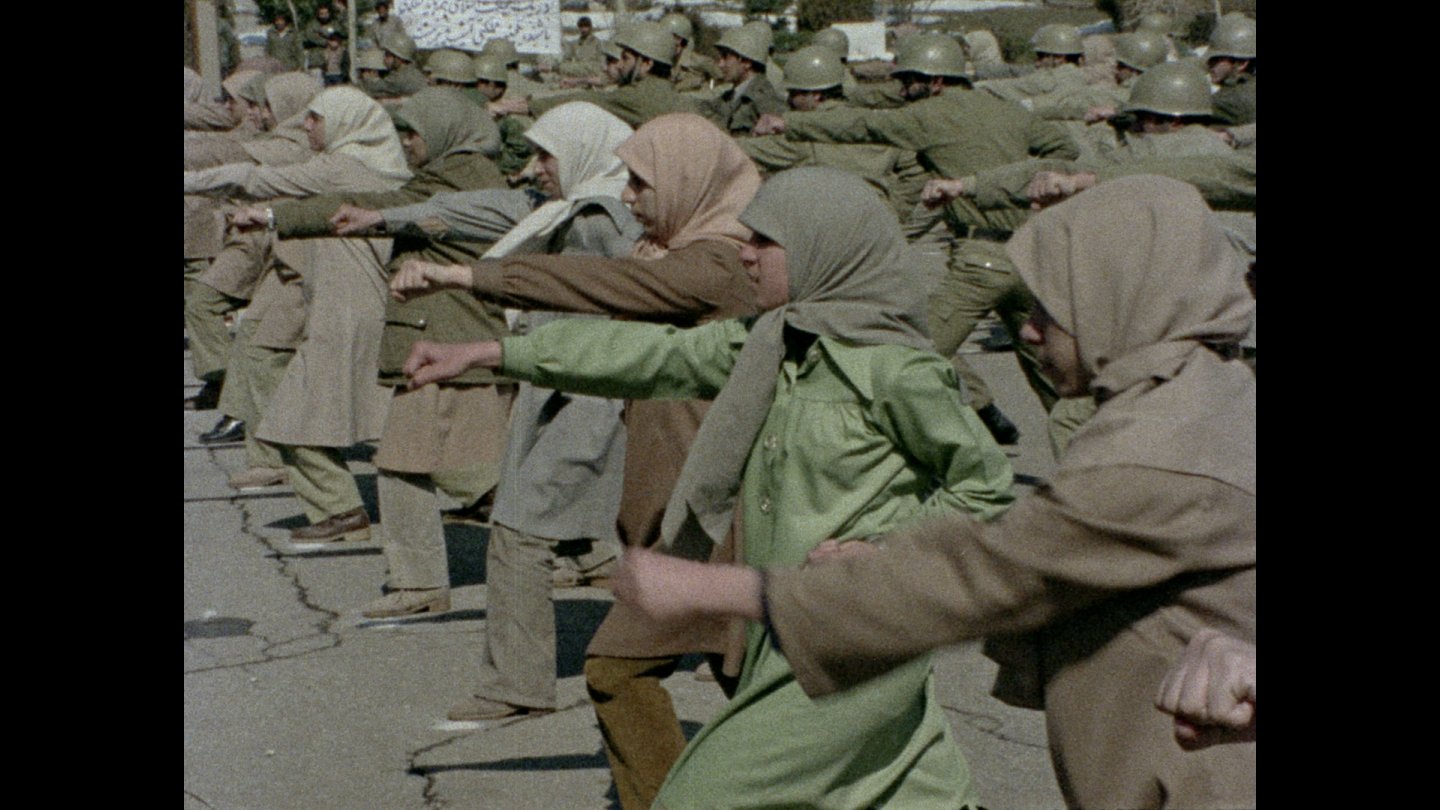
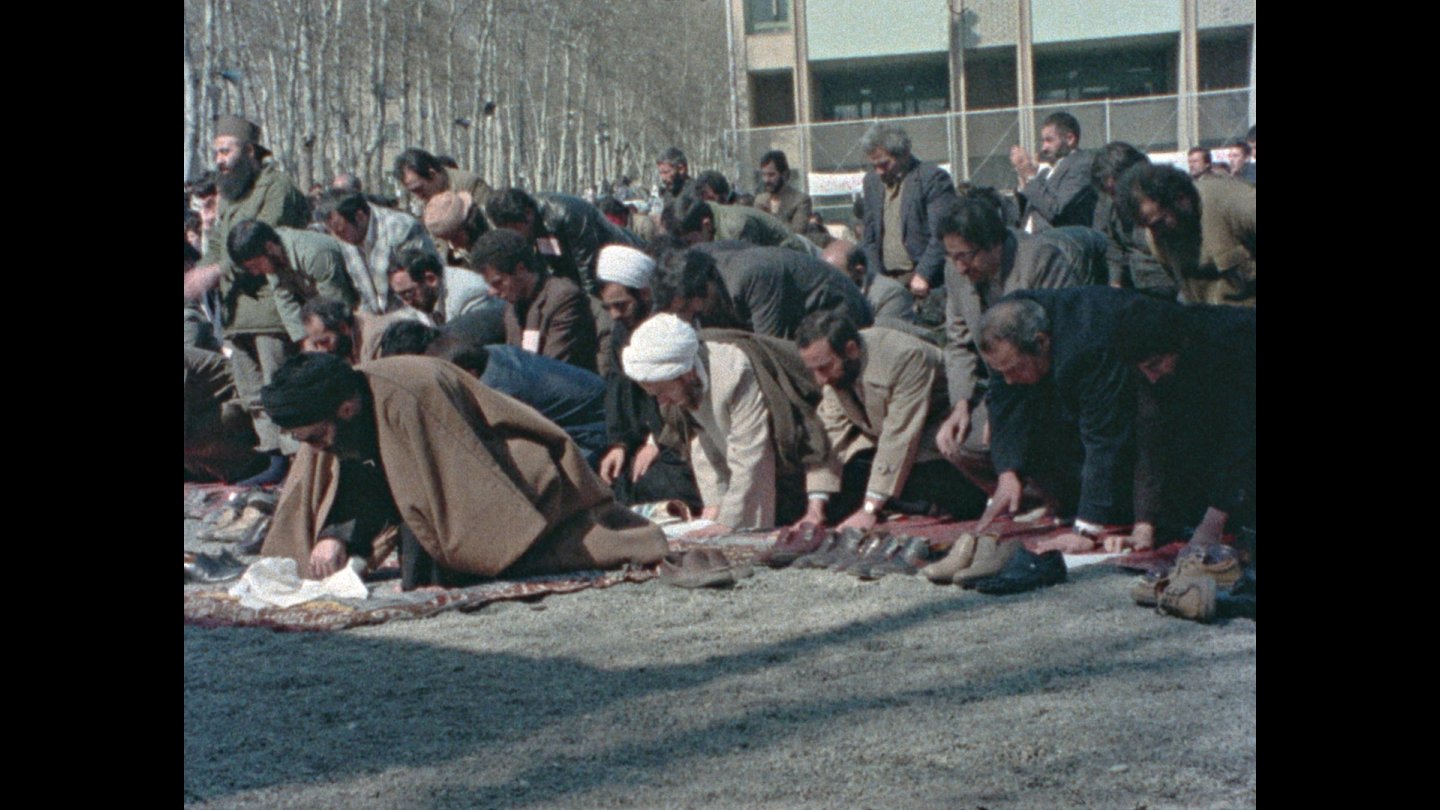
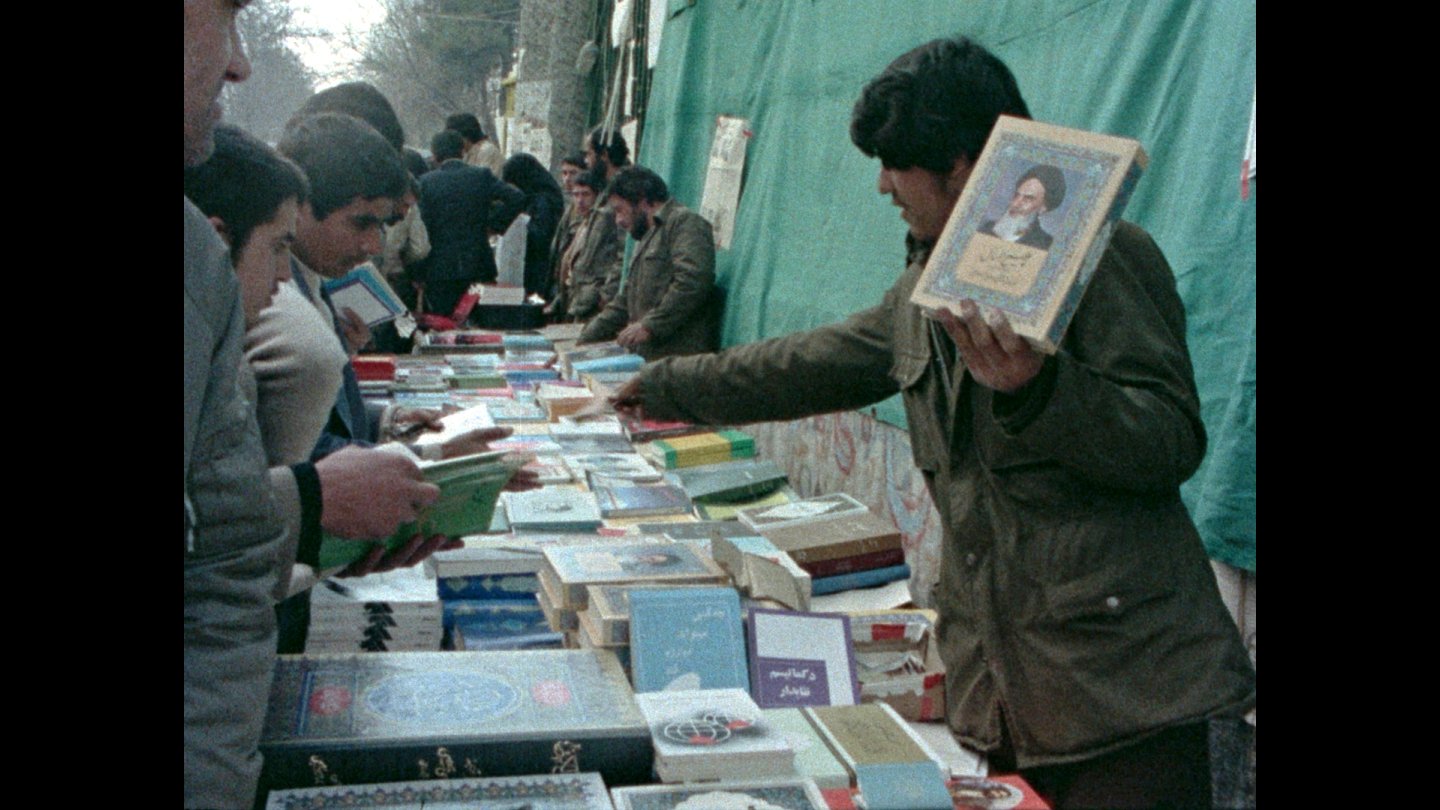
Mit IRAN, L’UTOPIE EN MARCHE tritt am deutlichsten die Fernsehreporterin Saab zum Vorschein. 1980, kurz nach der Revolution, begibt sie sich für eine Momentaufnahme eines Landes, das am Scheideweg steht, in den Iran. Mit eher distanziertem journalistischen Kommentar versehen, richtet Saab ihre Kamera auf Menschenmassen beim öffentlichen Freitagsgebet wie auch auf die Teppichmanufaktur. Sie stellt Frauen vor der Kamera die bis heute virulente Frage nach dem Schleier. Auf einer Metaebene fragt Saab, ob hier Demokratie aufkeimt oder ob alle Macht an Religionsideologen geht. (Anna Katharina Laggner)
In Anwesenheit von Mathilde Rouxel (Jocelyne Saab Association).
Dieser Film läuft im Rahmen des Screenings NO PAST, NO FUTURE.
“Each time I made a film, it was in a given political period; each time I had a political objective.” (Jocelyne Saab)
Shot across a changing Middle East—in Lebanon, Egypt and Iran—these three films are contemporary with Saab’s celebrated Beirut trilogy (1976–1982) and were also made for, and broadcast by, French television. Saab started out as a journalist who believed in her role of bearing witness, but by the time she made LES ENFANTS DE LA GUERRE, she was no longer interested in simply explaining the war in Lebanon to a Western audience. Perhaps the most literal and didactic film in the programme, but also the most devastating, LES ENFANTS DE LA GUERRE is a work of clear intent: to denounce war and violence. By looking at children so obsessed with death that it is all they can play, the horror of war becomes watchable but no less horrific. In ÉGYPTE, LA CITÉ DES MORTS, Cairo’s biggest cemetery, where the living are forced to live alongside the dead because of housing shortages, becomes a metaphor for the whole of Egypt at the time of Sadat’s liberalisation policies (“infitah”), which resulted in the impoverishment of Egyptian people, stalling the country’s progress and further polarising society. Saab often draws contrasts—between those who have cars and those who wait for the bus, between Western-style buffets and Egyptian street food: stasis vs movement, tradition vs modernity, death vs life, religion vs philosophy, silence vs noise. And yet her films don’t advocate for an “either or,” but rather weave nuanced, multifaceted portraits of complex geopolitical situations, such as the aftermath of the revolution in IRAN, L’UTOPIE EN MARCHE. As we now know, the title’s utopia is doomed, but gestures of resistance, hope and revolution are still contained in the faces staring back at the camera. Faces and people were always central to Saab’s work: “My films were expected to be spectacular, but I reported on the lives of people and places, bringing out my culture and sensibility through the images. My sensibility is a medium; I work in order to express myself.” (María Palacios Cruz)
- Jocelyne Saab
- Rafic Boustani
- Jocelyne Saab
- Olivier Guéneau
- Imad Hammoudi
- Philippe Gosselet