Beyrouth, jamais plus
Beirut, Never Again
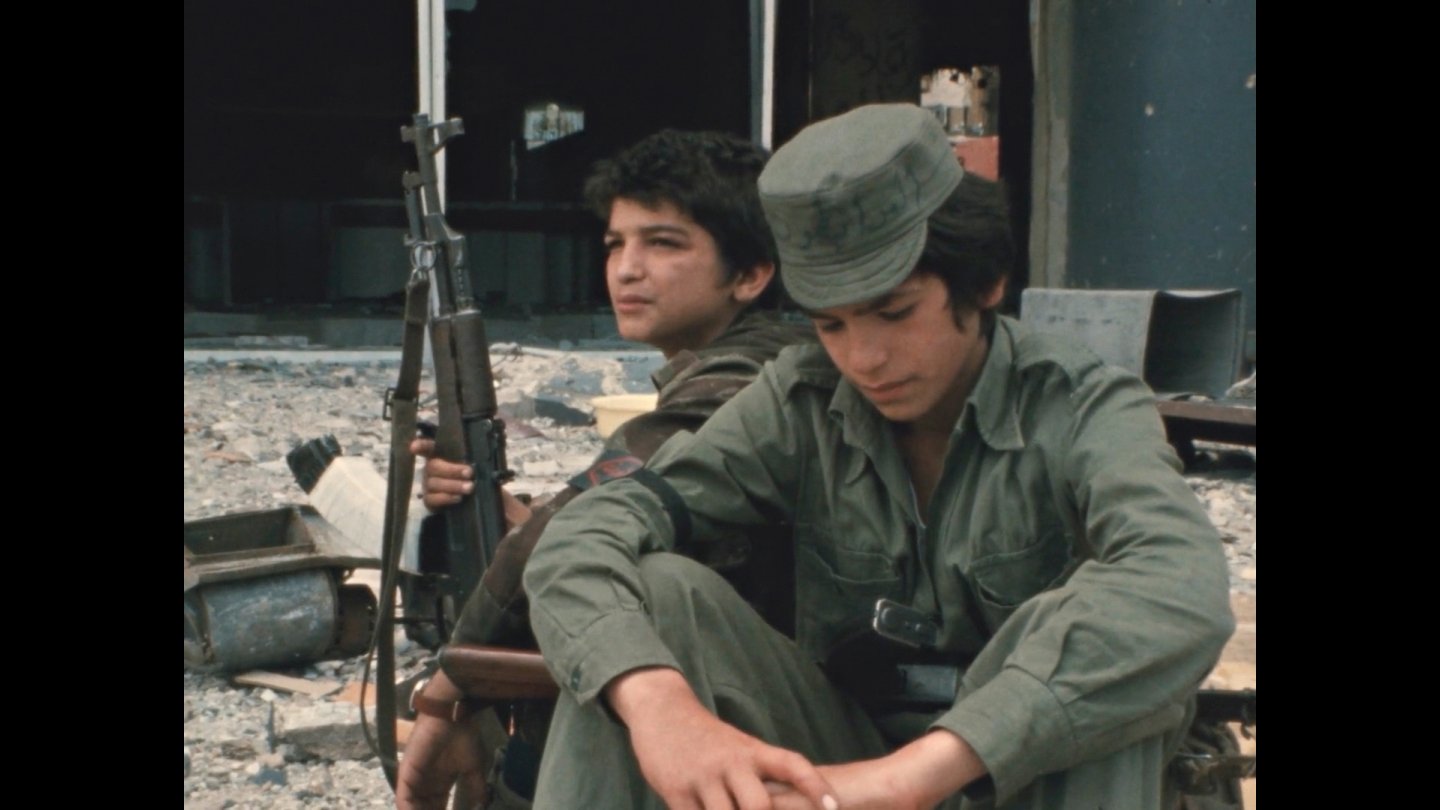
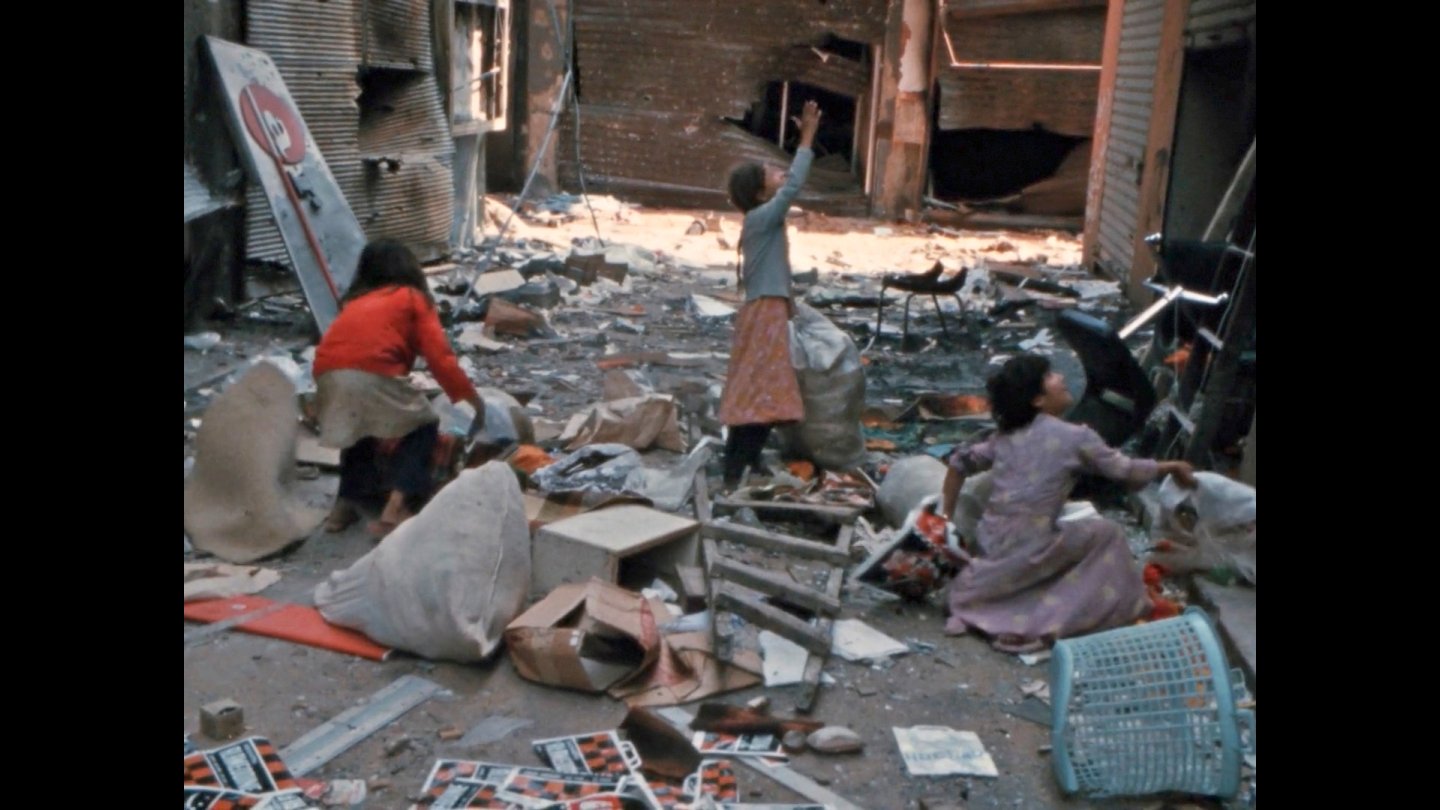
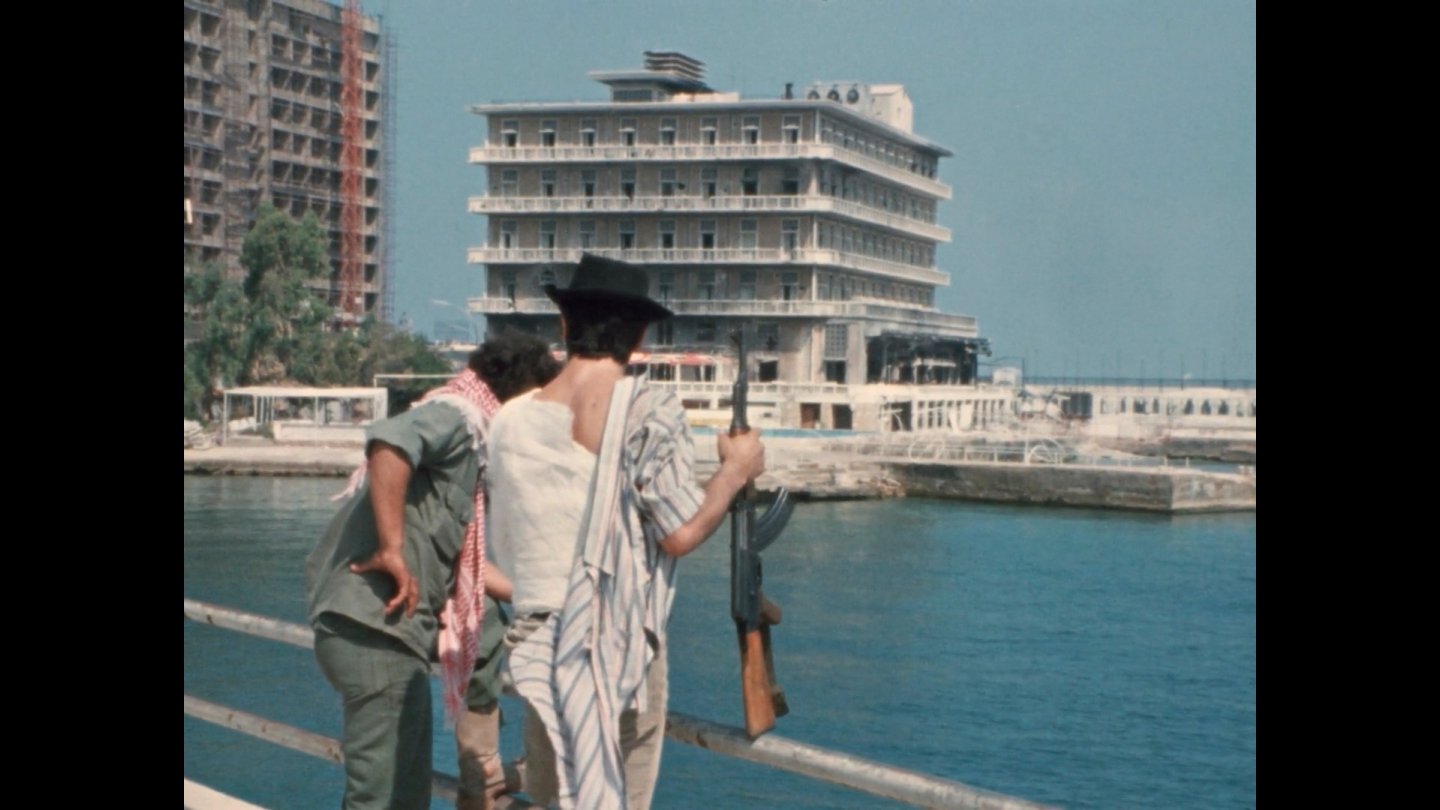
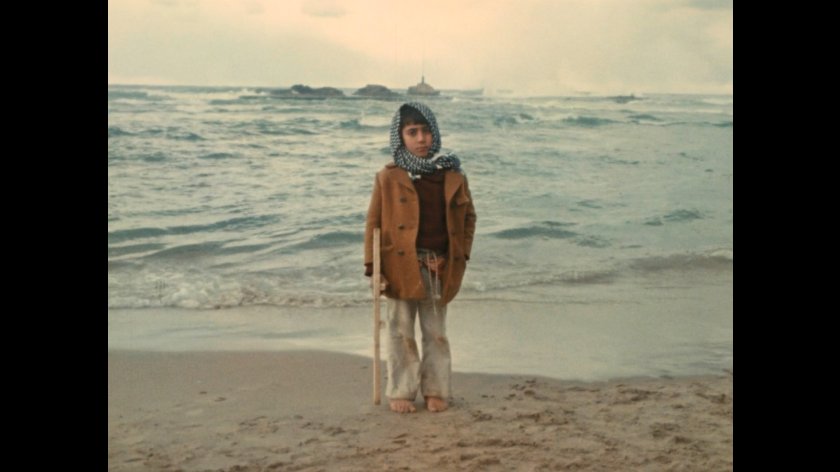
1976, im ersten Jahr nach Ausbruch des Libanonkrieges, der bis 1990 dauern sollte, dreht Jocelyne Saab BEYROUTH, JAMAIS PLUS, in dem Kinder, die in den Ruinen der einstigen Luxusboutiquen und Bankgebäude plündernd unterwegs sind, einen Schein spielerischer Leichtigkeit verbreiten. Doch die bewaffneten Buben an den Sandsack-Barrikaden zeigen, dass hier mehr als nur Mauern zerstört werden.
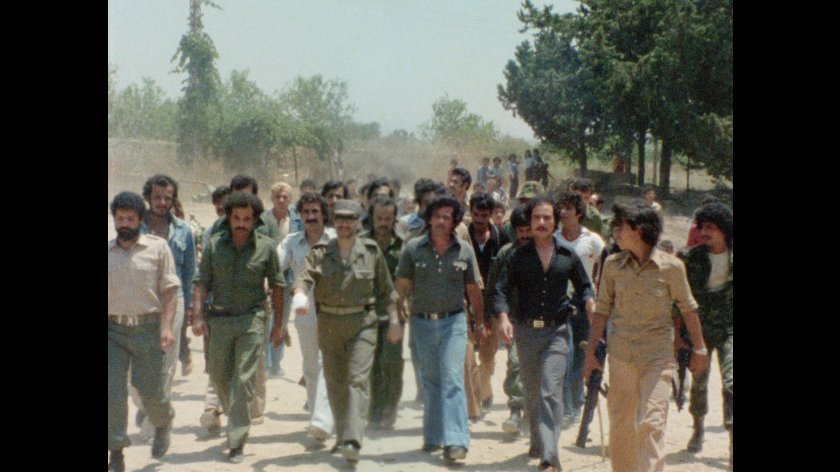
LETTRE DE BEYROUTH (1978) ist der formal gewagteste Film der Beirut-Trilogie: Adressiert an einen fiktiven Freund im Exil ist dieser von Saab und der Künstlerin Etel Adnan geschriebene Brief der poetisch-philosophische Versuch, über einen Alltag im Bürgerkrieg zu erzählen. Wobei schnell klar ist, dass täglich wiederkehrende Tätigkeiten („I might go to the beach for an hour“) der latenten Lebensbedrohung kaum standhalten. Die Texte aus dem Off liegen über Reportage-Elementen (Kontrollposten, Panzer, Stacheldraht), die Jocelyne Saab mit Szenen in einem öffentlichen Bus vermischt. In diesem Bus bekommt der simple Fahrscheinkauf (beziehungsweise aufgrund der Armut oftmals Nichtkauf) in Anbetracht der Sniper in der Stadt eine bittere, fast humoristische Note.
„Wann hat das alles begonnen?“, fragt eine männliche Stimme in BEYROUTH, MA VILLE (1982), in dessen erster Szene Jocelyne Saab in den verbrannten Resten ihres Familienhauses steht. Es seien nur Mauern, sagt sie, aber dennoch: 150 Jahre Identität in Trümmern: „Wir wissen nicht mehr, wer wir sind.“ BEYROUTH, MA VILLE ist der letzte Teil dieser Trilogie, für die Saab von Paris aus ihre Geburtsstadt besucht, um die Kluft zwischen der Verwüstung vor ihren Augen und der Erinnerung an die gelebte Utopie einer diversen Gesellschaft, eines, wie es da heißt, „arabischen Traumes“, zu begreifen. Im letzten Teil der Trilogie beherrscht das herzzerreißende Leiden der Überlebenden, vor allem Alte und Kinder, die Bilder. Der Off-Text, geschrieben und gesprochen vom Theaterautor Roger Assaf, ist auf ein Minimum reduziert: Es gibt nicht mehr viel zu sagen. (Anna Katharina Laggner)
In Anwesenheit von Mathilde Rouxel (Jocelyne Saab Association).
Dieser Film läuft im Rahmen des Screenings THE BEIRUT TRILOGY.
From the ruins of downtown Beirut to the destroyed villages of South Lebanon, the images filmed by Jocelyne Saab between 1976 and 1982 trace a geography of destruction that seems to belong to our present. Israeli invasions, occupation, bombardments, exodus: disasters run through History and never cease to occur. Yet by documenting what escapes the mere narrative of events, the Lebanese filmmaker composes a parallel geography of resistance, bringing forth what persists through the poetic force of images and words. The “Beirut Trilogy” thus captures the fragility of things and beings in wartime, the filmmaker’s body becoming a point of passage between these devastated spaces, and the camera a means of moving through them and reconnecting what war tears apart. This journey is shaped by the dialogue her images establish with the words of poet and artist Etel Adnan.
In BEYROUTH, JAMAIS PLUS, Saab films the city centre, which has become a ghost town within a matter of months. Adnan’s poem singularly captures the bewilderment at the ruins and its effects on memory: mornings are now “without memories.” Deserted streets, stray cats, dismembered mannequins: words no longer seem able to name things. Two years later, the filmmaker writes a LETTRE DE BEYROUTH in a café “outside time,” evoking the inhabitants of a city “who continue to call this war ‘events,’ because memory no longer functions.” Strangest of all is hearing these young Beirutis speak of postwar life and peacetime in 1979, in a reversal of temporalities that runs through all three films and leaves today’s viewer with a sense of vertigo. In BEYROUTH, MA VILLE, the Israeli army lays siege to the capital. Within this enclosed space, what remains visible collides with what has disappeared. The words of playwright Roger Assaf accompany a destruction that is now intimate: Saab’s family home lies in ruins, taking with it one hundred and fifty years of history. Nearly half a century later, the sense of dread lies precisely here: these images do not belong to History, but once again compose the landscapes of Lebanon. (Ghada Sayegh)
- Jocelyne Saab
- Jörg Stocklin
- Jocelyne Saab
- Hassan Naamani
- Philippe Gosselet
- Siegfried Kessler