Car la lune
For The Moon
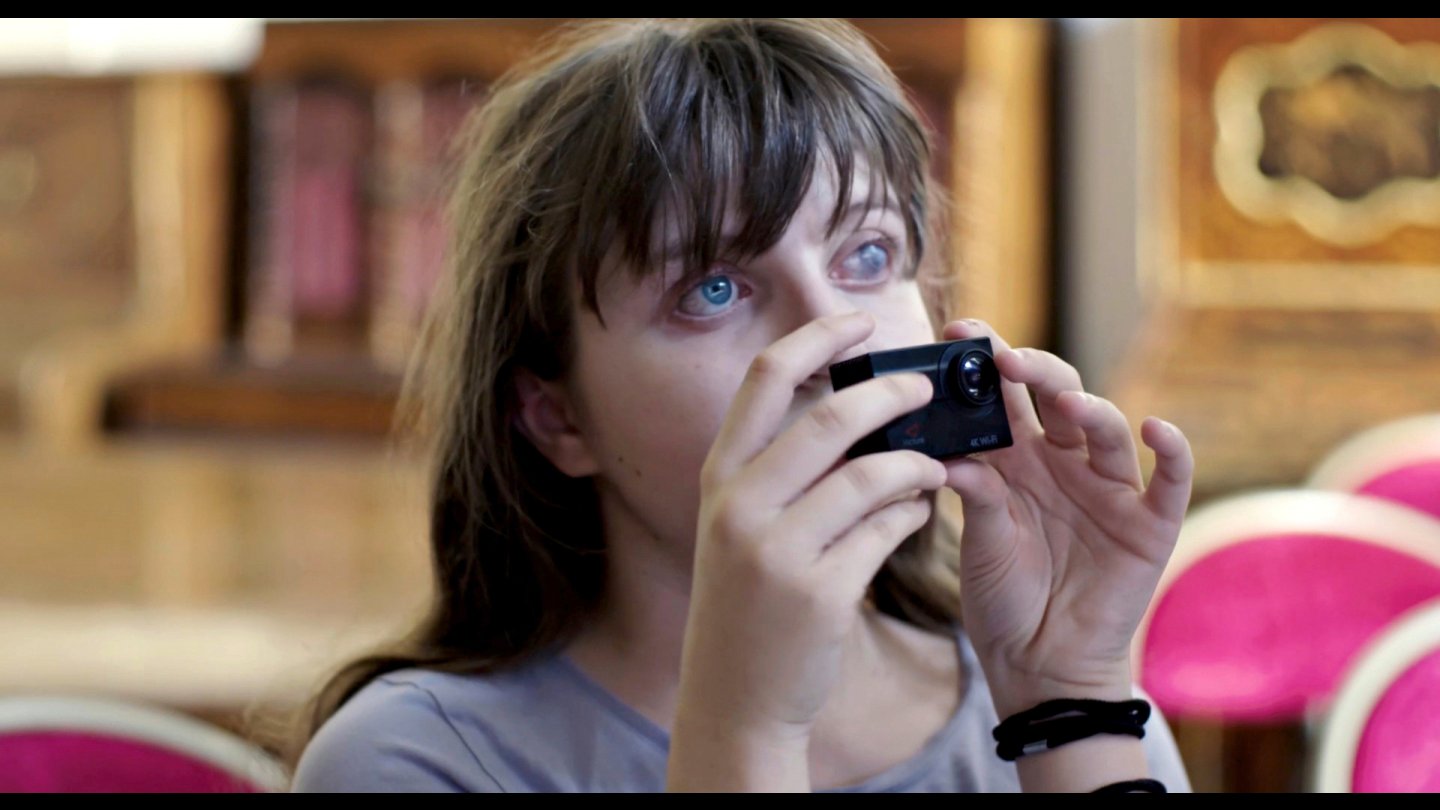
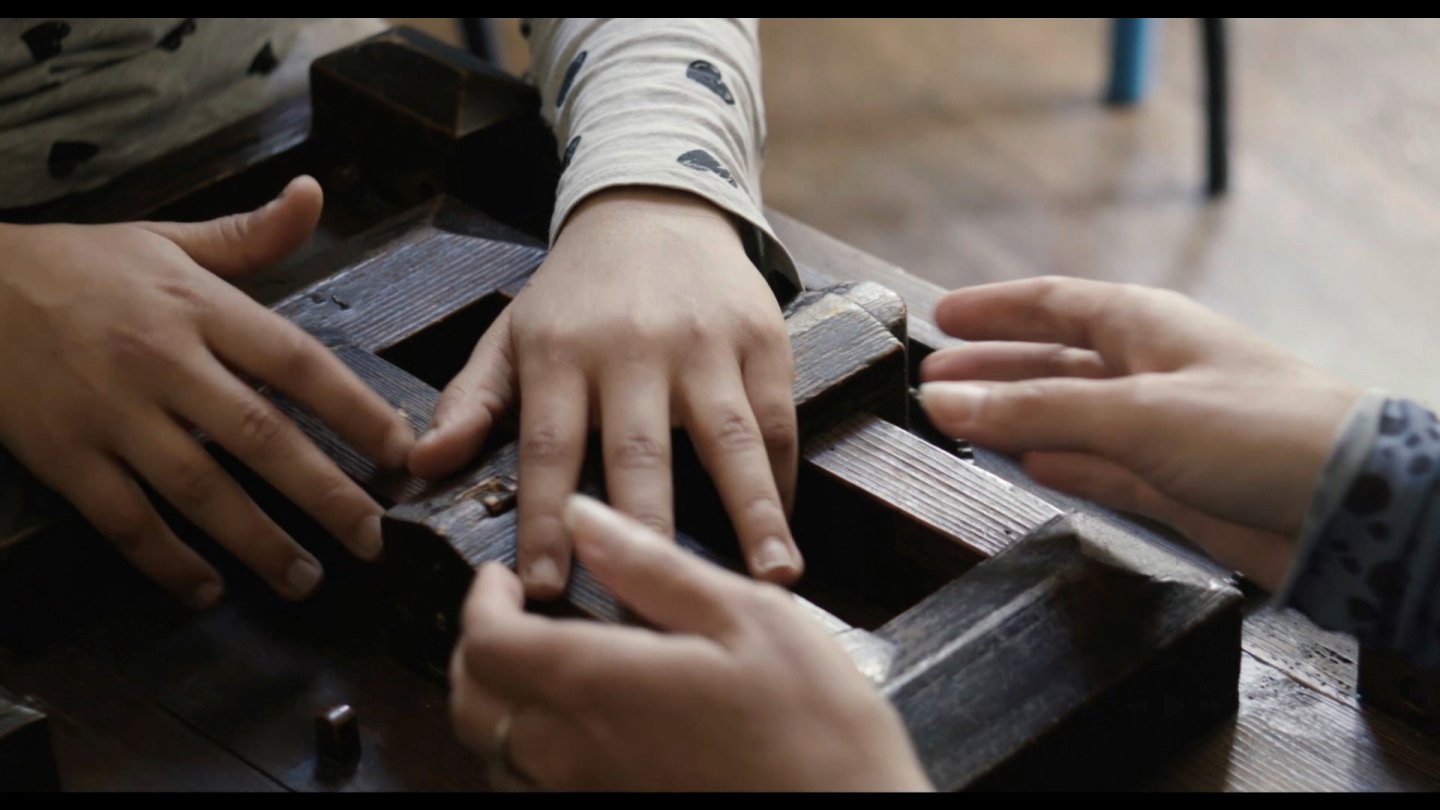
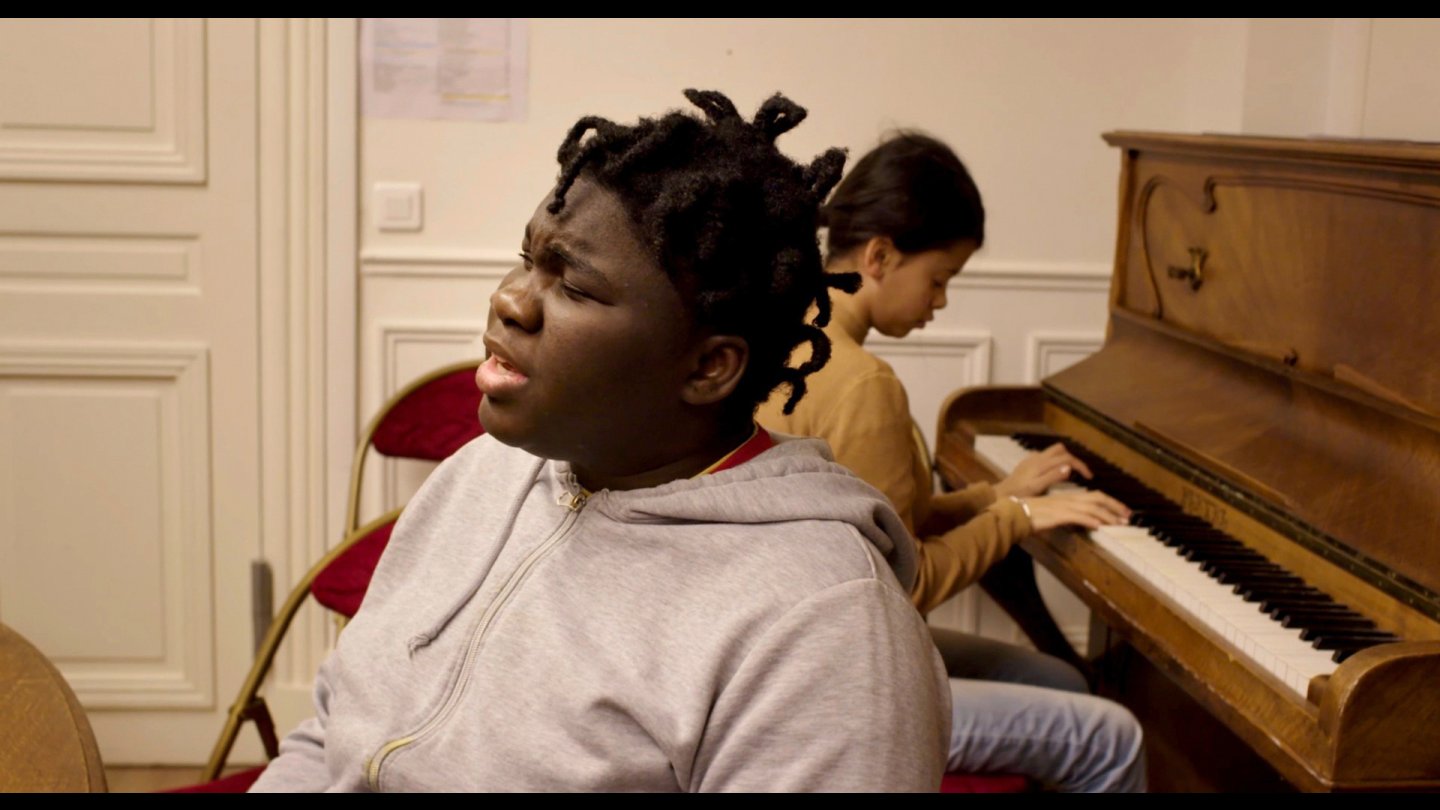
Baudelaire hat keine umfassende Innenansicht des nach Louis Braille benannten Instituts für junge Blinde im Sinn. Zwar schildert er den Alltag in heiteren Anekdoten des Gelingens, aber schon nach wenigen Minuten überlassen die Lehrerinnen ihren Schülerinnen den Platz. Klug geben diese Auskunft über sich, ihre Geschichten und furchtlosen Träume. Vor allem (und sehr professionell) drücken sie sich in der Musik aus. Schon findet eine weitere Ermächtigung statt, als Kamerafrau Claire Mathon die Stafette an die Protagonistinnen weiterreicht. Nun filmen sie ihr Leben und offenbaren zugleich, mit welch großer Empathie sie die Welt der Sehenden begreifen. (Gerhard Midding)
In Anwesenheit von Éric Baudelaire.
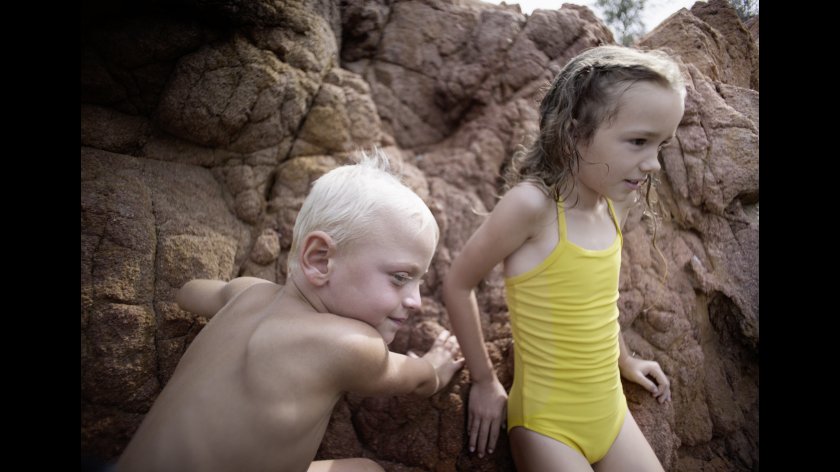
Founded in 1785, Paris’s National Institute for Blind Youth was the world’s first school for the visually impaired. Today, it enrols students from all over France, with some of them also living on-site. In CAR LA LUNE, Éric Baudelaire reprises strategies from his 2019 middle-school documentary UN FILM DRAMATIQUE, working with the Institute’s adolescent students over a sustained period of time with a double aim: to depict something of their everyday ways of being in the world and to encourage them to produce their own image and sound recordings. Collaboration and collective life are at the heart of the resulting group portrait, one filled with music, friendship and learning, in which stories of the loss of sight and declarations of love for fairground rides sit side-by-side. Baudelaire has stated his interest in the same intractable question to which Roland Barthes devoted his 1976–77 Collège de France seminar: how to live together? CAR LA LUNE shows us how this happens inside a community with needs to which much of the world is not adapted, while also probing what filmmaking might mean for young people whose sensory disposition is not organised around the primacy of vision. (Erika Balsom)
Éric Baudelaire: SUGAR WATER (2007), [SIC] (2009, K), THE MAKES (2010, K), THE ANABASIS OF MAY AND FUSAKO SHIGENOBU, MASAO ADACHI AND 27 YEARS WITHOUT IMAGES (2011), THE UGLY ONE (2013), LETTERS TO MAX (2014), ALSO KNOWN AS JIHADI (2017), WALKED THE WAY HOME (2018, K), UN FILM DRAMATIQUE (2019), THE GLOVE (2020, K), A FLOWER IN THE MOUTH (2022), WHEN THERE IS NO MORE MUSIC TO WRITE, AND OTHER ROMAN STORIES (2022)
- Mèï Jendoubi
- Jade Ebara Ossebi
- Iris Fontanella
- Crystal Lau Chang
- Kadiatou Diakite
- Claire Mathon
- Éric Lesachet
- Claire Atherton
Poulet-Malassis Films