La Chute de la Maison Usher
The Fall of the House of Usher


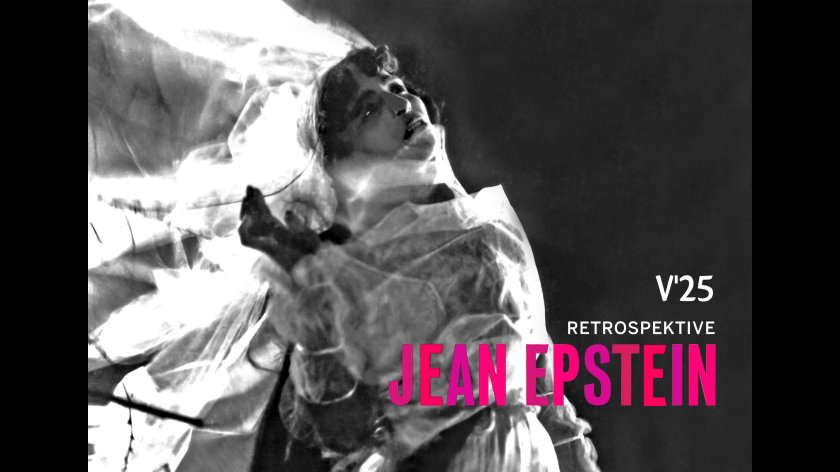
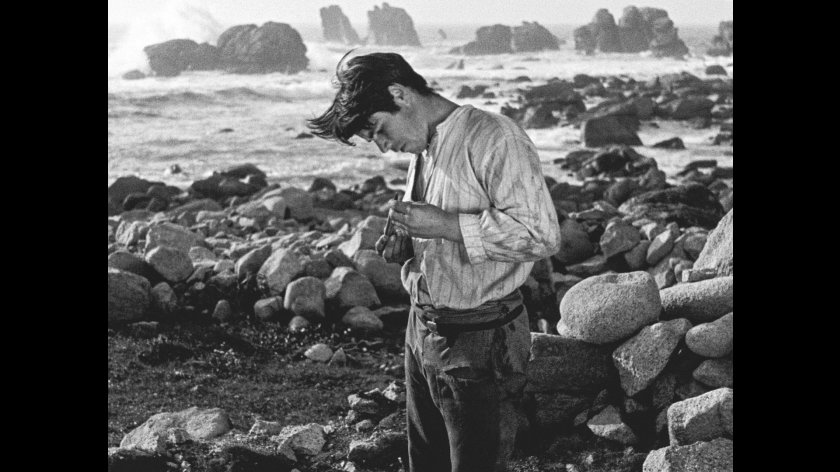
Luminary of dark romanticism, Edgar Allan Poe has been one of the most obliging providers of material for cinema. Yet he only seldom found suitably congenial partners in the process. One of the major exceptions here was Jean Epstein, a luminary himself of French film history. Epstein’s most famous work, LA CHUTE DE LA MAISON USHER adapts two Poe short stories: a visitor sees how Roderick Usher obsessively paints a picture of his wife, who grows fainter and fainter in the process. The film creates an overwhelmingly otherworldly atmosphere by mobilizing an entire technical arsenal of ideas: constant motion, camera tricks, multiple exposures, slow motion—at its highpoint, it seems as if time itself has come to a halt. Epstein described his cinematic approach to filming the uncanny emotional magic of Poe’s work: “When Madeleine and Roderick feel death approaching in the The Fall of the House of Usher, it’s similar to the feeling that we have when death takes possession of us. So Roderick listens for sounds from the coffin like we listen at the door of the room to hear if a tired nocturnal ghost will perhaps awaken.” (Christoph Huber)
With live music by drank (Ingrid Schmoliner & Alexander Kranabetter) on 17.10. and by Elaine Brennan on 29.10.
All retrospective films that will be shown at the Filmmuseum after the Viennale - from 29.10. - can of course also be reserved as usual at filmmuseum.at or by calling 01/533 70 54 and purchased at the box office of the Austrian Film Museum. The prices of the Austrian Film Museum apply.
- Jean Debucourt
- Marguerite Gance
- Charles Lamy
- Luc Dartagnan
- Fournez-Goffard
- Jean Epstein, based on the short stories The Oval Portrait and The Fall of the House of Usher by Edgar Allan Poe
- Georges Lucas
- Jean Lucas