Wolhaui gongdongmyoji
Public Cemetery Under the Moon
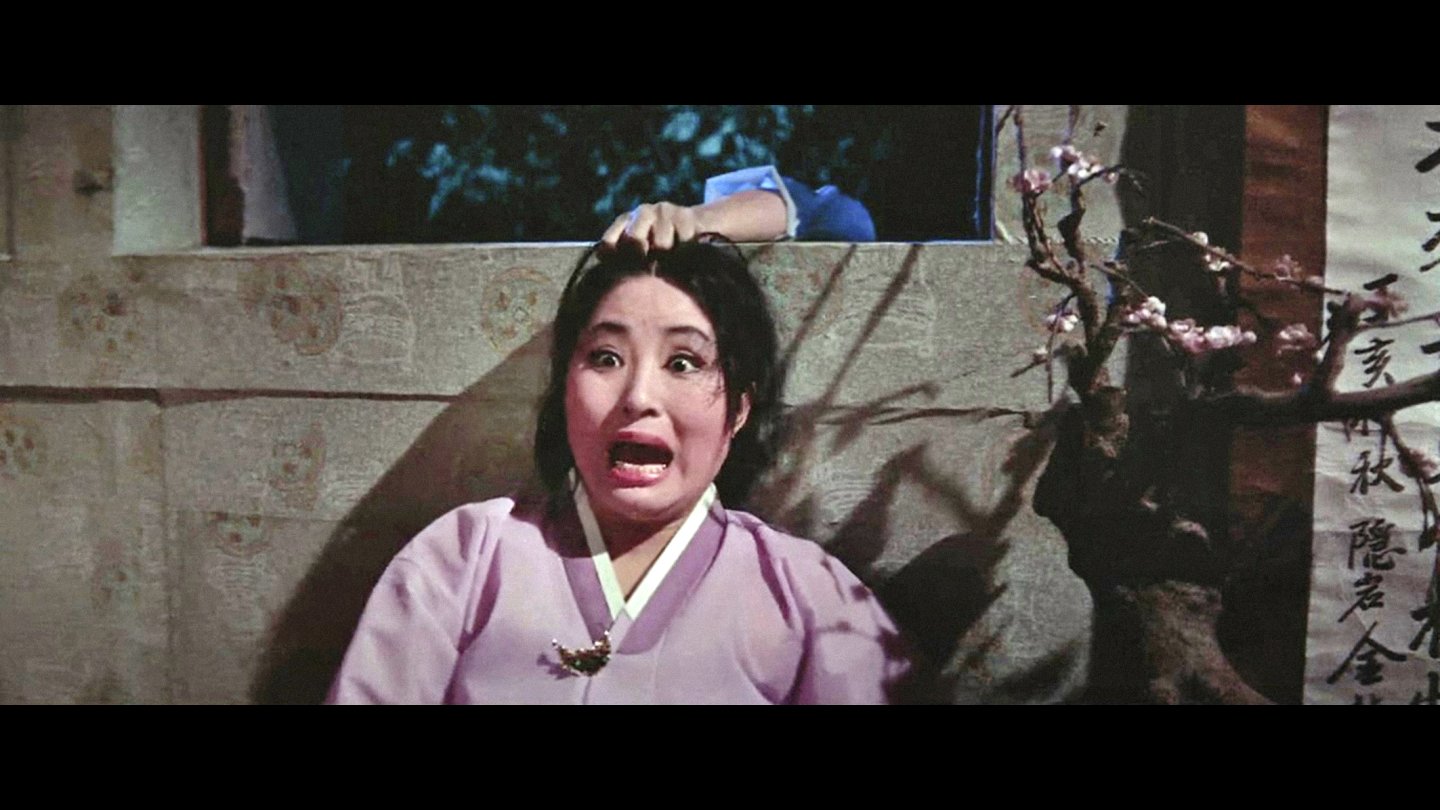
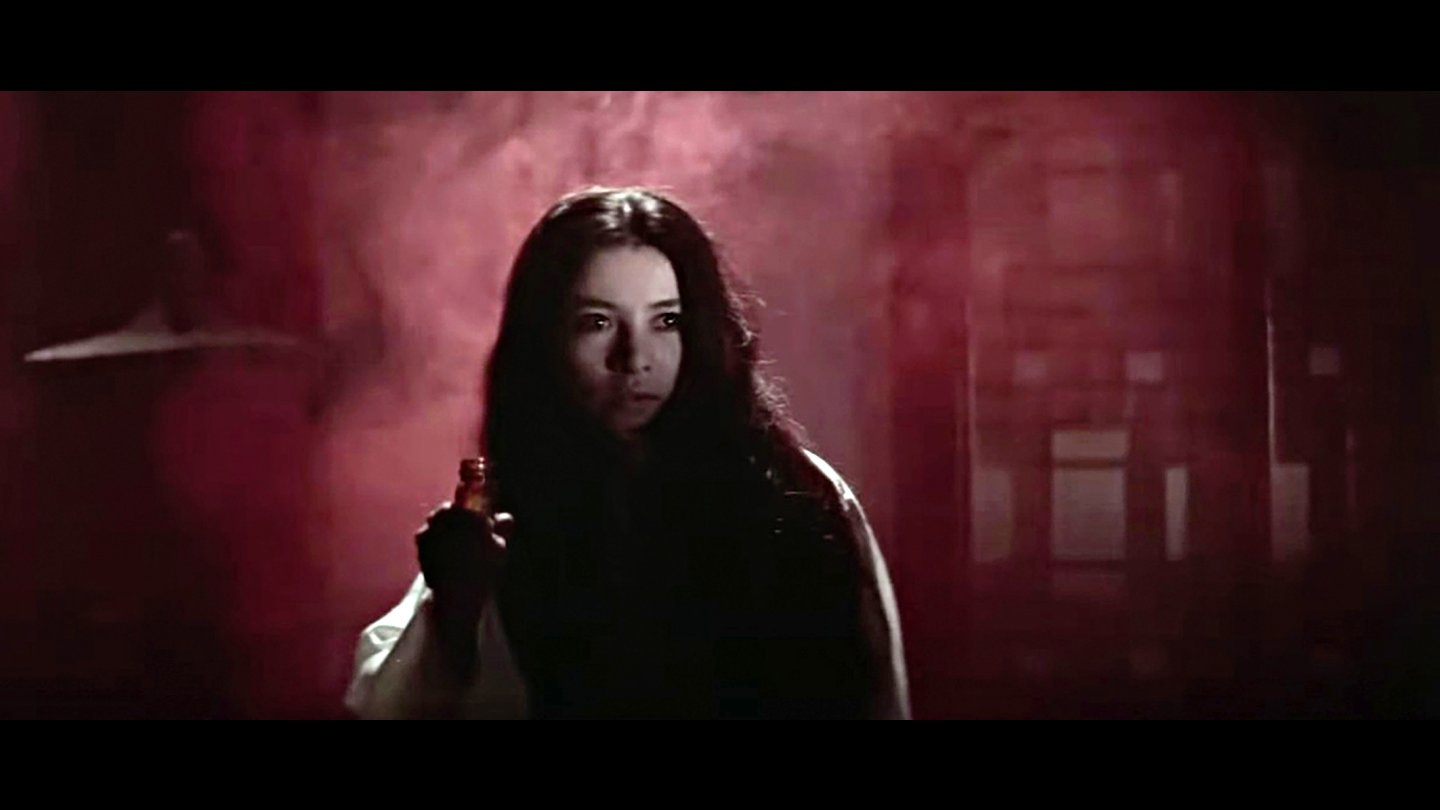
Das erwartbare Personal dieses unterhaltsamen Grusel-B-Movies: die tugendhafte Frau, der fehlbare, grundgute Ehemann, der aufrechte Freund, das unschuldige Kind, die ur-bösen, gierigen Intriganten. Am Ende haben Ehemann und Kind diverse Mordanschläge überlebt; dazu ein beachtliches Aufgebot an fliegenden Laternen, Schädeln und blutigen Gespenstern zu wabernden Elektrosounds. Bemerkenswert ist die historische Verortung: Es sind Angehörige der japanischen Polizei, die die beiden Protagonisten verhaften und foltern. Zwei Jahre nach Wiederaufnahme der Beziehungen Südkoreas zu Japan bleibt auch in diesem harmlosen Gespensterdrama das Trauma der Besatzung präsent. (Barbara Kronsfoth)
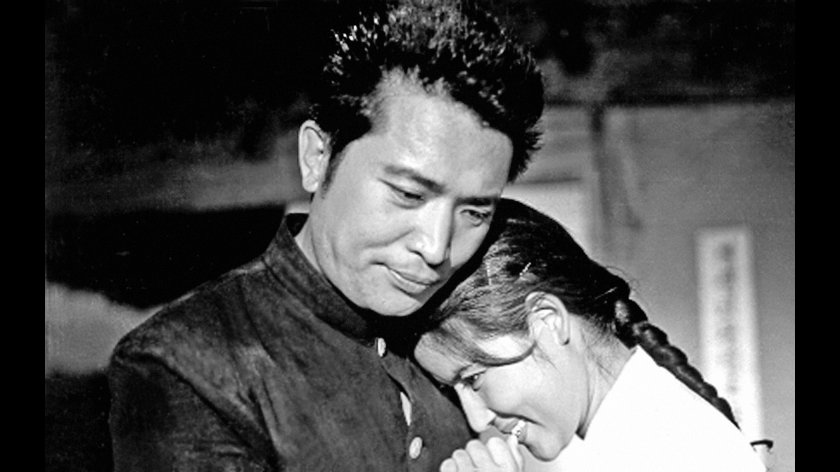
The use of sinpa, the overly-emotional scenes employed both in Korean melodramas and other genres that deal with the plight of women suffering from the strictures of class, has often been ridiculed. By the end of the 1960s, it appeared to be a device in retreat—and a culturally suspicious one to boot, since such scenes had been popular in Japanese imports during colonial times. But as the huge crowds that flocked to see WOLHAUI GONGDONGMYOJI proved, sinpa turned out to be as resilient as zombies, ghosts and scorned housewives. Like many other genre films from the 1960s, this low budget film is a guilty pleasure of sorts and made as part of a series created from a provincial network of production, distribution and exhibition; film investors from Seoul were not involved. It derives its contemporary charm in part from this amateurism, but also from its smart formal idea, which is to emulate the style of the 1930s. To make ends meet, Wol-hyang works as a kisaeng (a Korean geisha), while her brother and her lover Han-su are locked up together in a Japanese colonial prison. When Han-su is released, she marries him. But her evil stepmother and servant Nan-ju are quick to hate the new woman of the house. (Gerwin Tamsma)
Kwon Cheol-hwi: TOO YOUNG TO DIE, TOO DIFFICULT TO LIVE A LIFE (1964), FATHER AND SONS (1969), BEIJING TRAIN (1969)
- Do Kum-bong
- Hwang Hae
- Jeong Ae-ran Jeong
- Kwon Cheol-hwi
- Kim Jae-yeong
- Jang Hyeon-su