Valparaíso mi amor
Valparaiso My Love

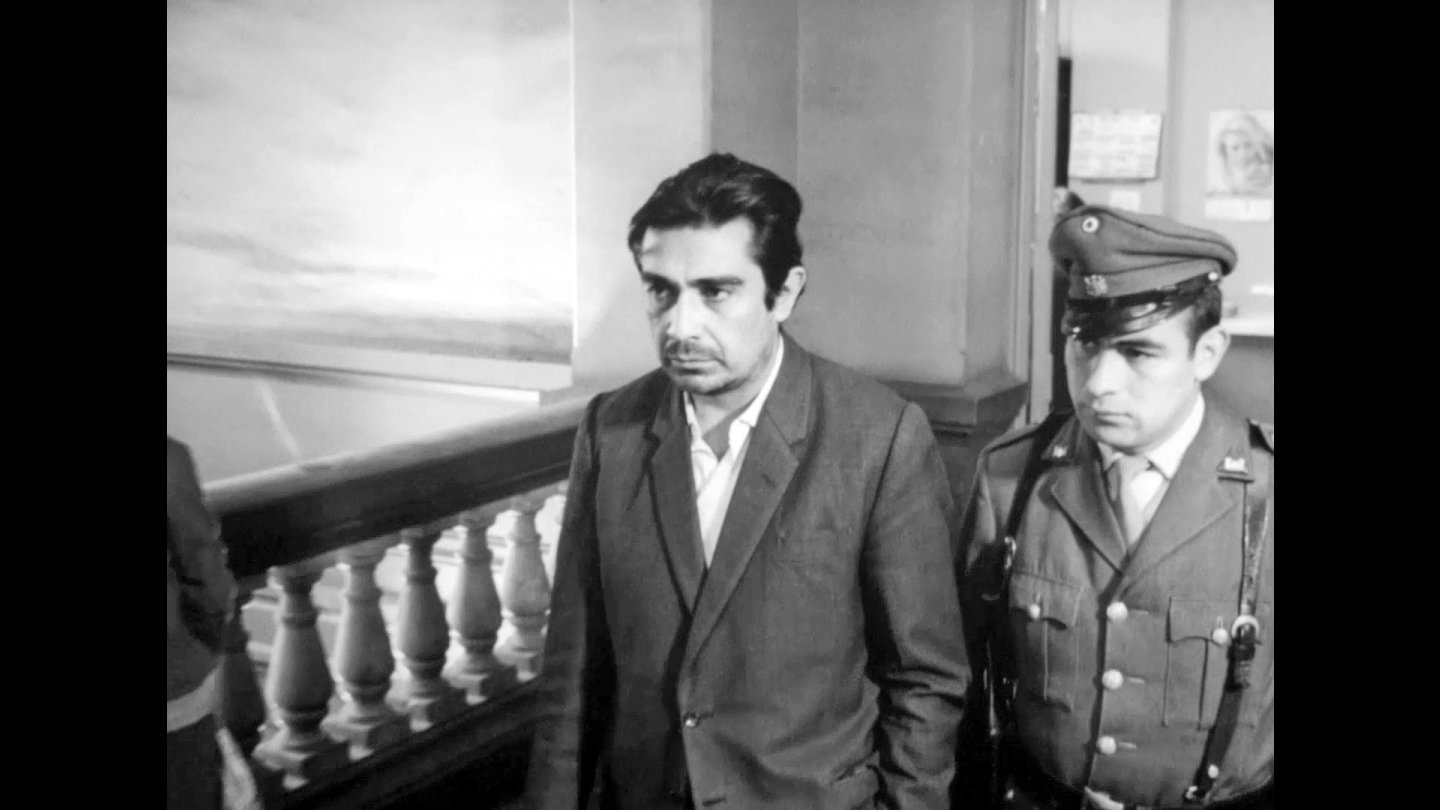

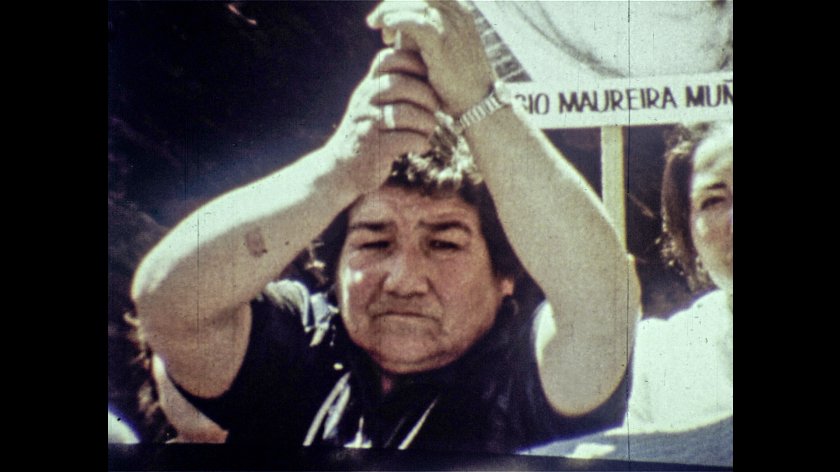
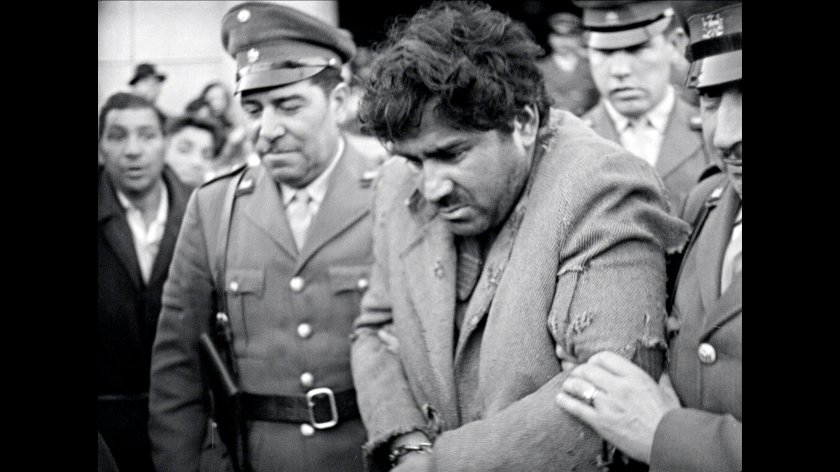
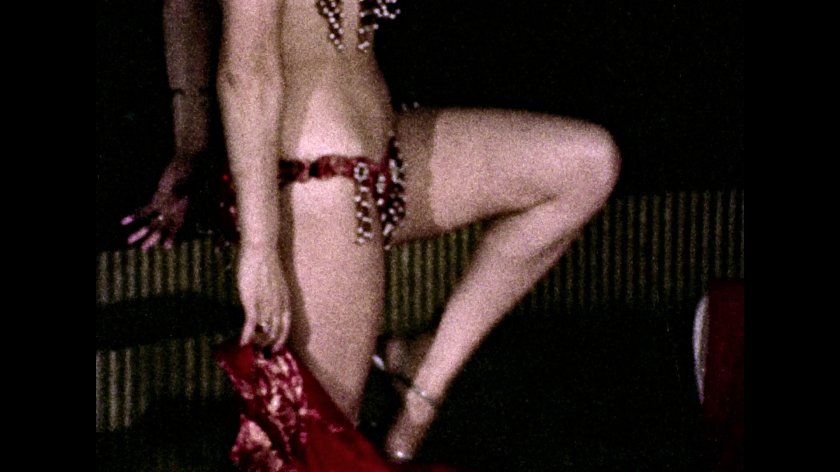
Valparaíso, einst eine bedeutende Hafenstadt am Pazifik, ist im Lauf der Zeit zu einer mit Grafti tätowierten Ruinenlandschaft heruntergekommen. In diesem Milieu urbaner Verwahrlosung situiert Regisseur Francia sein neorealistisches Epos über eine Familie, deren Kinder nach der Verhaftung des Vaters verzweifelt ums Überleben kämpfen – und letztendlich an der Unwirtlichkeit des Asphaltdschungels zerbrechen. VALPARAÍSO MI AMOR ist eine Etüde in Schwarzweiß von großer Dringlichkeit: nervöse Kamerabewegungen, bürokratische Stimmen aus dem Of und enervierendes Schreibmaschinengeklapper verdichten sich zu einem Alptraum der existenziellen Ausweglosigkeit. (Thomas Mießgang)
This foundational work of the New Chilean Cinema established and embodied the movement’s credo of socially engaged realism, with its empathetic adaptation of the true story of an impoverished extended family’s struggles after the father is jailed for stealing cattle. VALPARAÍSO MI AMOR was the debut feature by paediatrician-turned-filmmaker Aldo Francia, who openly channelled the influences of Italian neorealism and the Nouvelle Vague (even citing Resnais in the title) into his chronicle of deprivation, struggle and delinquency, told from the perspective of the family’s four children left to fend for themselves. Deliberately setting out to reveal a diferent Valparaíso from the iconic city’s tourist image, Francia skilfully maps out the topography of the marginalised and dispossessed, tracing the twisting paths from the remote peripheral shanty towns to squalid back alleys, which the film depicts as a negative social force designed to victimise the most vulnerable. Rapturously received by critics at its Cannes premiere, VALPARAÍSO MI AMOR was, together with EL CHACAL DE NAHUELTORO, among the first Chilean films to be widely seen abroad. (Haden Guest)
Aldo Francia: PARÍS EN OTOÑO (1958, K), PACEÑA (1959, K), CARNAVAL (1960, K), VENDIMIA (1961, K), BAJO LOS PUENTES DESDE NOTRE DAME (1961, K), PESCADORES DE DOMINGO (1961, K), EN EL DÍA DE LOS MUERTOS (1961, K), EL BAILE DE LOS CHINOS (1961, K), ANDACOLLO (1961, K), LLUVIA EN EL BARRIO LATINO (1961, K), NIÑOS (1963, K), RAPTO (1963, K), LA ESCALA (1964, K), SOLO (1966, K), YA NO BASTA CON REZAR (1972)
- Hugo Cárcamo
- Sara Astica
- Rigoberto Rojo
- Liliana Cabrera
- Pedro Manuel Álvarez
- Arnaldo Berríos
- Elena Moreno
- Francisco Morales
- Claudia Paz
- Aldo Francia
- José Román
- Diego Bonacina
- Jorge Di Lauro
- Carlos Piaggio