Lernayin Parek
Mountain Patrol
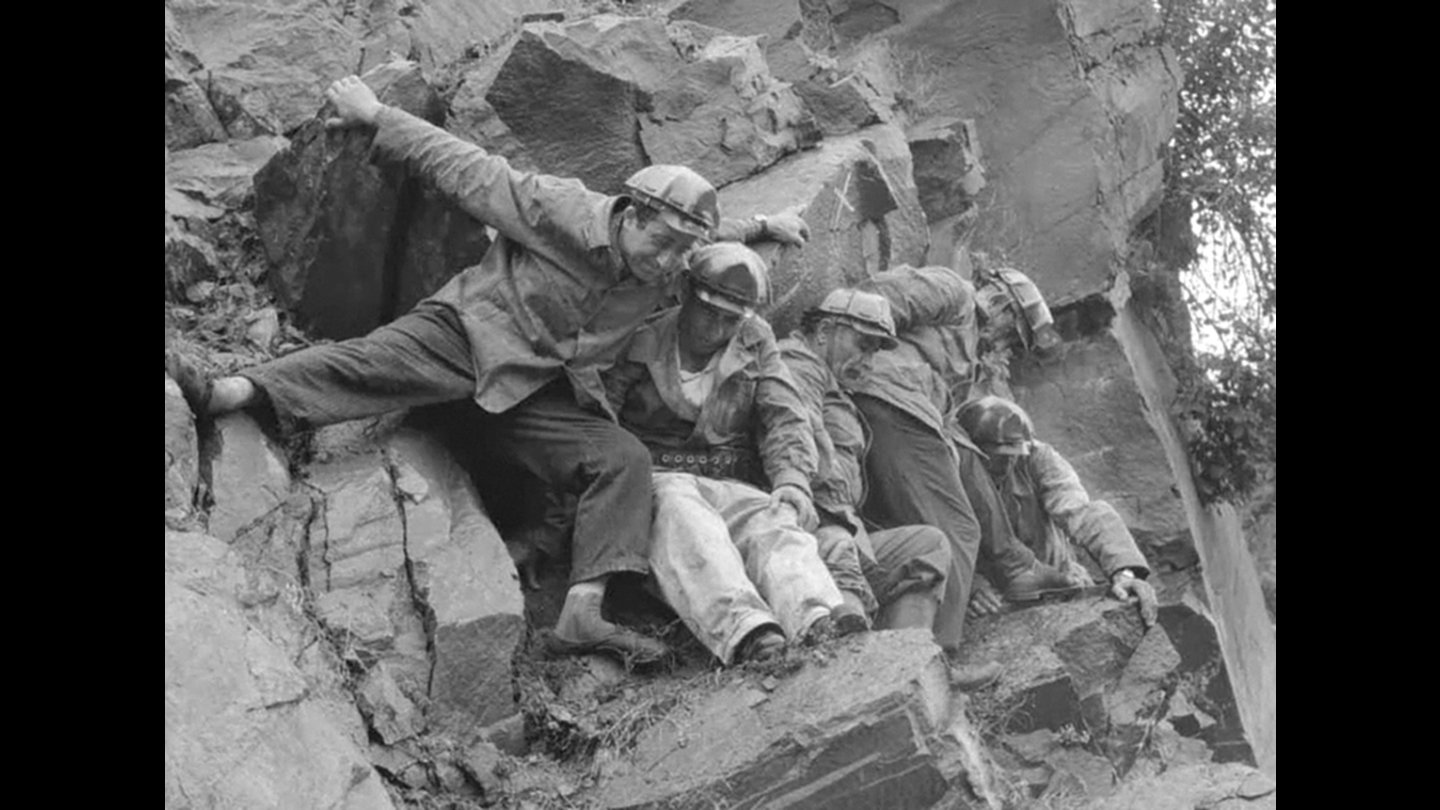
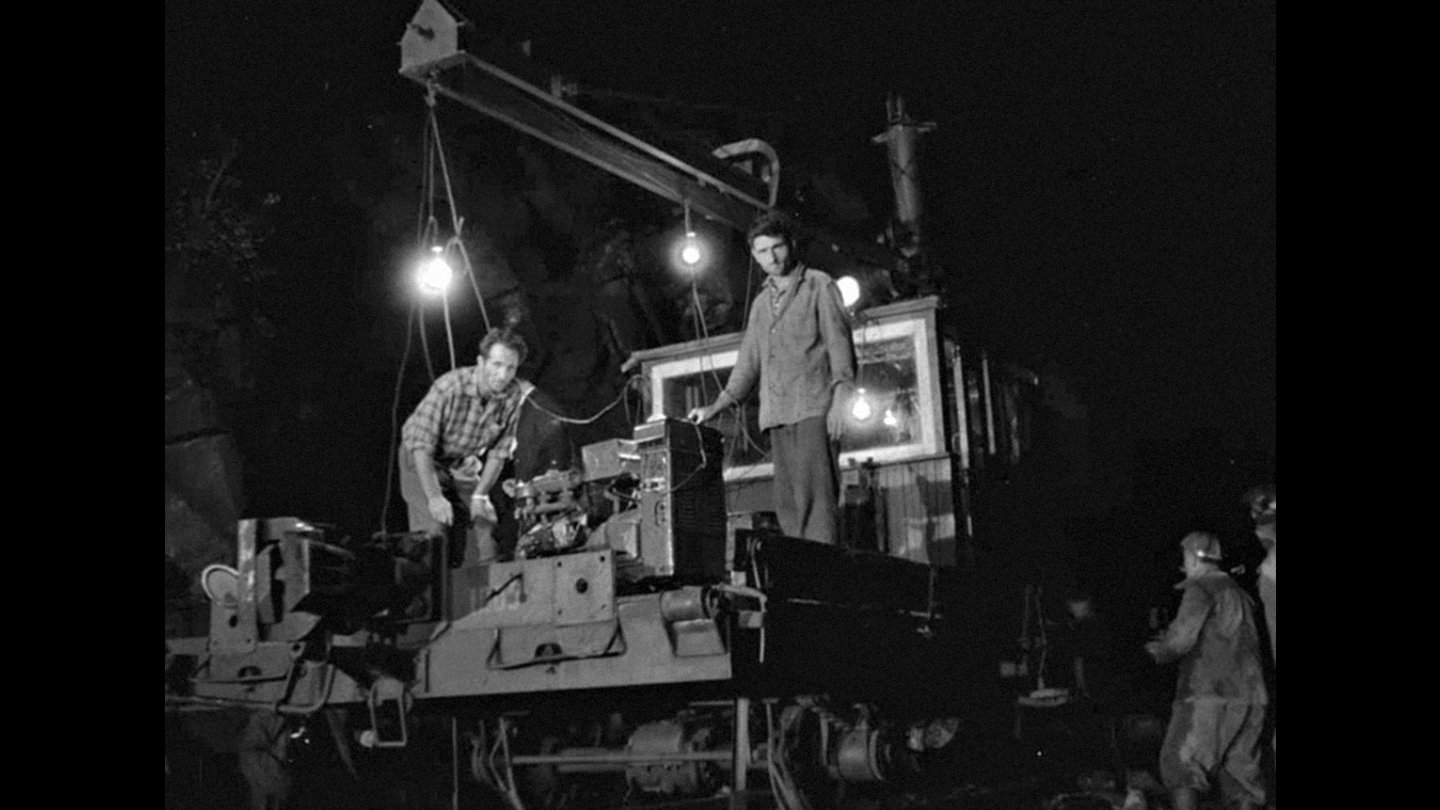
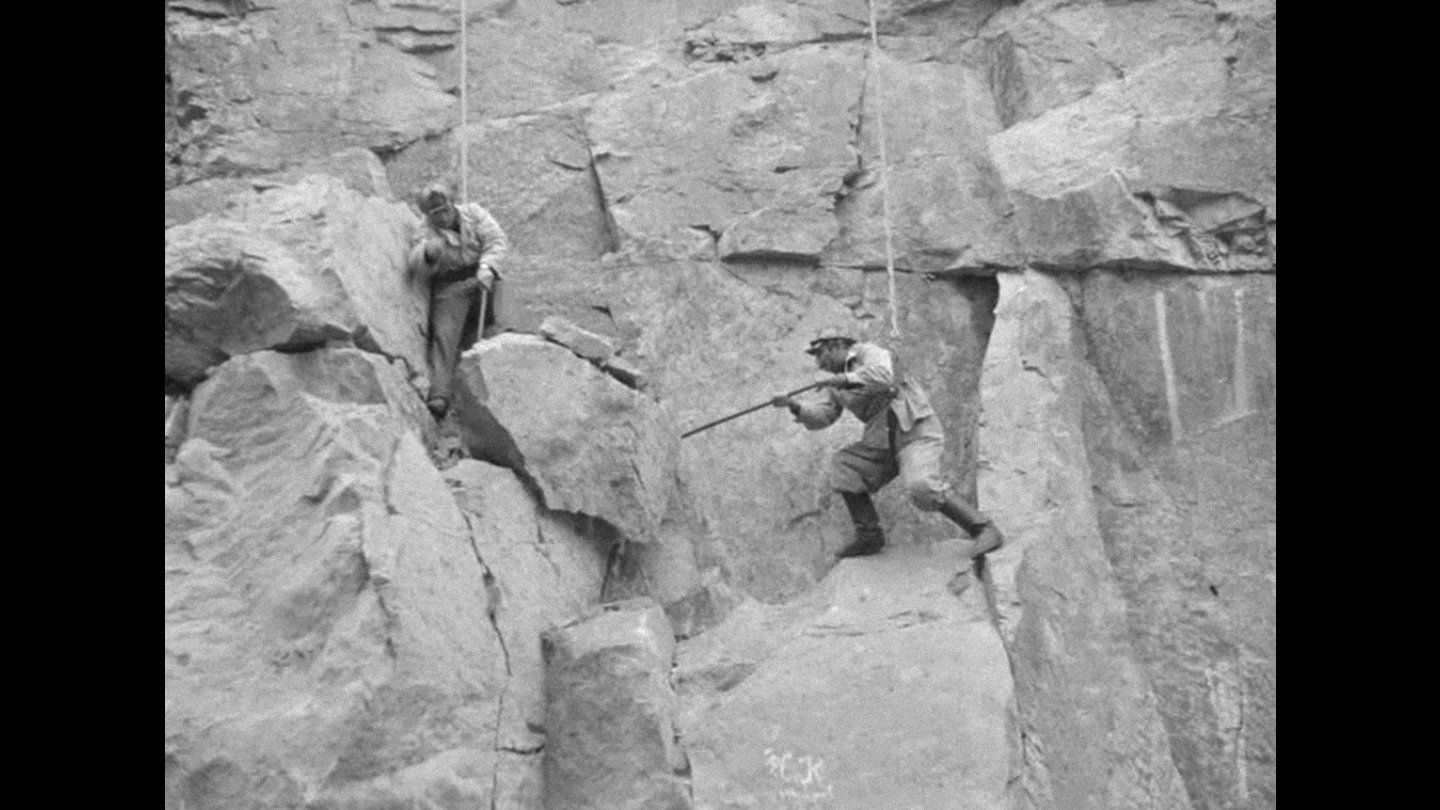
Auch wenn die Anzahl der Filme überschaubar ist, die Artavazd Pelechian in sechs Jahrzehnten geschaffen hat, so ist seine Stellung in der Filmgeschichte kaum hoch genug einzuschätzen. Sein Einfluss auf die Sprache des Kinos ist außergewöhnlich. Konsequent bleibt er in seinem Werk einer radikalen Reduktion verpflichtet, innerhalb der sowjetischen und postsowjetischen Filmkultur macht ihn das zu einer Ausnahmefigur. Als Dokumentarist, Essayist oder poetischer Avantgardist ist Pelechian nur unzureichend beschrieben. Seine Filme, die ohne Text und klassische Dramaturgie auskommen, bestehen aus Bildströmen, die eine visuelle Meditation über Mensch und Natur formen. In einem Gespräch mit Jean-Luc Godard sagt er, Film beruhe auf Raum, Zeit und wirklicher Bewegung. Diese drei Elemente bilden den Kern seiner Arbeit. Geboren in Armenien, ausgebildet in Moskau, findet Pelechian früh Anerkennung. SKIZBE, ausschließlich aus Archivmaterial zur Oktoberrevolution montiert, zeichnet seinen weiteren Weg vor und zeigt die Wucht historischer Umbrüche. Auf der Suche nach einer armenischen Identität, verdichtet er in MENQ das Verhältnis zwischen Individuum und Gemeinschaft zu einer pulsierenden Choreografie, die soziale Bindungen sichtbar macht. TARVA YEGHANAKNERY entfaltet ein Panorama bäuerlichen Lebens, Arbeit, Natur und Ritual gehen ineinander über. Ein Kreislauf von Mühe und Erneuerung entsteht. KYANQ erweitert diesen Blick, indem es Geburt und Tod als universelle Bewegungen begreift, während NASH VEK Mensch und Technik in ein Spannungsfeld setzt, das zwischen Staunen und Erschütterung oszilliert. Pelechian entwickelt eine eigene Theorie der Montage: die Distanzmontage. Sie soll kein lineares Denken erzeugen, sondern ein magnetisches Feld, in dem Bedeutung aus der Gesamtheit entsteht. So ähneln seine Filme Sinfonien aus Schwarz und Weiß (mit ein paar wenigen farblichen Ausnahmen), in denen aktuelle Aufnahmen und Archivbilder in einen visuellen Tanz geraten und Chaos und Ordnung einander als Kräfte desselben Stroms begegnen. (Otto Römisch)
Dieser Film läuft im Rahmen des Screenings PELECHIAN PROJECT PROGRAMM 1.
The films of Artavazd Pelechian are somewhat inadequately described as documentaries. Born in Armenia in 1938, in what was then the Soviet Union, Pelechian frequently draws his subjects from history, whether archival footage of the October Revolution and its aftermath in SKIZBE (1967), or the return of Armenian exiles after the horrors of genocide in MENQ (1969). But the term documentary does not even begin to suggest the films’ propulsive energy, fluidity, or sense of lyrical surprise. “Essay film” is sometimes used instead, though Pelechian’s works are typically wordless. The director has himself offered the term “distance montage,” which, unlike the linearity of his Soviet compatriot Sergei Eisenstein, organises shots like a “magnetic field.” Scale varies dramatically, from the hubris and awe of space exploration in NASH VEK (1983), to the bead of sweat forming on the brow of an expectant mother in KYANQ (1993). His method is like that of a composer, guided by gesture and sensation. Shots and sequences are like musical refrains and accrue new meanings as they repeat. ZEMLYA LYUDEY (1966), for instance, is bookended with a shot of Auguste Rodin’s The Thinker, whose musings, no doubt, deepen after a spiral-like collage of urban activity. Trains commonly appear, from the workers maintaining a perilous railroad in LERNAYIN PAREK (1964), to the passengers who gaze out of a compartment window in VERJ (1992), the wind gently lifting their hair. TARVA YEGHANAKNERY (1975) features shepherds inundated by water, snow and giant herds of sheep, which they still manage to transport in inventive ways; people in Pelechian films are rarely at rest, instead buffeted by the forces of nature and industry. Rarely seen, Pelechian’s entire body of work amounts to less than four hours, and still it was praised by French film critic Serge Daney for being “a missing link in the true history of the cinema.” In moments both grand and granular, Pelechian masterfully conjures a feeling of life in unceasing flux. (Genevieve Yue)