La Femme du bout du monde
The Woman from the End of the World
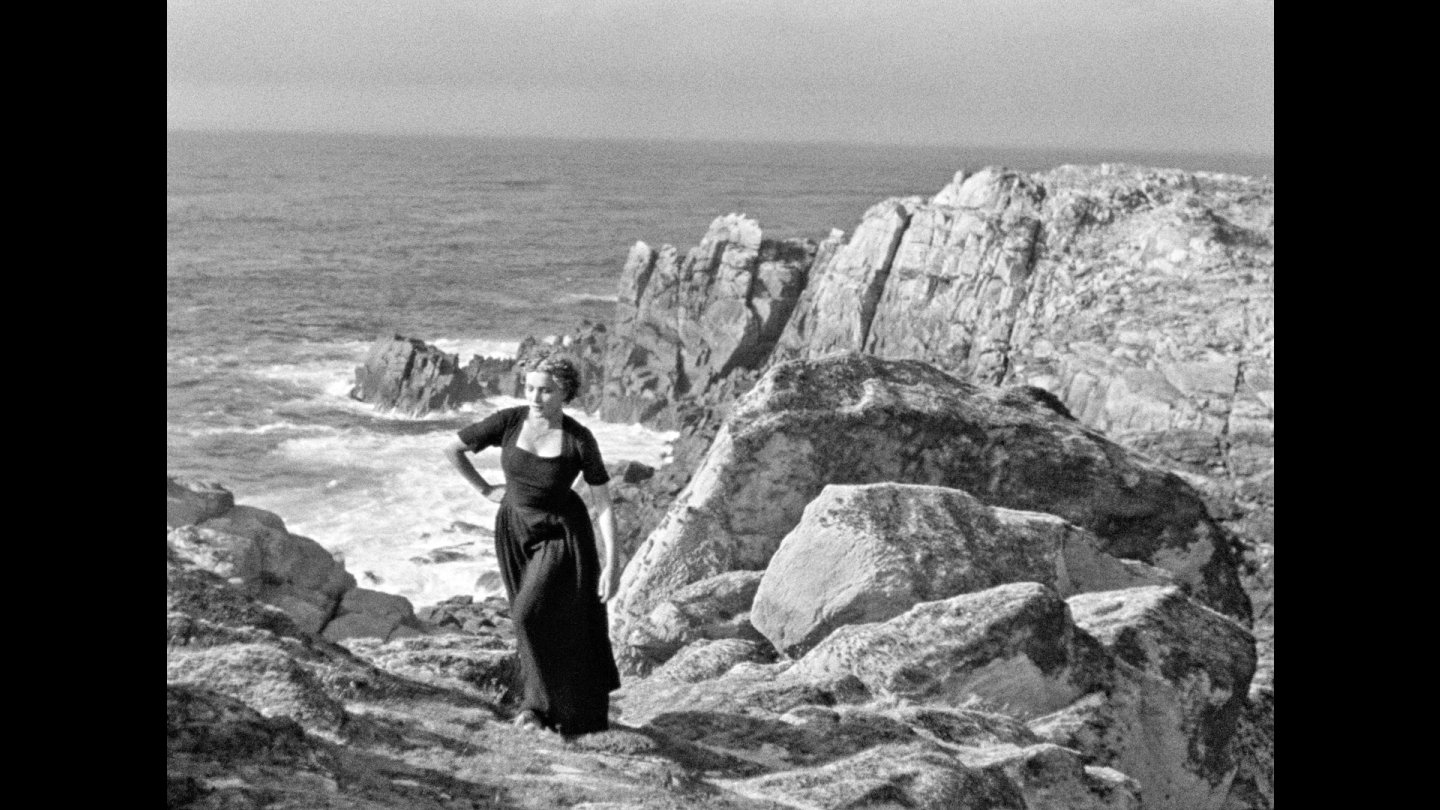
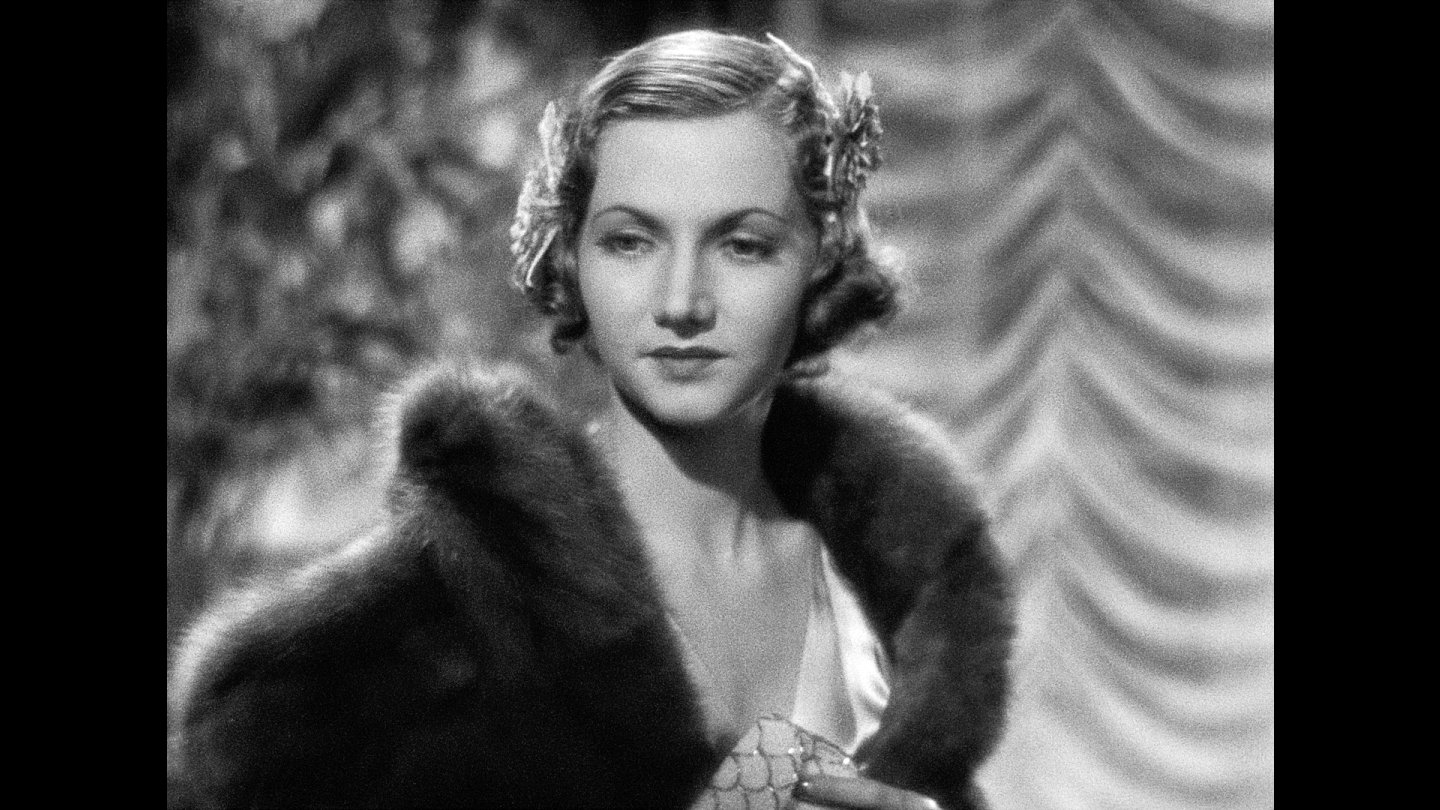
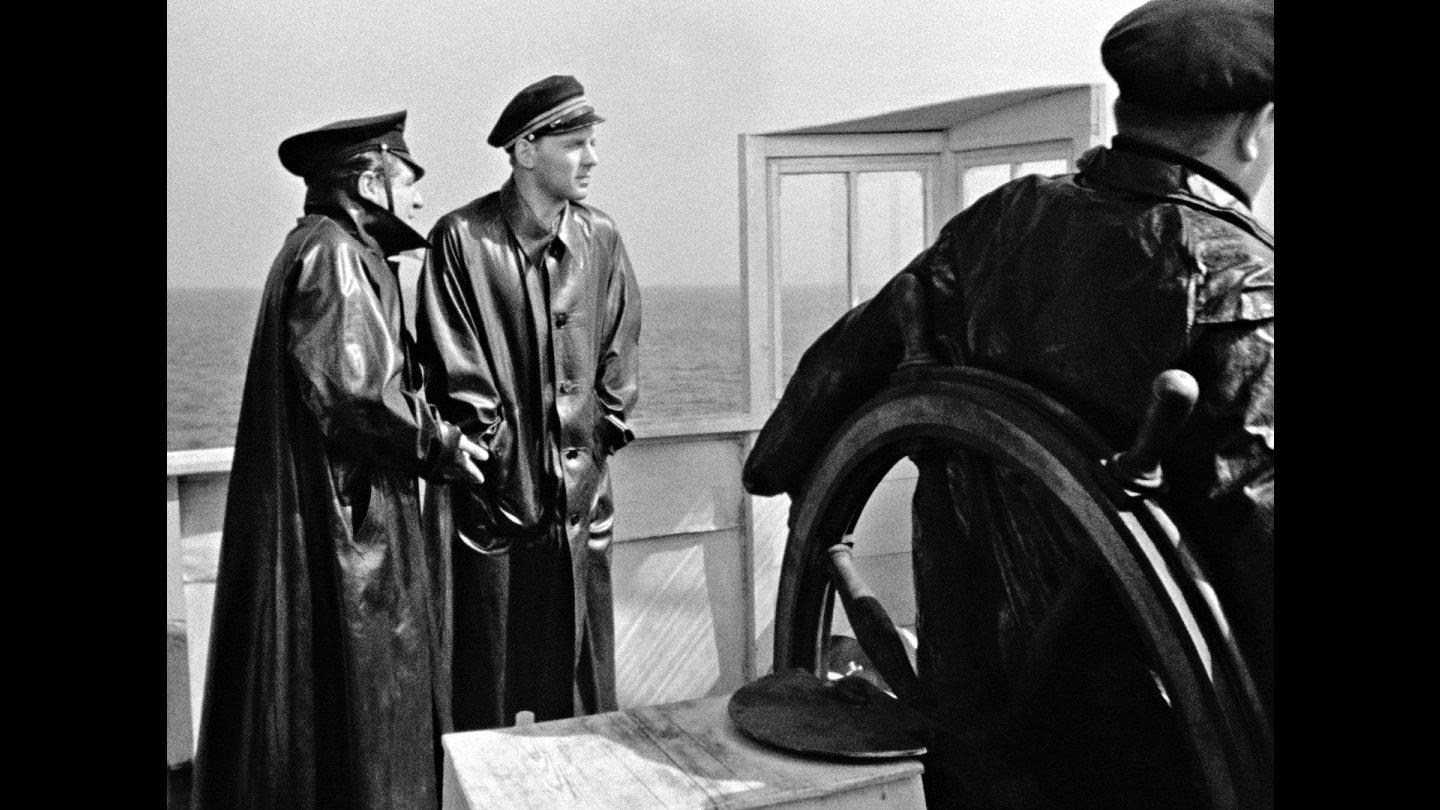
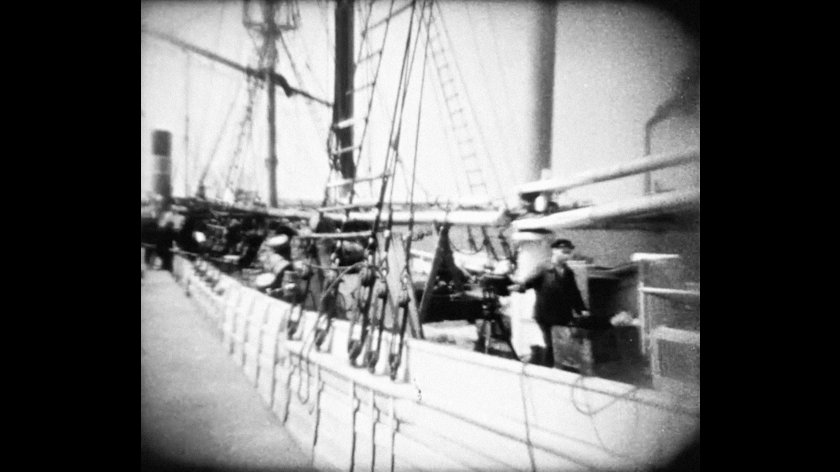
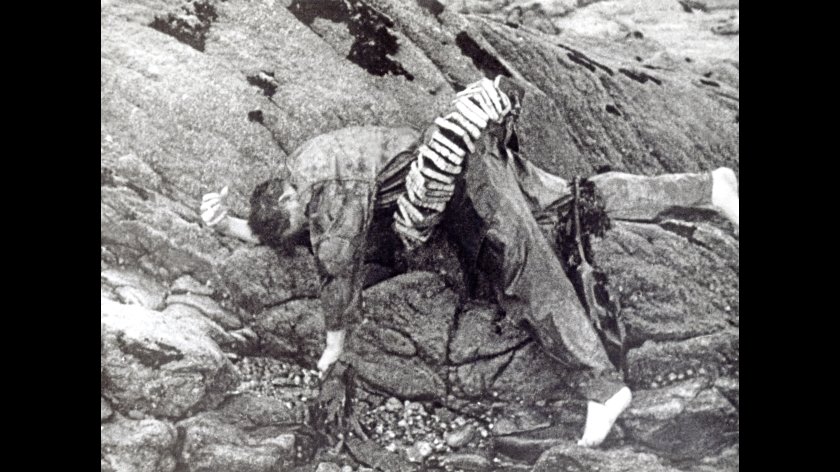
Auf der Suche nach Bodenschätzen landet ein Handelsschiff auf einem abgelegenen Eiland. In einem einsamen Gasthaus entdeckt die Besatzung eine geheimnisvolle Frau, ihren derangierten Gatten und deren kleines Kind. Bald verfallen die Neuankömmlinge der enigmatischen und magnetischen Aura der Frau und drohen Leidenschaft, Rivalitäten und Verzweiflung die abgeschlossene Welt zu zerstören. Mit der Ankunft eines weiteren Boots eskaliert die Situation. Erinnerungen an Epsteins Meisterwerk FINIS TERRAE werden wach: Die zerklüftete Schönheit der atlantischen Landschaften trifft auf poetische Versenkung; das wilde Meer ist auch Metapher. (Jean-Michel Gentile)
Alle Retrospektiven-Filme, die nach der Viennale – ab dem 29.10. – im Filmmuseum gezeigt werden, können selbstverständlich auch wie gewohnt auf www.filmmuseum.at oder unter Tel. 01/533 70 54 reserviert und an der Kassa des Österreichischen Filmmuseum gekauft werden. Es gelten die Preise des Filmmuseums.
LA FEMME DU BOUT DU MONDE, Jean Epstein’s final feature, transports viewers to a remote island at the edge of imagination and represents a late-stage culmination of the director’s standard preoccupations. A cargo ship called the Saint-Joachim is in obsessive pursuit of elusive mineral deposits and lands on a desolate island where the explorers discover a mysterious, solitary woman, her deranged husband and their young child at an isolated inn. The outsiders succumb to her enigmatic, magnetic presence; unspoken tensions mount as passion, rivalry and desperation threaten to destroy this confined world. The arrival of a second cargo ship, the Pretoria from England, only complicates matters, and the two crews find themselves at war with each other. Reminiscent of his masterpiece FINIS TERRAE (1928), LA FEMME DU BOUT DU MONDE, shot on location on the island of Ushant off Brittany, marries the stark, rugged beauty of Atlantic exteriors with poetic introspection—the untamed, wild sea becomes both a backdrop and a metaphor for wild, untamed passions that can only lead to tragedy. (Jean-Michel Gentile)
- Charles Vanel
- Germaine Rouer
- Jean-Pierre Aumont
- Robert Le Vigan
- Paul Azaïs
- Alexandre Rignault
- Philippe Richard
- Georges Douking
- Jacky Vilmont
- Jean Appert
- Edmond Beauchamp
- Edouard Francomme
- Georges Vitray
- Jean Epstein, Alain Serdac, based on the novel of the same name by A. Serdac
- Enzo Riccioni
- Paul Cotteret
- Henriette Caire
- Jean Wiener