Dow Rahehal Baraye yek Massaleh
Two Solutions for One Problem
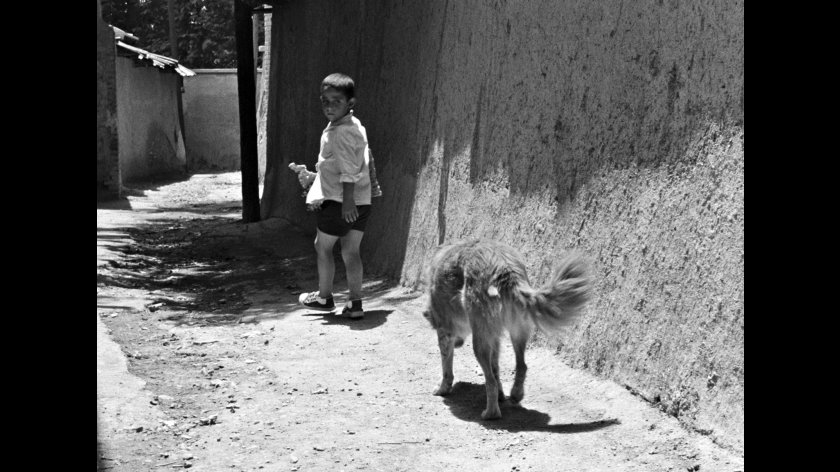
„Der Hauptdarsteller war ein siebenjähriger Junge und kein professioneller Darsteller, der Hund war kein professioneller Hund, und ich war kein professioneller Regisseur.“ Noch bevor Kiarostami mit WO IST DAS HAUS MEINES FREUNDES? 1987 berühmt wurde, erzählte er in seinem Debütfilm eine ähnliche Geschichte. In NAN VA KOUTCHEH (1970) sieht man einen Jungen in weißem Hemd und kurzer Hose eine Straße entlangmarschieren: Unter den Arm hat er ein frisches Fladenbrot geklemmt, während er zu den Klängen der Beatles-Nummer „Ob-La-Di, Ob-La-Da“ eine Blechdose vor sich herkickt. Die Überraschung wartet hinter der nächsten Ecke: Ein bellender Hund versperrt ihm den Weg. Da die schmale Gasse keinen Ausweg bietet, verlangt das Problem nach einer kreativen Lösung – die der Junge freilich finden wird.
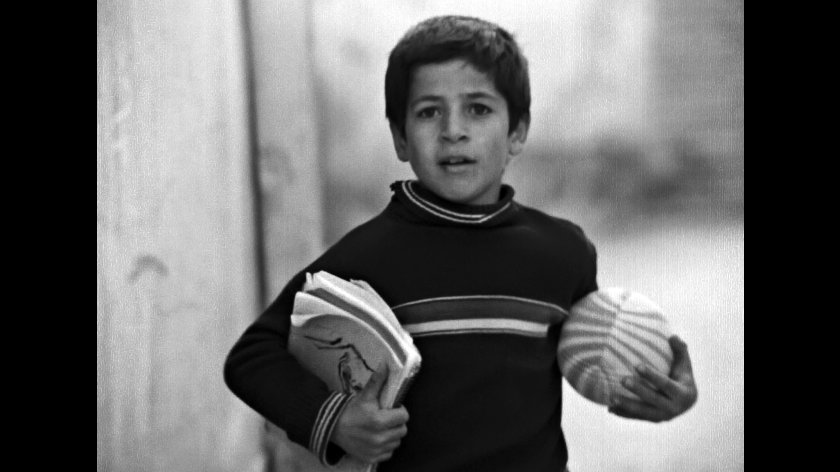
Insgesamt zwanzig Filme realisierte Kiarostami als Mitbegründer der Filmabteilung des pädagogischen Instituts Kanun in Teheran. Die in diesem Programm versammelten frühen Kurzfilme lassen bereits den poetischen Humor und das humanistische Weltbild erkennen, die auch seine späteren Kinoerfolge prägen sollten. So etwa in ZANG-E TAFRIH (1972), der Odyssee eines Schuljungen, der nach der Bestrafung für eine zerschossene Fensterscheibe einen abenteuerlichen Heimweg mit Hindernissen antritt und sein vertrautes Viertel verlässt.
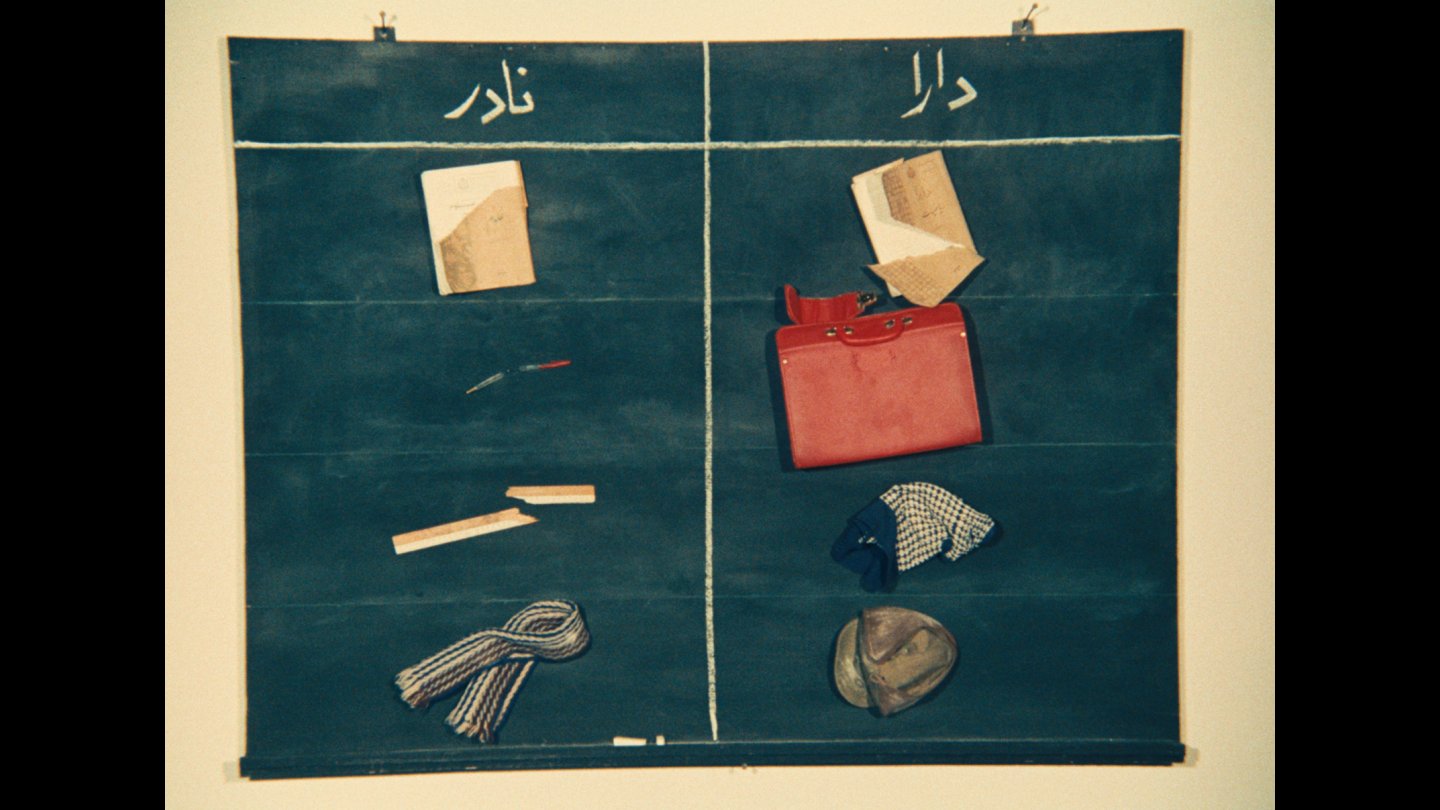
Neben seinen Kurzspielfilmen mit Kindern drehte Kiarostami aber auch eine Reihe didaktischer Lehrfilme für Kinder. Diese Arbeiten zeugen von der künstlerischen Freiheit, die ihm vor der Islamischen Revolution gewährt wurde: Im Farb-Lernfilm RANGHA (1976) wird ein Junge inmitten einer Welt bunter Konsumartikel kurzerhand zum ehrgeizigen Rennfahrer; die Selbstermächtigung in MAN HAM MITOUNAM (1975) endet mit einer fliegenden Schluss- pointe; und zwei streitende Freunde finden in DOW RAHEHAL BARAYE YEK MASSALEH (1975) dank verbindendem Klebstoff zu einer friedlichen Lösung. (Michael Pekler)
Dieser Film läuft im Rahmen des Screenings KINDER UND KINO. FRÜHE KURZFIILME VON ABBAS KIAROSTAMI.
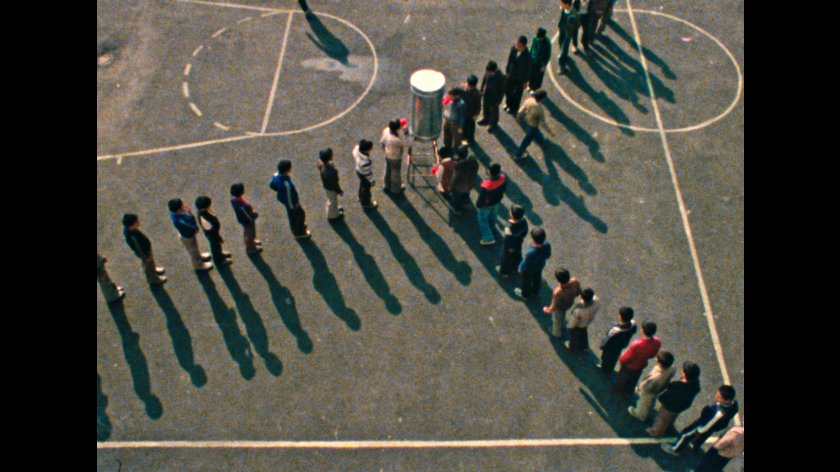
Abbas Kiarostami trained as a painter, illustrated children’s books and designed film posters and credits for the Iranian New Wave before making dozens of television commercials. In 1970, he was asked to create a film department at the Institute for the Intellectual Development of Children and Young Adults. Using animation, montage, music and improvisation, Kiarostami would use this space to play with the short film format, creating simple, playful narratives around children, both venerated in Iranian culture and given significant responsibilities within the family and society. These were perfect subjects for him while he explored filmmaking and different aspects of Iranian life in the years leading up to the revolution of 1979 and the ideological shifts in its aftermath. The films bring up ethical, existential and societal questions through simple dilemmas that children encounter. His first directorial work, NAN VA KOUTCHEH (1970), starts with a boy simply walking home from the bakery, but transforms into a tense experience of fear and courage. Just two years after the heated revolution, BE TARTIB YA BEDOUN-E TARTIB (1981) already questioned the collective body and the ways it could shift between chaos and efficiency in a matter of seconds. Formally self-reflexive, the director’s presence is heard throughout, a technique Kiarostami later employed in his features. DOW RAHEHAL BARAYE YEK MASSALEH (1975) is a more calculated study of childhood, looking at behaviour, self-control and camaraderie as fragile elements of coexistence. The more abstract works like ZANG-E TAFRIH (1972) make little direct commentary while questioning norms around punishment, guilt and isolation. Playful in form, MAN HAM MITOUNAM (1975) and RANGHA (1976) are reminiscent of TV commercials, using ludic association to enliven educational content. Ten years since the director’s death, and 50 years since their making, these shorts give a glimpse into the early gestures of one of Iran’s most important cinematic voices. A joy for all audiences, we invite parents to bring their children to this screening. (Bani Khoshnoudi)