Biografía de Jorge Luis Borges (tercera parte)
Life of Jorge Luis Borges (Part 3)
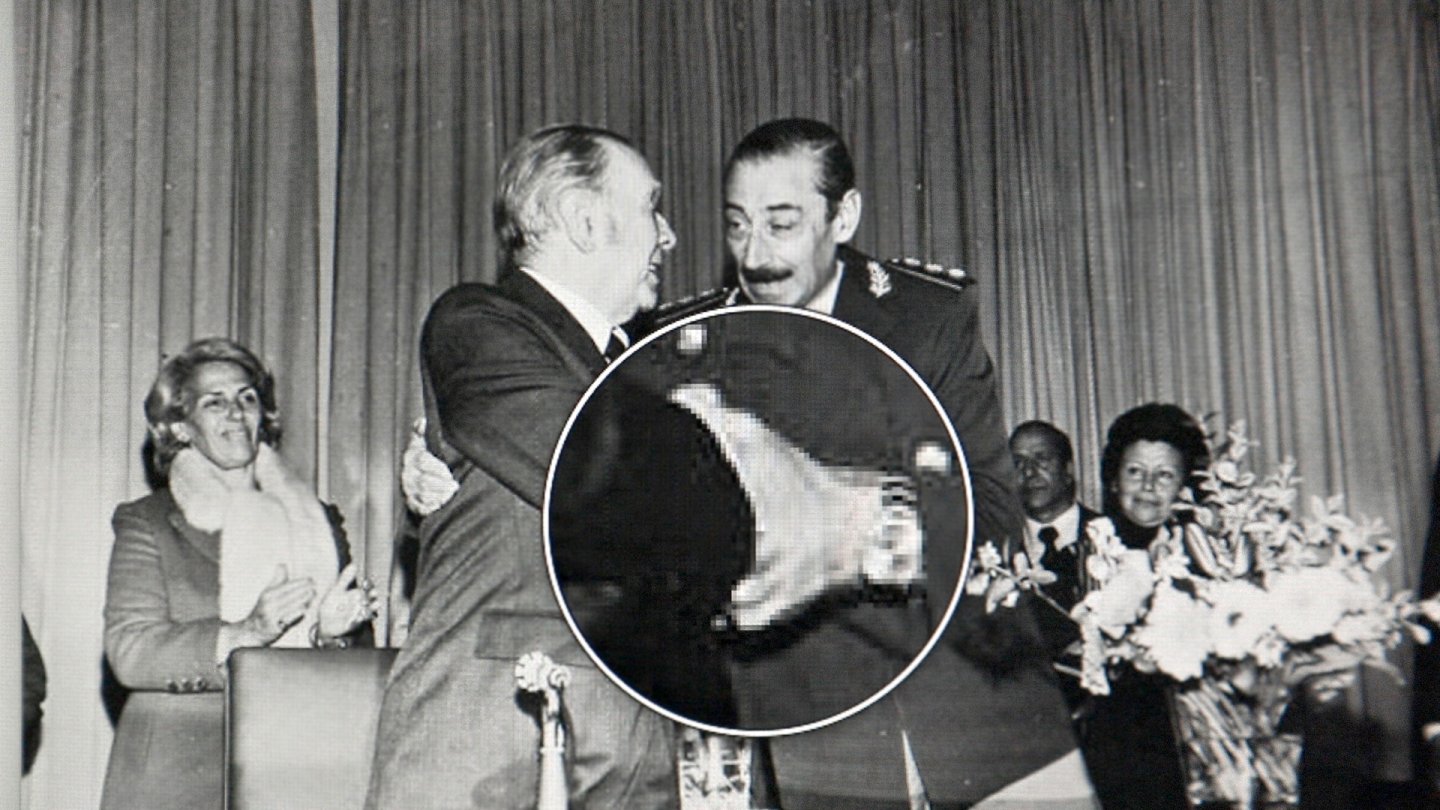
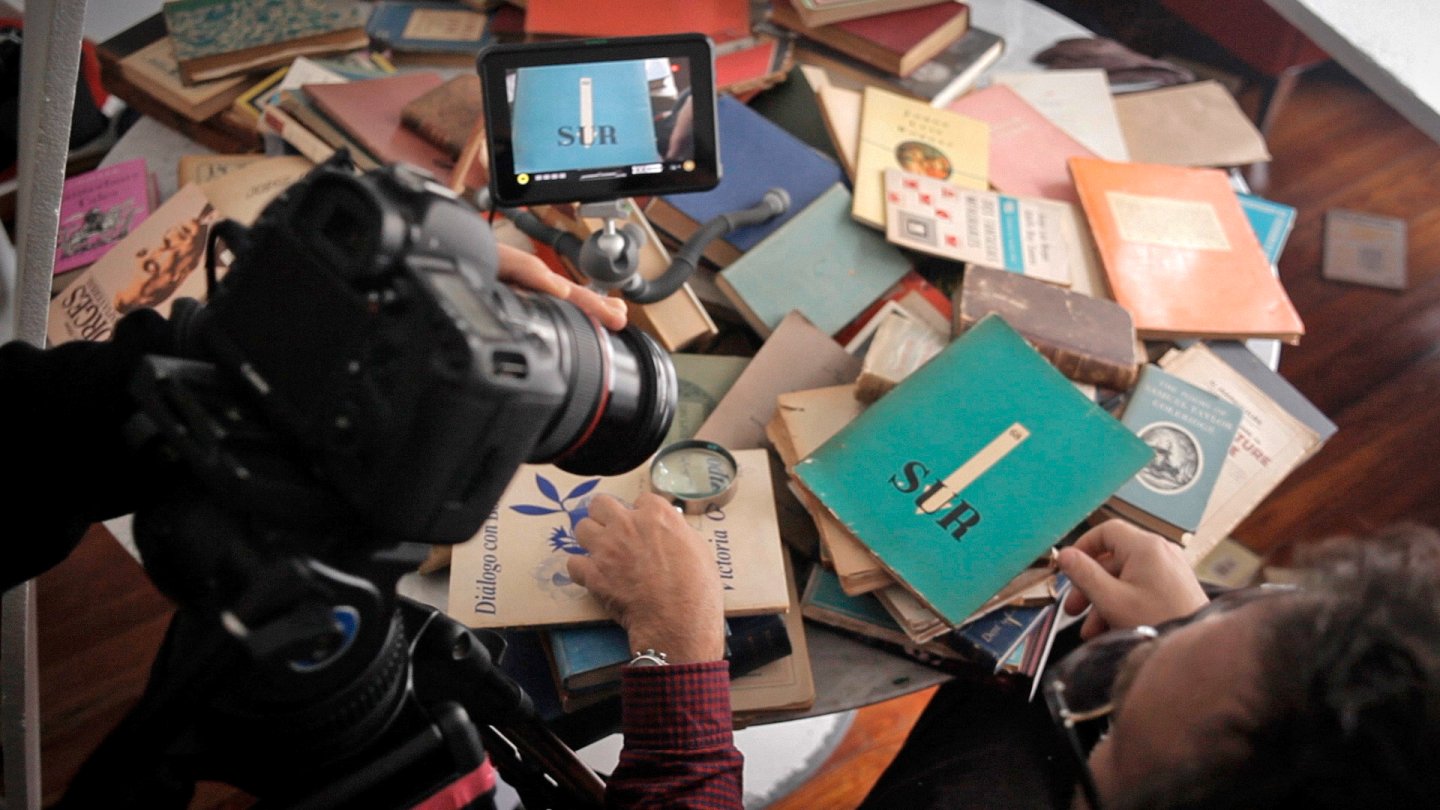
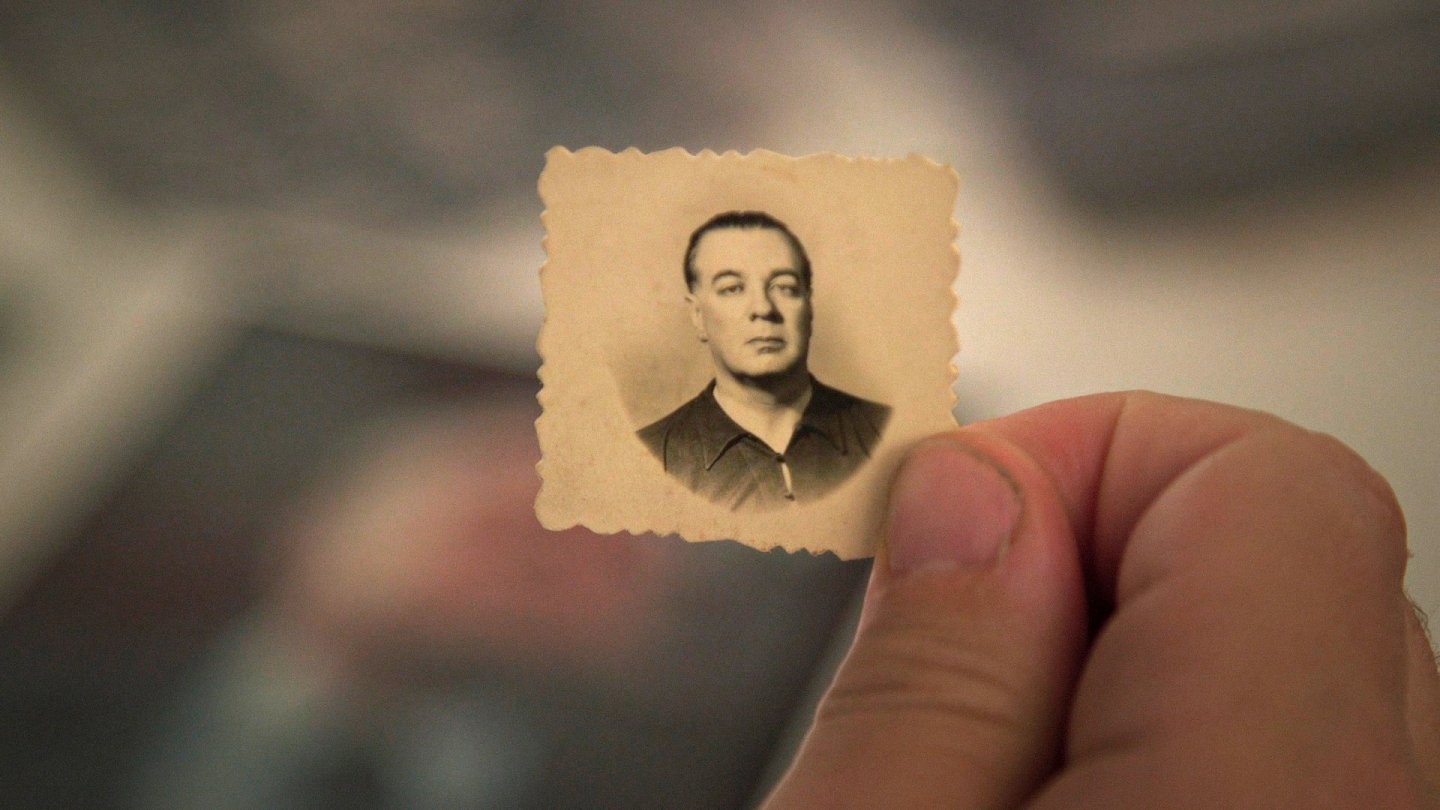
Von Llinás, der sich in seinen Filmen mit so schonungsloser Ironie selbst betrachtet, ist auch keine Vergötterung von Borges zu erwarten. Der dritte Teil zeigt die monströse Seite des Dichters, den Verteidiger der Sklaverei, den Rassisten, den Antidemokraten, der auf die Gegenwart „pisst“. Llinás schönt nichts, spaltet nichts ab, hält mörderischen Elitismus und Momente der Ernüchterung neben Borges genialische Literatur, bohrt sich zurück ins Leben. Die Biografie eines anderen herzustellen, heißt auch seine eigene Geschichte zu schreiben – und vielleicht auch jene des Kurators Montequín. Oder wie es bei Borges heißt: „Ein Mann stirbt, und wird zu vielen.“ (Robert Weixlbaumer)
In Anwesenheit von Mariano Llinás.
How is one to recount Borges’s lunch with the dictator Jorge Rafael Videla, his visit to Augusto Pinochet, his disdain for certain aspects of popular life, and the shameful remarks he made in interviews from this same period? Nothing is omitted. Infamy was a decisive theme for Borges, and yet this stain, though it touched his own life, imparted no trace of abjection to his work. Llinás’s decision to have actress Laura Paredes read and gently impersonate the writer during the interviews in question softens the embarrassment of the occasion. Nor is Borges’s abhorrence of the cruelty of executioners left unmentioned: the dictatorship was infamous, and Borges understood as much. What follows is a retrospective montage of photographs; later, the film visits the place where Borges’s parents conceived him. In its farewell, it also bids farewell to Edgardo Cozarinsky, a filmmaker and writer for whom, as for Llinás, Hugo Santiago and so many others, Borges was decisive. The epilogue gives form to the early intuition that permeated the writer’s entire oeuvre: fiction is the secret reverse side of reality, perhaps even its sandy foundation. An extraordinary discovery comes to determine the filmmaker’s destiny. (Roger Koza)
Mariano Llinás: BALNEARIOS (2002), HISTORIAS EXTRAORDINARIAS (2008), TRES FÁBULAS DE VILLA OCAMPO (2011, K), LA FLOR (2018), CONCIERTO PARA LA BATALLA DE EL TALA (2021), CORSINI INTERPRETA A BLOMBERG Y MACIEL (2021), CLORINDO TESTA (2022), MONDONGO I: MONDONGO – EL EQUILIBRISTA (2024), MONDONGO II: RETRATO DE MONDONGO (2024), MONDONGO III: KUNST DER FARBE (2024)
- Mariano Llinás
- Ernesto Montequín
- Mariano Llinás
- Agustín Mendilaharzu
- Valeria Fernandez
- Federico Esquerro
- Ignacio Codino
- Gabriel Chwojnik
- Pablo Dacal
Luxbox