Director of
DIE BLUTGRÄFIN
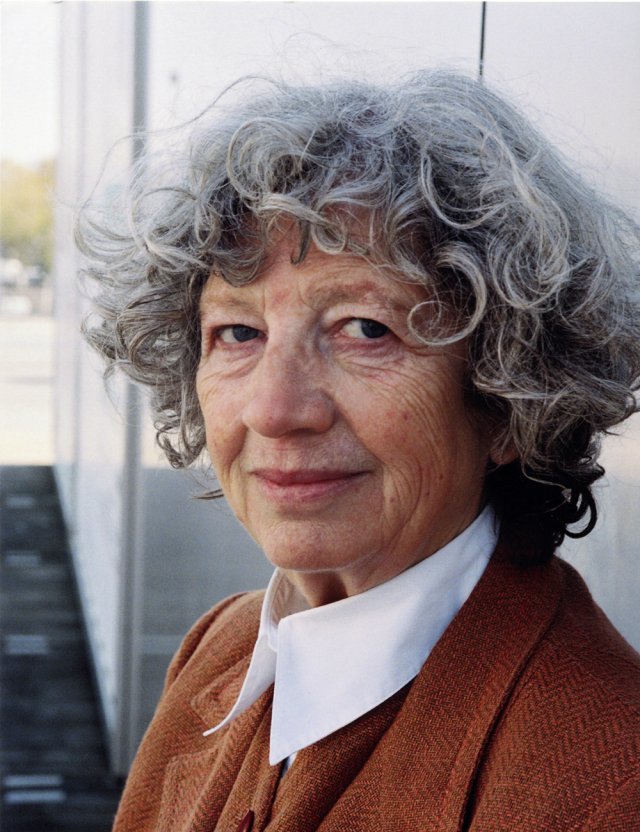
Ulrike Ottinger, born in 1942, is a filmmaker and visual artist and is regarded as one of the most important figures in postwar German cinema. She studied at the Academy of Fine Arts Munich and founded the "Visuell" film club in Konstanz in 1969, which she led until 1972, as well as the "galeriepress" art gallery and press. She became known for, among others, BILDNIS EINER TRINKERIN (1979), FREAK ORLANDO (1981), and JOHANNA D'ARC OF MONGOLIA (1989); from the 1990s onward, she increasingly turned to documentary filmmaking, with works such as TAIGA (1992) and EXIL SHANGHAI (1997). Her work has been shown at, among others, the Venice Biennale and documenta, with solo exhibitions at the Staatliche Kunsthalle Baden-Baden and the Berkeley Art Museum. In 2010, she was awarded the Cross of the Order of Merit of the Federal Republic of Germany. In 2022, she received the Camerimage Award for Avant-Garde Achievements in Film. Her new film DIE BLUTGRÄFIN based on the legend of Erzsébet Báthory and co-written with Elfriede Jelinek, premiered at the Berlinale in 2026, starring Isabelle Huppert in the title role.
Films (selection): BILDNIS EINER TRINKERIN (1979), FREAK ORLANDO (1981), JOHANNA D'ARC OF MONGOLIA (1989), TAIGA (1992), EXIL SHANGHAI (1997), 12 STÜHLE (2004), PRATER (2007), DIE KOREANISCHE HOCHZEITSTRUHE (2008), UNTER SCHNEE (2011), CHAMISSOS SCHATTEN (2016), DIE BLUTGRÄFIN (2026)