Six et demi, onze
Six and a Half by Eleven


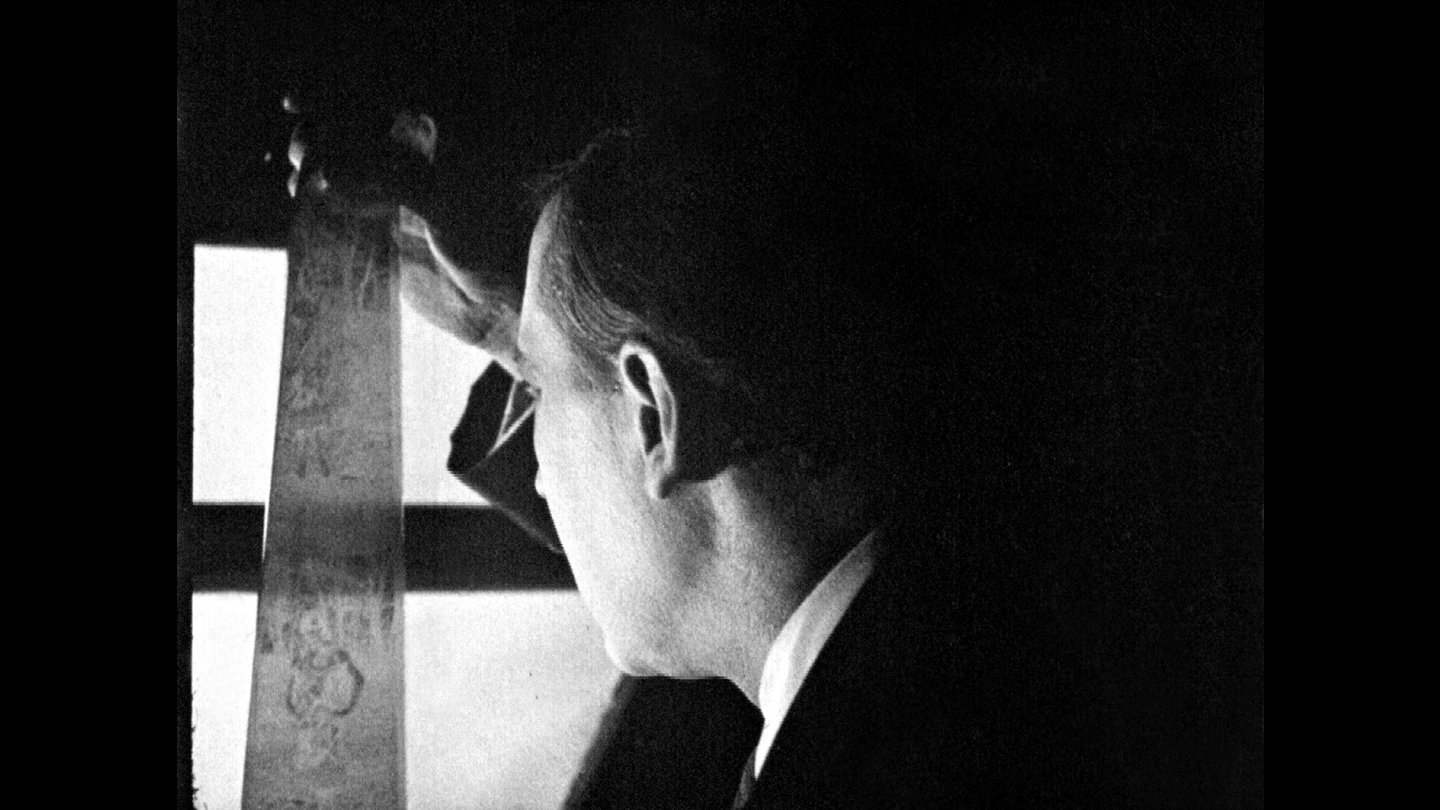
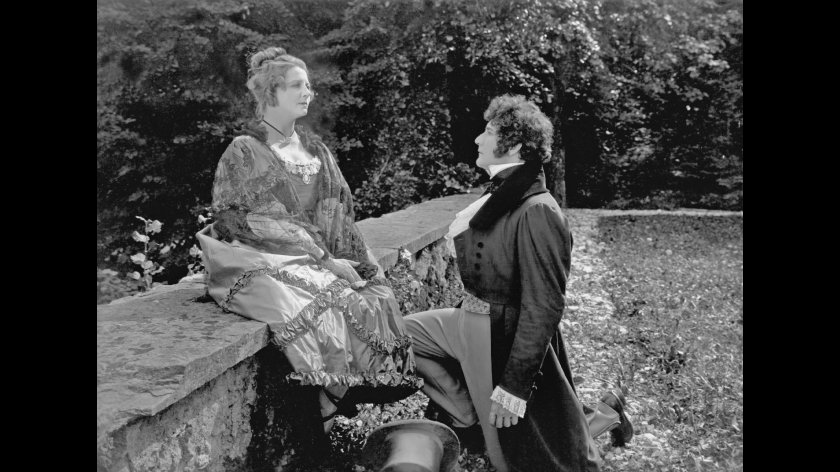
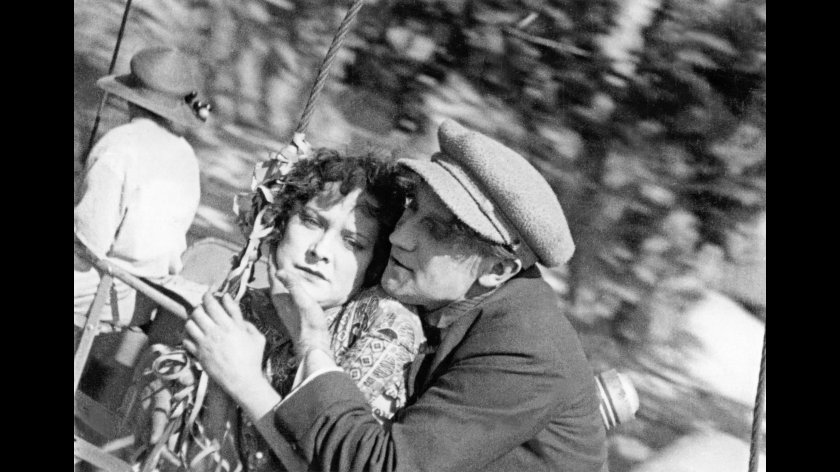
One of Jean Epstein’s most important works, SIX ET DEMI, ONZE gets its title from the dimensions of a Kodak photograph that performs a key function in the plot. Two brothers are separated when the younger one falls in love with a singer. He commits suicide; his older sibling carries out some investigations and finds out the bitter truth when the Kodak negatives are developed. Epstein’s approach to movement—not in space, but rather in time, as events take place in flashback—is masterful and is just as ahead of its time as the energetically self-reflexive gaze he directs at his own material, the film strip. Henri Langlois was full of enthusiasm about the modernity of this film that started a second wave in Epstein’s filmmaking, the search for “a ‘photogenic’ quality that no longer unfolds in space, but rather in time. This variation of temporal perspectives exists in LA GLACE À TROIS FACES (1927), where […] three actions are seen simultaneously in three different ways that overlap and proceed in different rhythms.” (Christoph Huber)
With live music by Maud Nelissen on 24.10. and by Elaine Brennan on 12.11.
All retrospective films that will be shown at the Filmmuseum after the Viennale - from 29.10. - can of course also be reserved as usual at filmmuseum.at or by calling 01/533 70 54 and purchased at the box office of the Austrian Film Museum. The prices of the Austrian Film Museum apply.
- Edmond van Daële
- Nino Costantini
- Suzy Pierson
- René Ferté
- Marie Epstein
- Georges Périnal