Morir un poco
To Die a Little


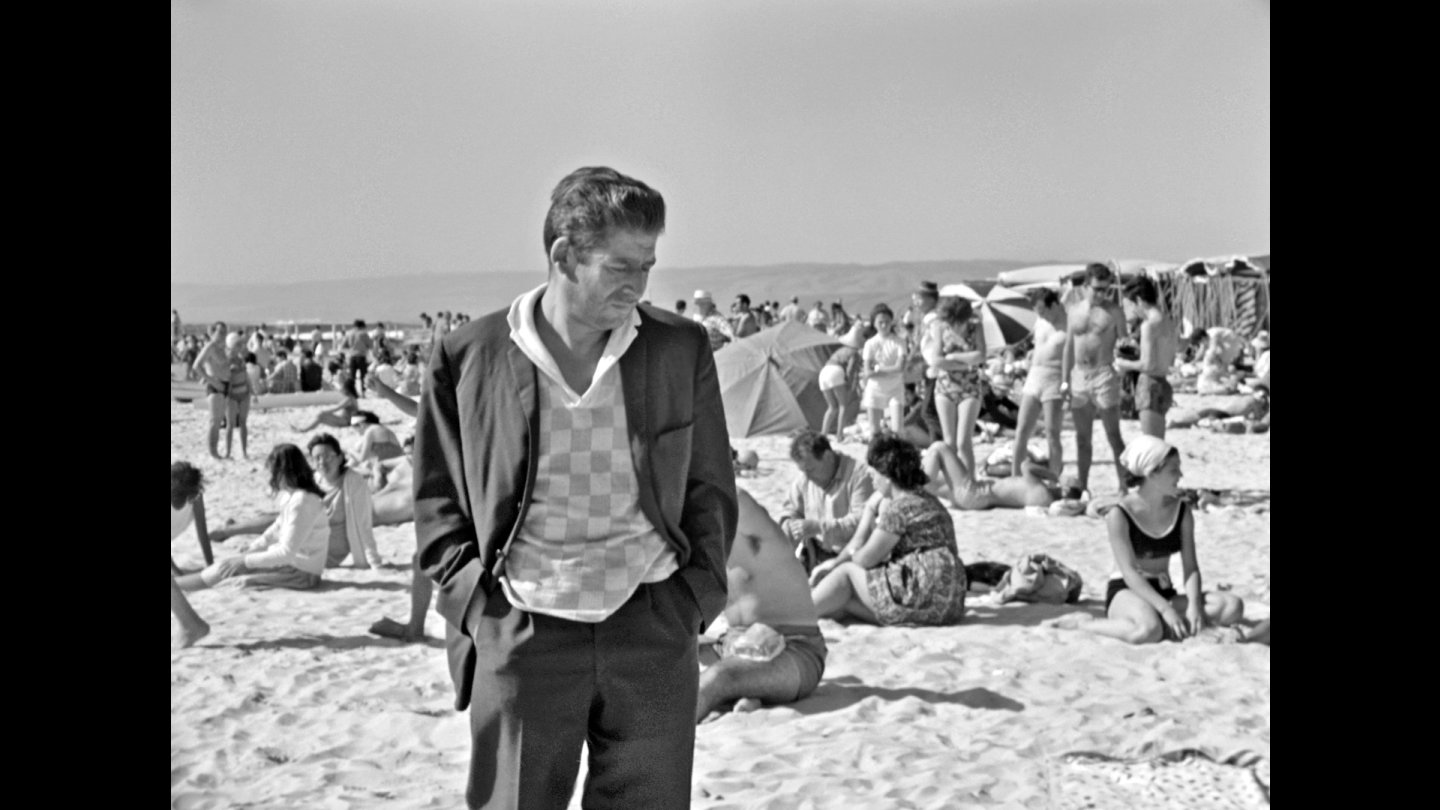
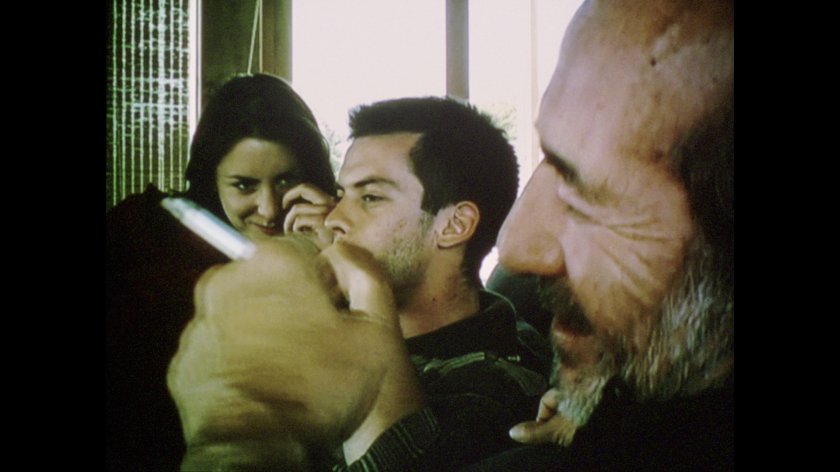
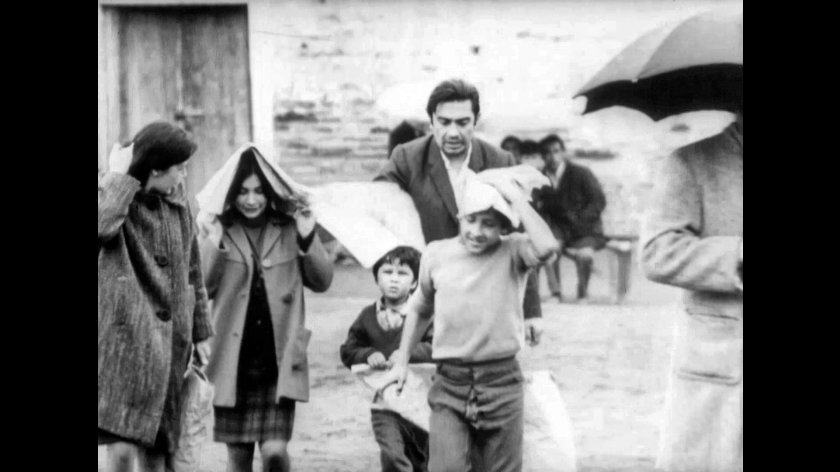
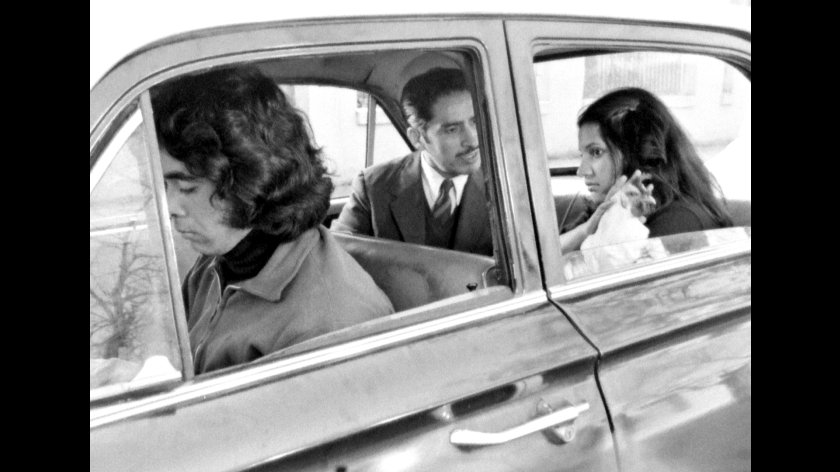
A pivotal, yet still largely unseen expression of sixties Chilean cinema, MORIR UN POCO is a strikingly stylised, modernist work whose disenchanted vision of urban life is described entirely without dialogue, told instead from the point of view of a drifting everyman as he wanders through the country’s two most emblematic cities. Shot entirely in the streets, shanty towns and beaches of Santiago and Valparaíso, MORIR UN POCO exudes a heightened, anxious realism through the figure of its unnamed flâneur antihero, played by non-actor Luis Olivos, whose gaze observes the same festering class inequalities that would fatefully contribute to the overthrow of Allende. An outsider to the close circle of directors who defined the New Chilean Cinema, architect, filmmaker and close associate to Allende, Álvaro Covacevich ofered MORIR UN POCO as a critical counterpart to the neorealist ideas embraced by the movement, designed to capture the paradox of the modern condition whereby, in his own words: “Every day, man goes out into the street and dies a little instead of learning to live. From the house to work, from work to the house. And once a year to the beach.” (Haden Guest)
With A VALPARAÍSO.
Álvaro Covacevich: LA REVOLUCIÓN DE LAS FLORES (1968), EL DIÁLOGO DE AMÉRICA (1972), CHILE, EL GRAN DESAFÍO (1973), LA ODISEA DE LOS ANDES (1976)
- Luis Olivos
- Álvaro Covacevich
- Óscar Gómez
- Mauricio Molina
- Alfredo Levinsky