Morgen vor langer Zeit
Tomorrow a Long Time Ago

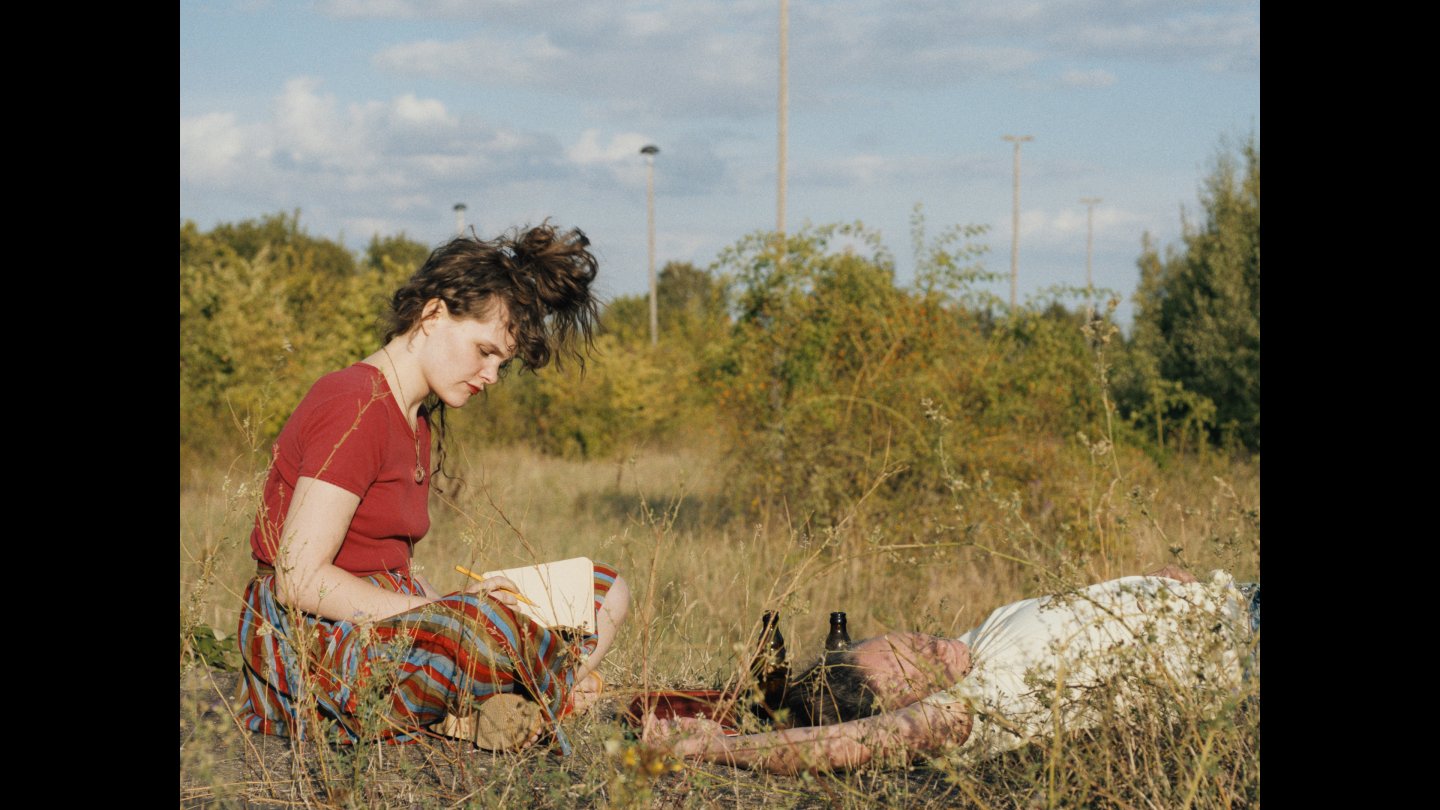

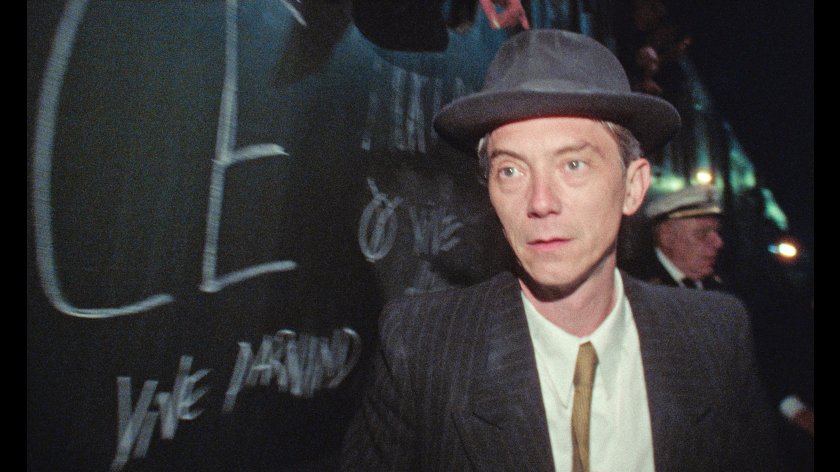
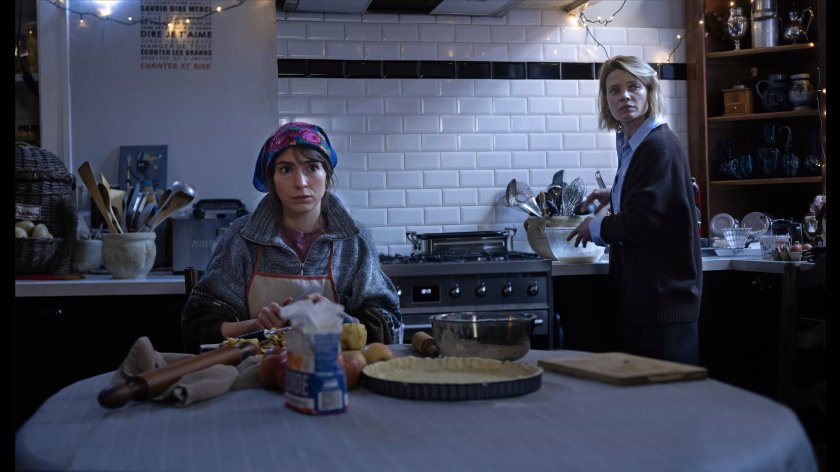
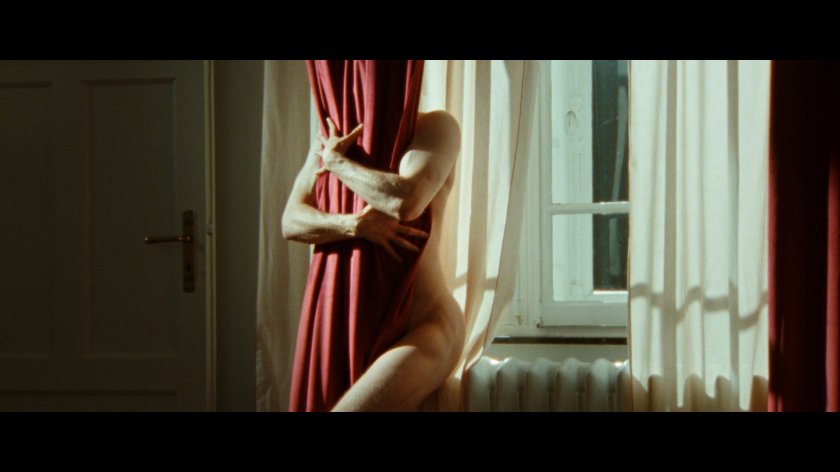
In the very last shot, the little girl plays with a Rubik’s Cube: a few deft movements and suddenly the colours line up. It’s an apt image for the film as whole, ideas laid out like so many distinct panels, like an essay hiding beneath a fiction, waiting to be formed into rows. In the present, a middle-aged woman visits Werner Tübke’s vast painting Early Bourgeois Revolution in Germany in Bad Frankenhausen by the Kyffhäuser hills; she sketches flowers, catches sight of a figure with a fur coat and tries to follow her, the sounds of the peasants’ revolt echo across the landscape, the sounds of the 1989 protests echo through her dreams. In 1990 there’s a girl who likes drawing too, her friend is also middle-aged, she gets fired from the film factory in Bitterfeld where she works and starts an affair with a younger man, as the country that now no longer exists is dismantled around her. She tries to hold on to its objects, but there’s limited space; change can seem undeniable, but still she finds a way. Reunification feels like yesterday, but yesterday also feels like today, the history of East Germany has so many layers, so many panels to line up, into lines that might make us understand, lines that might lead somewhere better. All we need is to listen and look. (James Lattimer)
In the presence of Luise Donschen and Gerti Drassl.
Luise Donschen (selection): CASANOVAGEN (2018), GANZE TAGE ZUSAMMEN (2019, K), ELLE (2021, K)
- Gerti Drassl
- Manuela Biedermann
- Pola Friedrichs
- Clemens Bobke
- Nele Christoph
- Uwe Preuss
- Jan Kampmann
- Peter Schneider
- Luise Donschen
- Helena Wittmann
- Johannes Doberenz
- Johann Mies
- Luise Donschen
- Fanny Welz