Gavagai
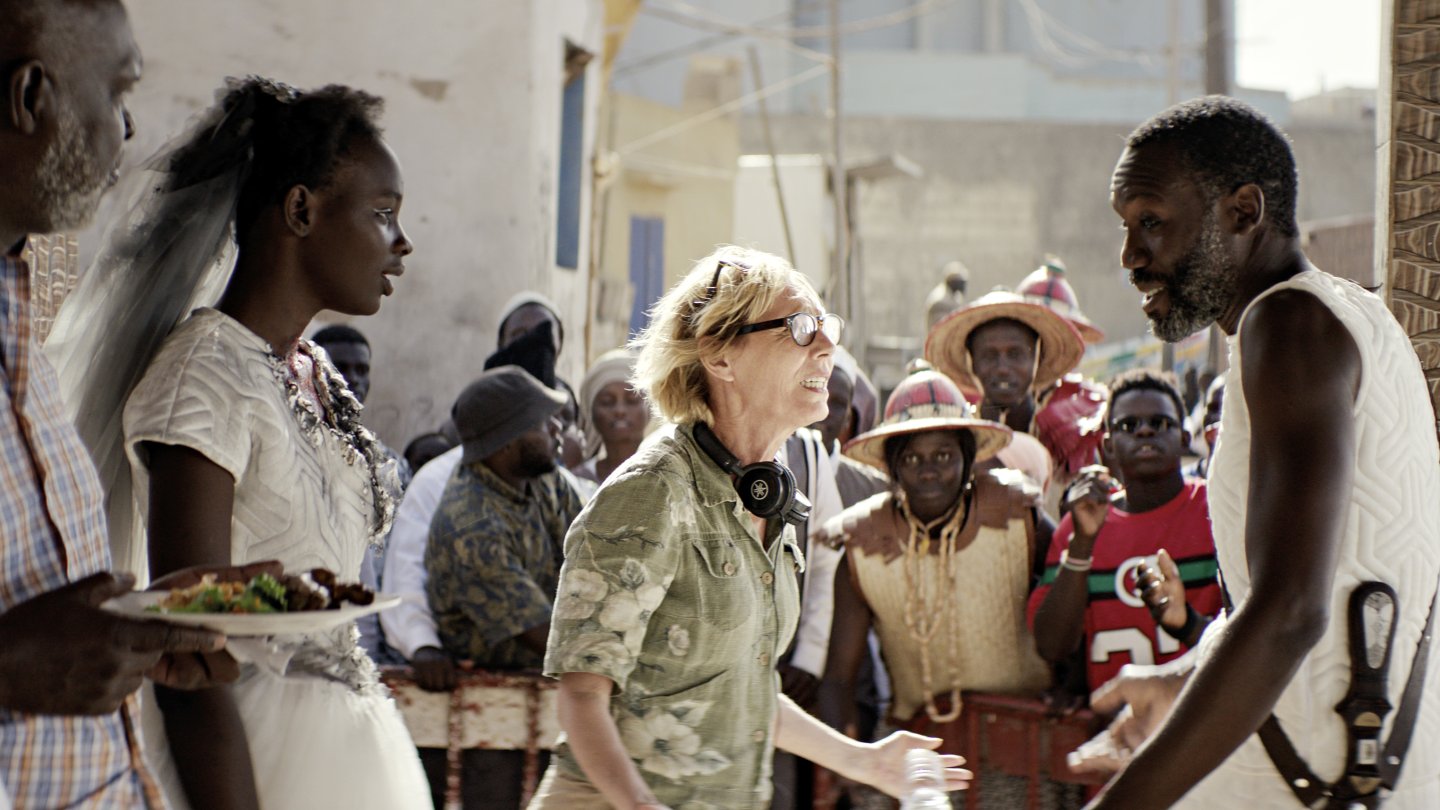

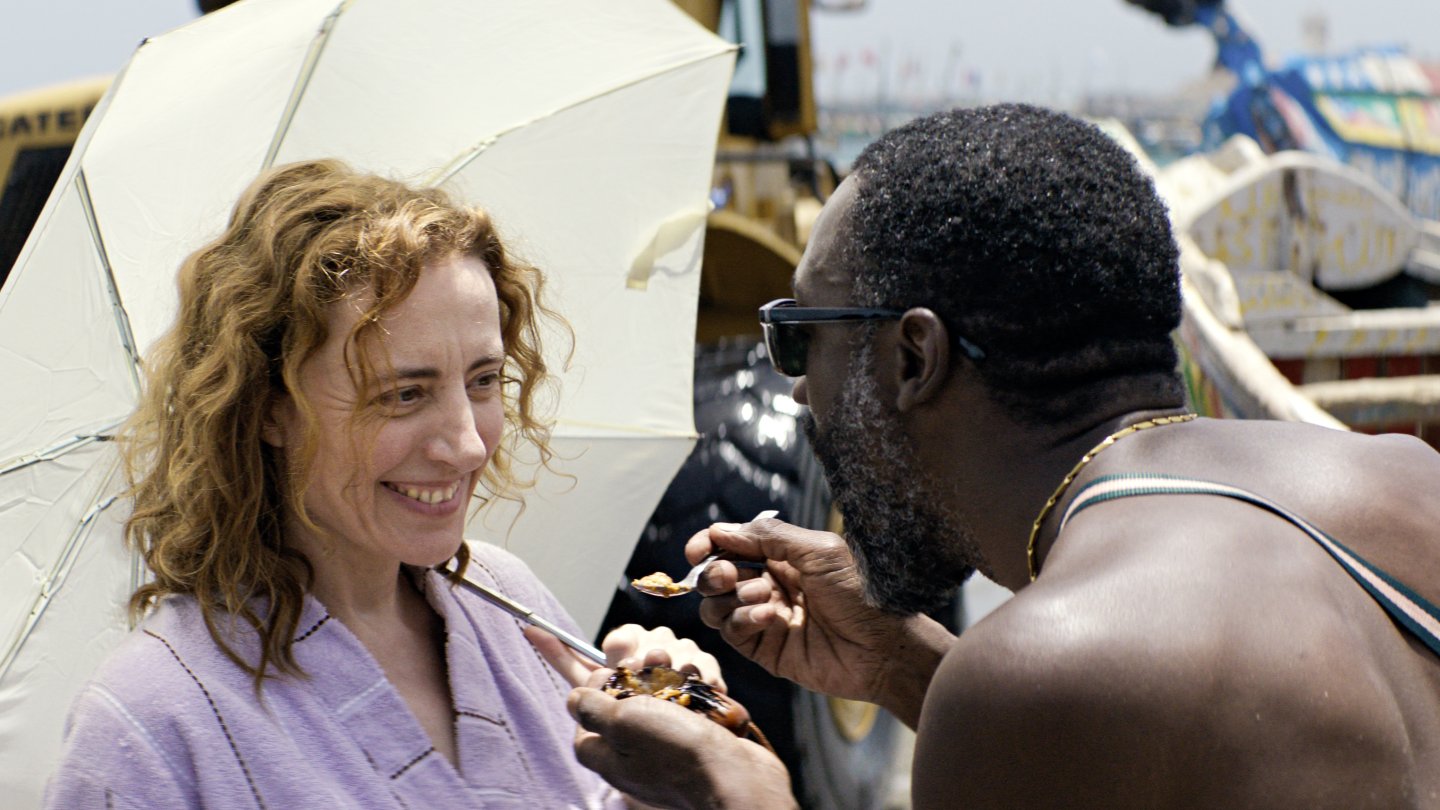
A somewhat unhinged white woman filmmaker from France radically reinterprets Medea in Senegal to start off the richly complicated GAVAGAI. What transpires on and off camera reverberates in the events surrounding its unveiling at a technically unnamed festival in Potsdamer Platz, a version of which occurred during Ulrich Köhler’s SCHLAFKRANKEIT premiere at the 2011 Berlinale. Arriving at the Intercontinental Hotel, Nouru (Jean-Christophe Folly), the actor playing Jason, experiences a racist incident with a Polish security guard. Maja (Maren Eggert, the German Medea), with whom Nouru had an affair during the shooting, comes to his rescue, or so she assumes. “Gavagai” refers to a thought experiment by W.V. Quine symbolising the challenges of translation and cultural interpretation. Gavagais thus abound in GAVAGAI, revolving around power relations of race, class, gender, privilege, art, interpersonal relationships and even fashion. In a solipsistic world, it’s crucial to make us to realise the problems inherent in not seeing the other’s perspective, and Köhler accomplishes this triumphantly, creating a hall of mirrors of moral crises that reflects upon itself well after the film (and the film within the film) has ended. (Mark Peranson)
In the presence of Ulrich Köhler and Lorna Hoefler Steffen. (Editor)
Ulrich Köhler: BUNGALOW (2002), MONTAG KOMMEN DIE FENSTER (2006), SCHLAFKRANKHEIT (2011), IN MY ROOM (2018), DAS FREIWILLIGE JAHR (2019, KO-REGIE)
- Jean-Christophe Folly
- Maren Eggert
- Nathalie Richard
- Anna Diakhere Thiandoum
- Ulrich Köhler
- Patrick Orth
- Julien Sicart
- Andreas Hildebrandt
- Simon Apostolou
- Lorna Hoefler Steffen
- Reinhild Blaschke
- Oumar Sall
Luxbox