Force of Evil
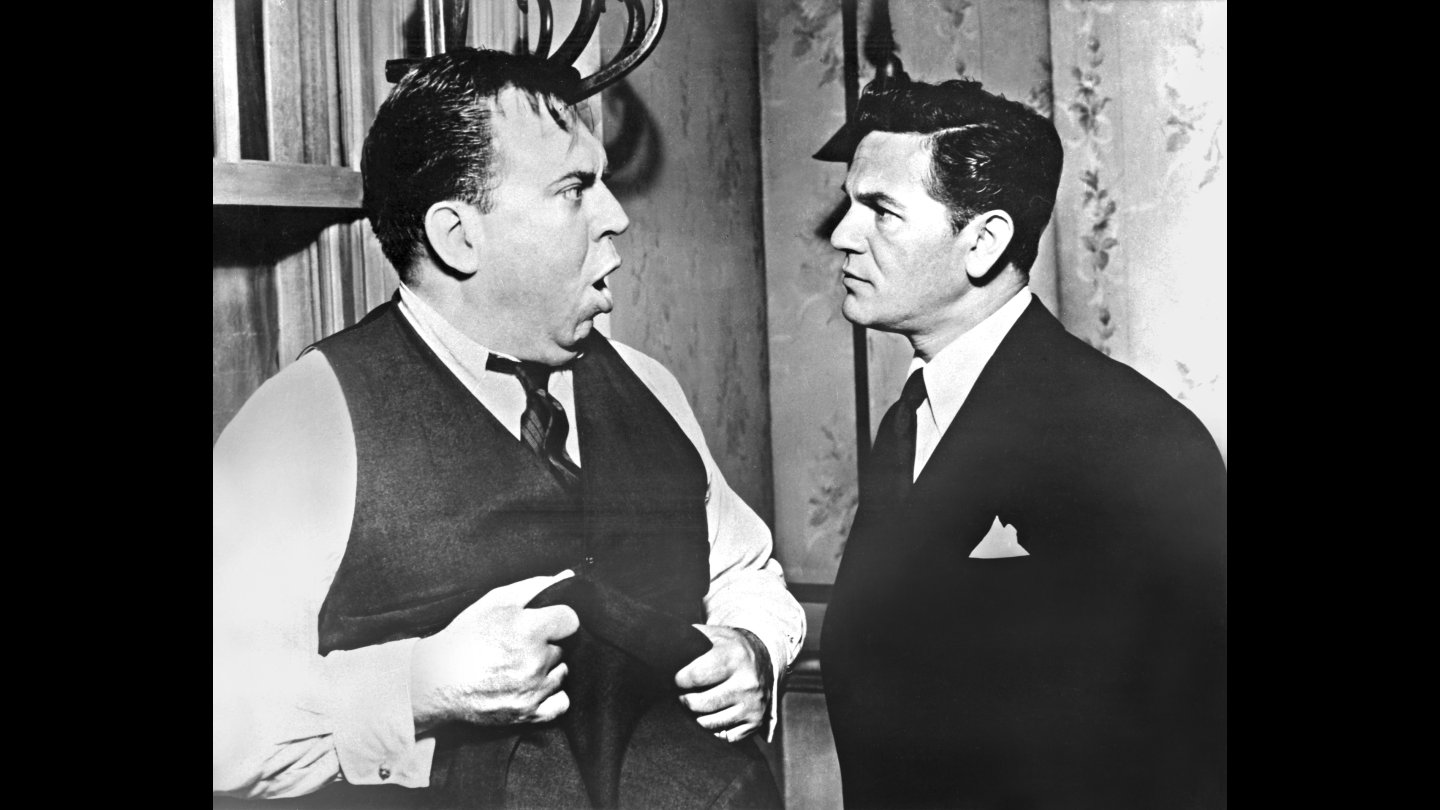
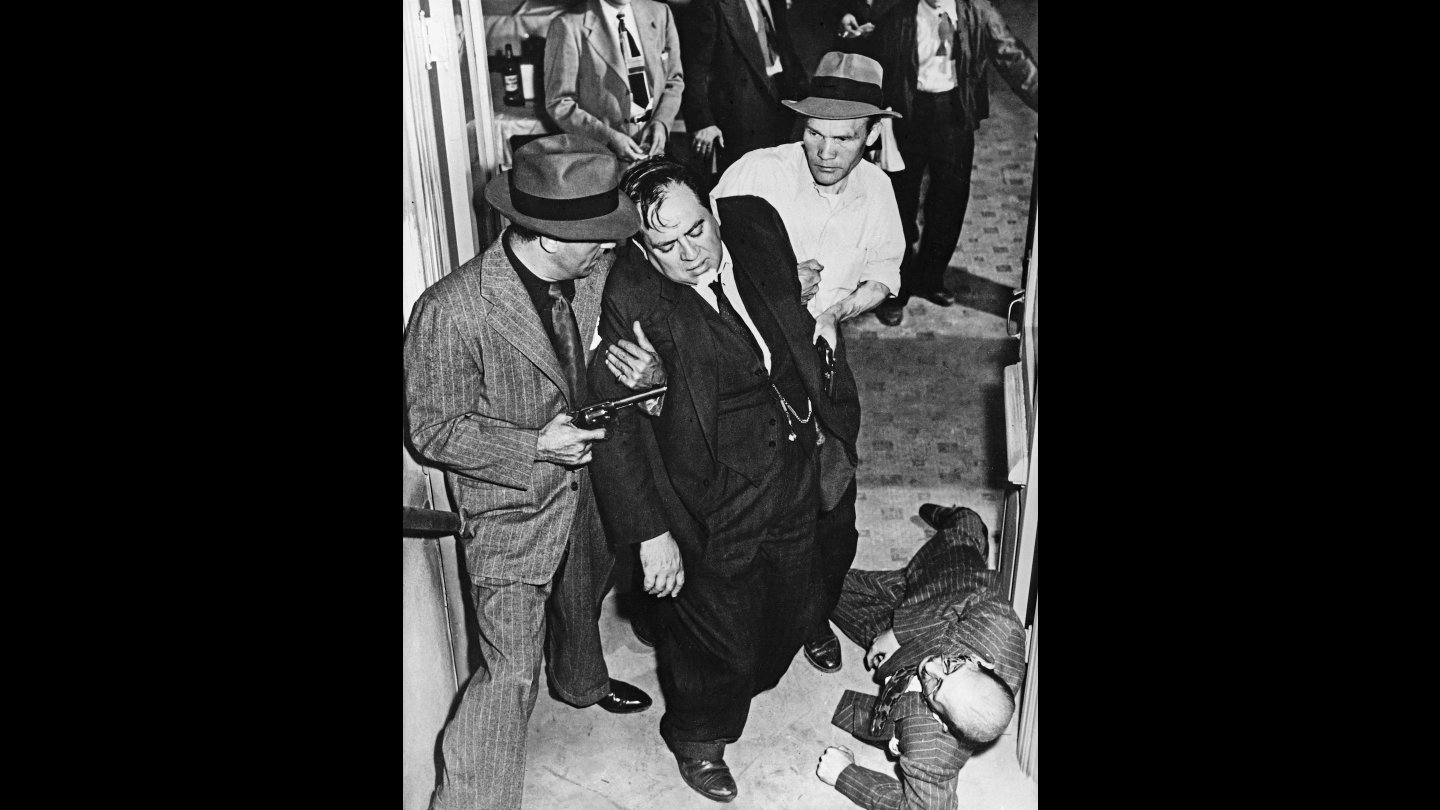
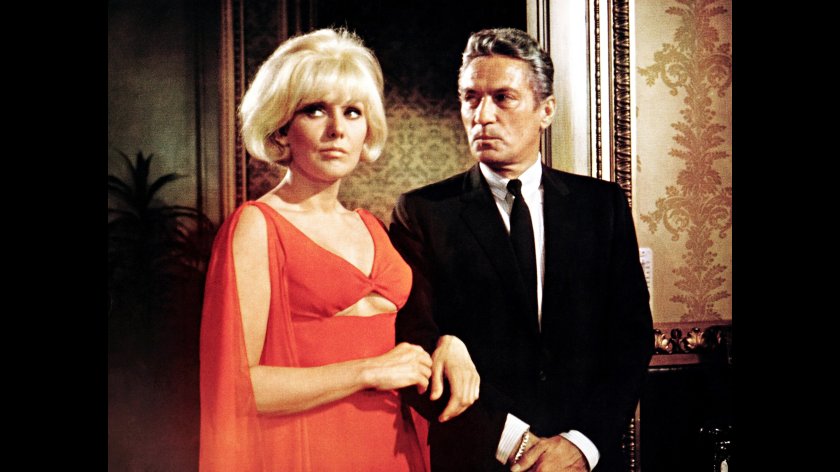
A subversive high point in the history of Hollywood. In his directorial debut, screenwriter Abraham Polonsky unceremoniously equates capitalism with crime and revolutionises the aesthetics of classical studio cinema, creating a noir narrative in images as melancholy as an Edward Hopper painting and dialogue as stylised as poetry. John Garfield plays Joe Morse, a gangster’s lawyer who made a name for himself in the credit trade and is now planning a major coup in the betting business, with small-time bookmakers, such as Joe’s brother, to be ruined as a result. An uncompromising film about what it means to live and survive in a corrupt world. Garfield died shortly afterwards, having become a target of the McCarthy-era communist witch-hunt; Polonsky was blacklisted by Hollywood and was unable to direct again until 1969. Yet the film influenced the entire gangster genre, all the way up to the films of Martin Scorsese. For assistant director Robert Aldrich, it became a major inspiration. Aldrich became one of Polonsky’s closest friends and identified strongly with his message in FORCE OF EVIL: “I probably will lose, but if winning means going along with that kind of system I’m not going to go along. And I think I have an outside chance of winning doing it my way.” (Christoph Huber)
Restored version from UCLA Film & Television Archive.
All retrospective films that will be shown at the Filmmuseum after the Viennale - from 04.11. - can of course also be reserved as usual at filmmuseum.at or by calling 01/533 70 54 and purchased at the box office of the Austrian Film Museum. The prices of the Austrian Film Museum apply.
- John Garfield
- Thomas Gomez
- Marie Windsor
- Beatrice Pearson
- Abraham Polonsky
- Ira Wolfert, adapted after Wolfert's novel "Tucker’s People"
- George Barnes
- Arthur Seid
- David Raksin