Biografía de Jorge Luis Borges (primera parte)
Life of Jorge Luis Borges (Part 1)
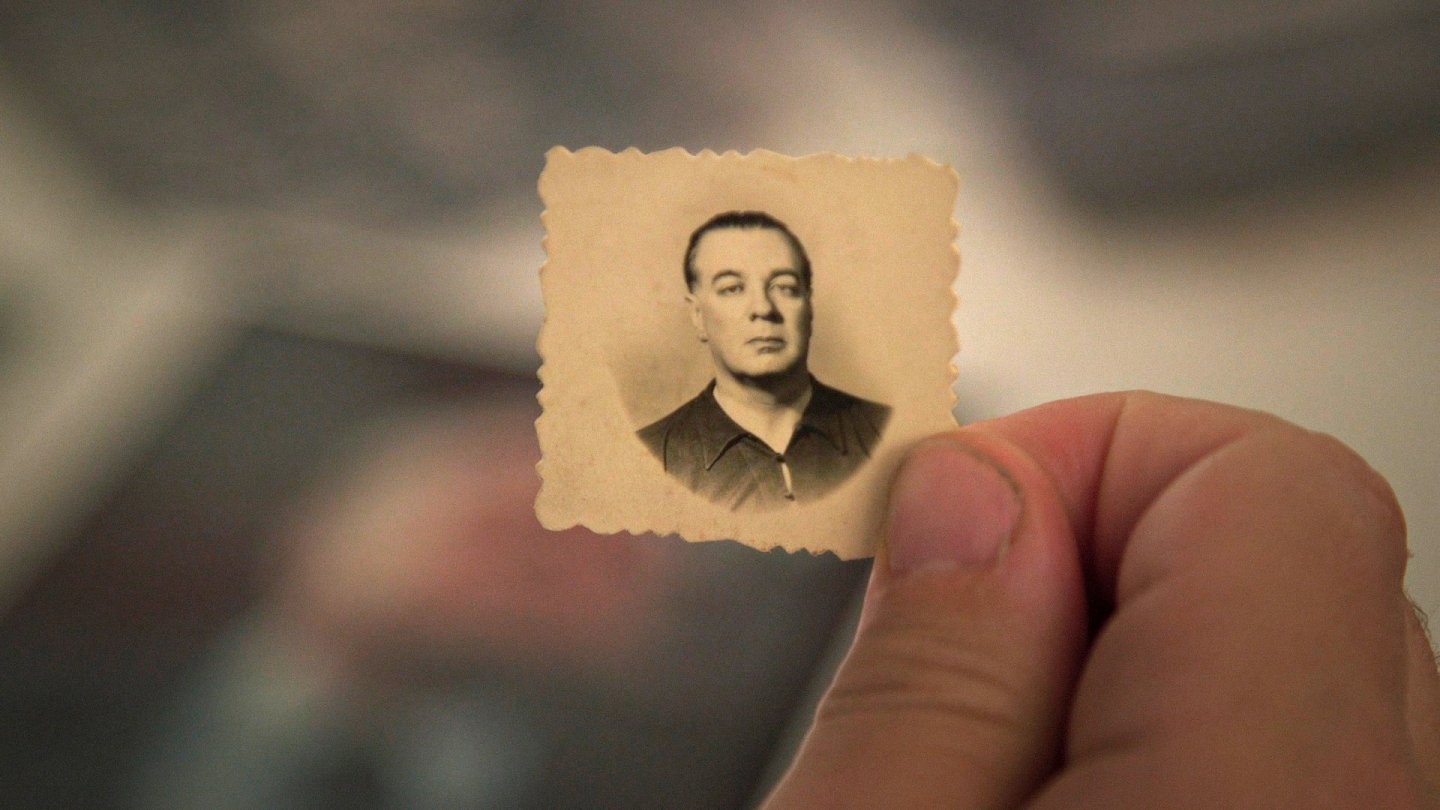
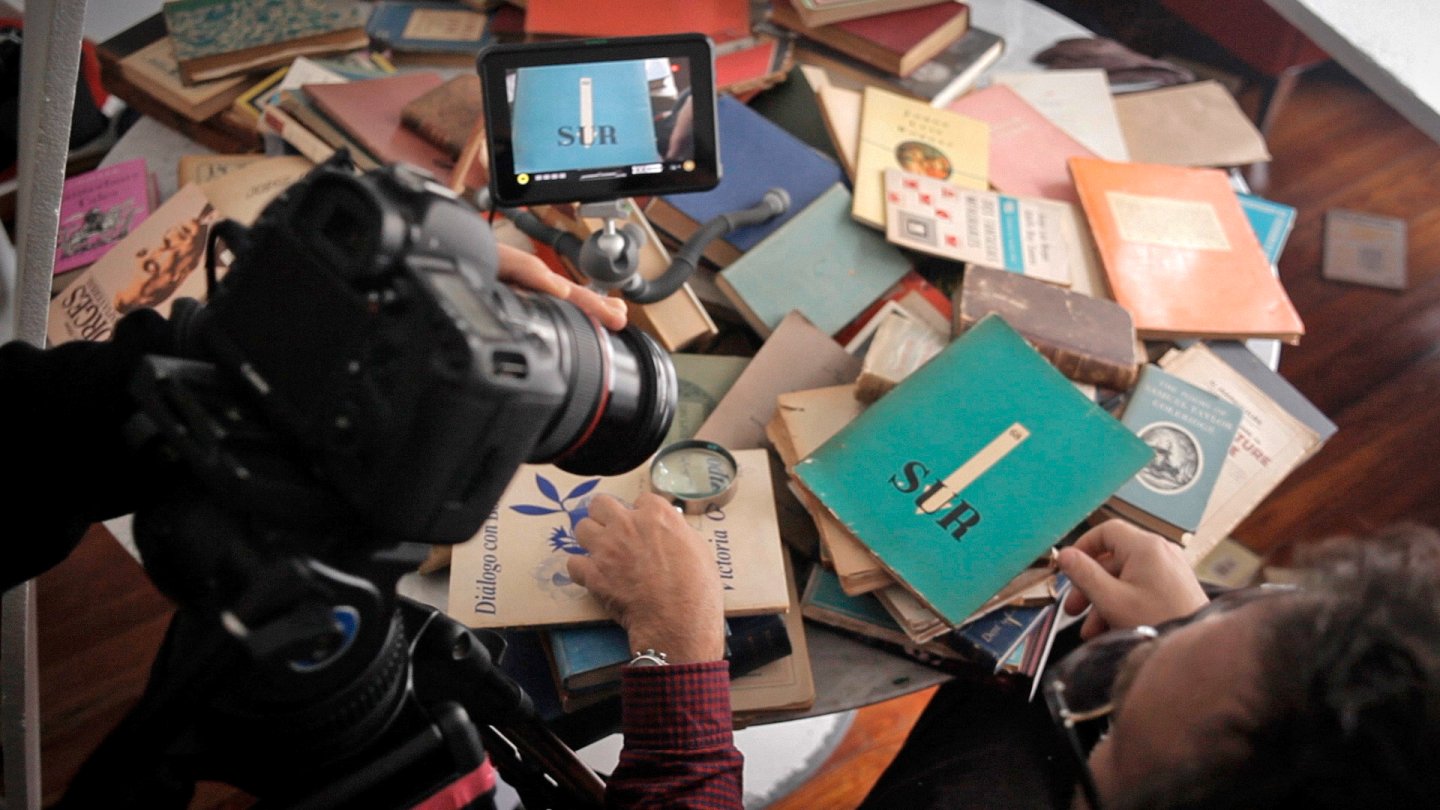
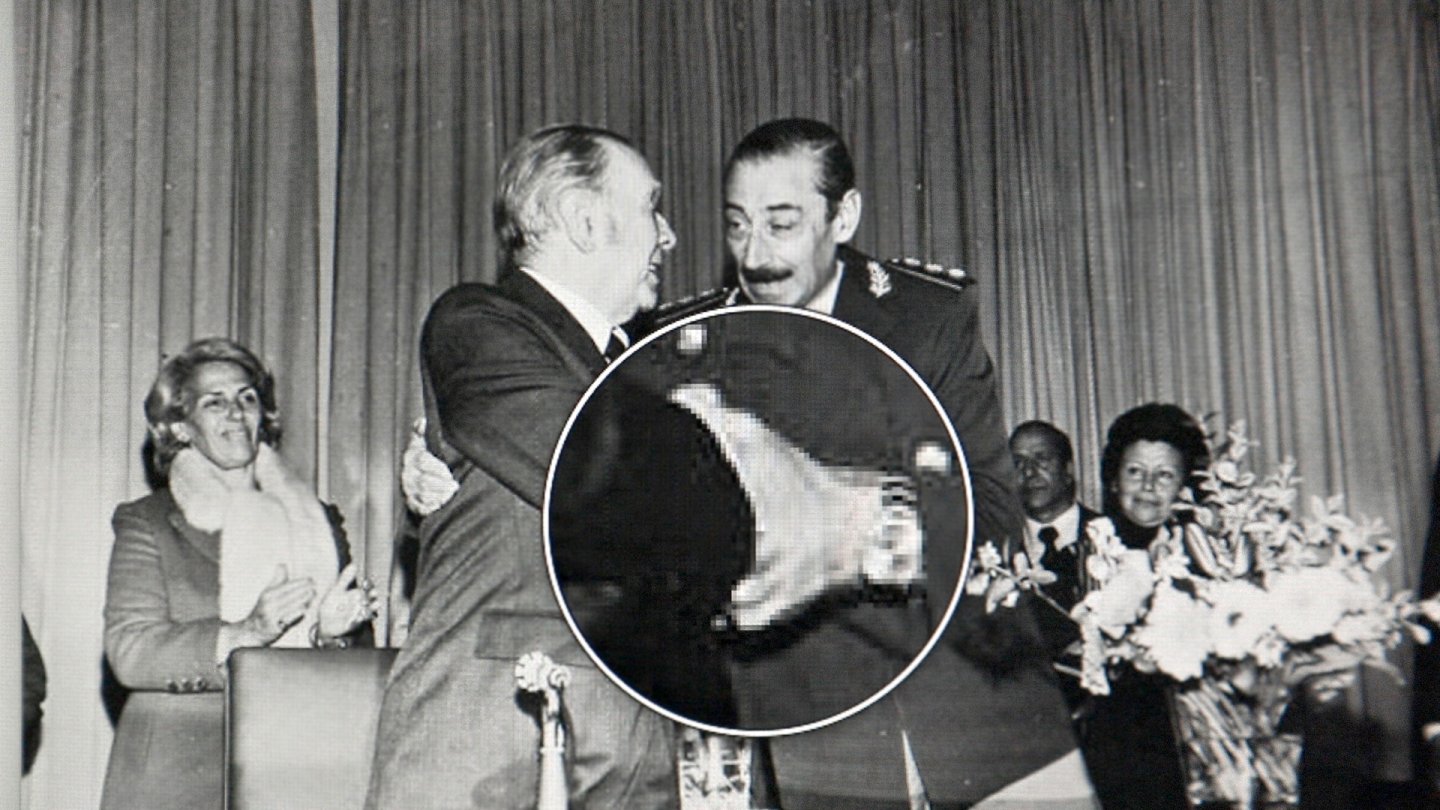
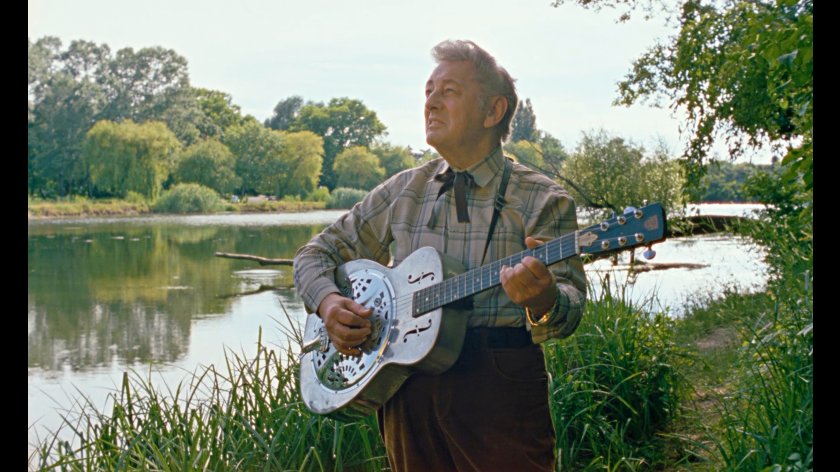
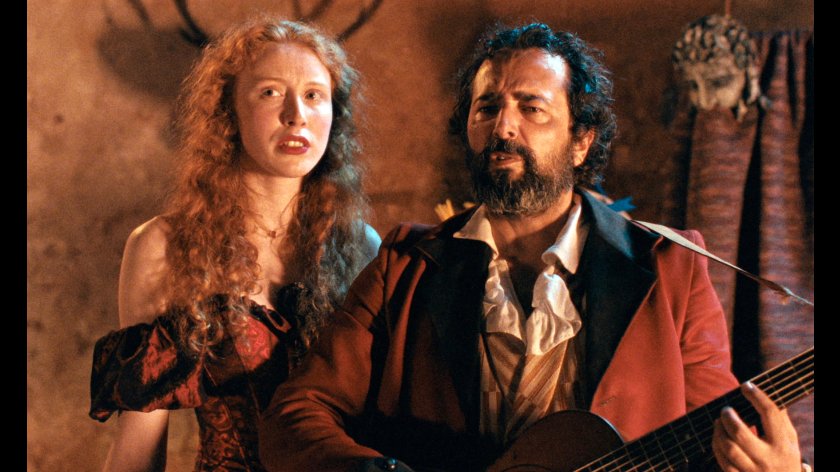
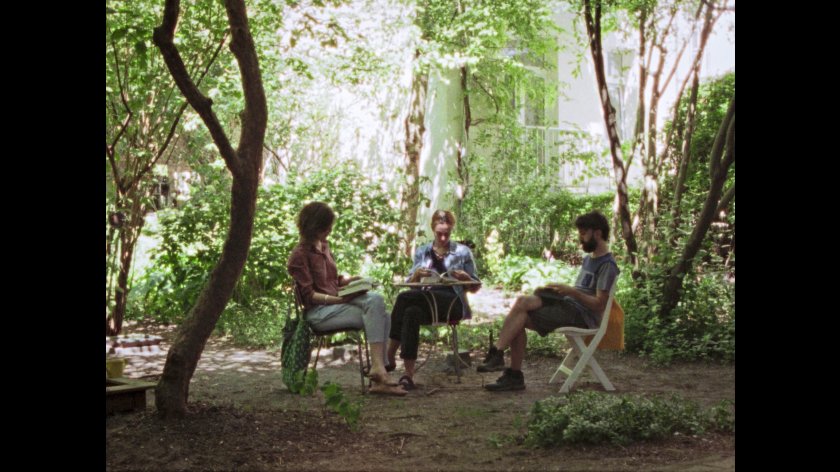
The Borges tradition is the same one Llinás has chosen to define his own filmmaking path: his cinema is the modest offshoot of an unfinished reading, an approach more shown than actually stated. The film starts with Borges’s childhood and carries us through to the middle of his life, when he is on the verge of publishing Ficciones, at this point no more than a secret moment of glory in the universal history of literature. Llinás’s method consists in finding encrypted figures within the texts, signs that might be read as biographical traces, almost as though Borges himself had left clues for a film script scattered across his work. Llinás films streets, buildings and landscapes; he travels to Switzerland and Uruguay; in New York, together with a Borges scholar (Ernesto Montequín, who emerges as the film’s true protagonist), he examines a collection of objects—manuscripts, drawings, postcards and photographs. These are the privileged materials with which Borges’s life is gradually delineated. The filmmaker’s voiceover guides the narrative’s distinctive cadence; in doing so, he always seems on the verge of revealing something momentous, as if everything were capable of turning into an episode in an extraordinary tale. (Roger Koza)
In the presence of Mariano Llinás.
Mariano Llinás: BALNEARIOS (2002), HISTORIAS EXTRAORDINARIAS (2008), TRES FÁBULAS DE VILLA OCAMPO (2011, K), LA FLOR (2018), CONCIERTO PARA LA BATALLA DE EL TALA (2021), CORSINI INTERPRETA A BLOMBERG Y MACIEL (2021), CLORINDO TESTA (2022), MONDONGO I: MONDONGO – EL EQUILIBRISTA (2024), MONDONGO II: RETRATO DE MONDONGO (2024), MONDONGO III: KUNST DER FARBE (2024)
- Mariano Llinás
- Ernesto Montequín
- Mariano Llinás
- Agustín Mendilaharzu
- Valeria Fernandez
- Federico Esquerro
- Ignacio Codino
- Gabriel Chwojnik
- Pablo Dacal
Luxbox