Open-Air Cinema in the Augarten
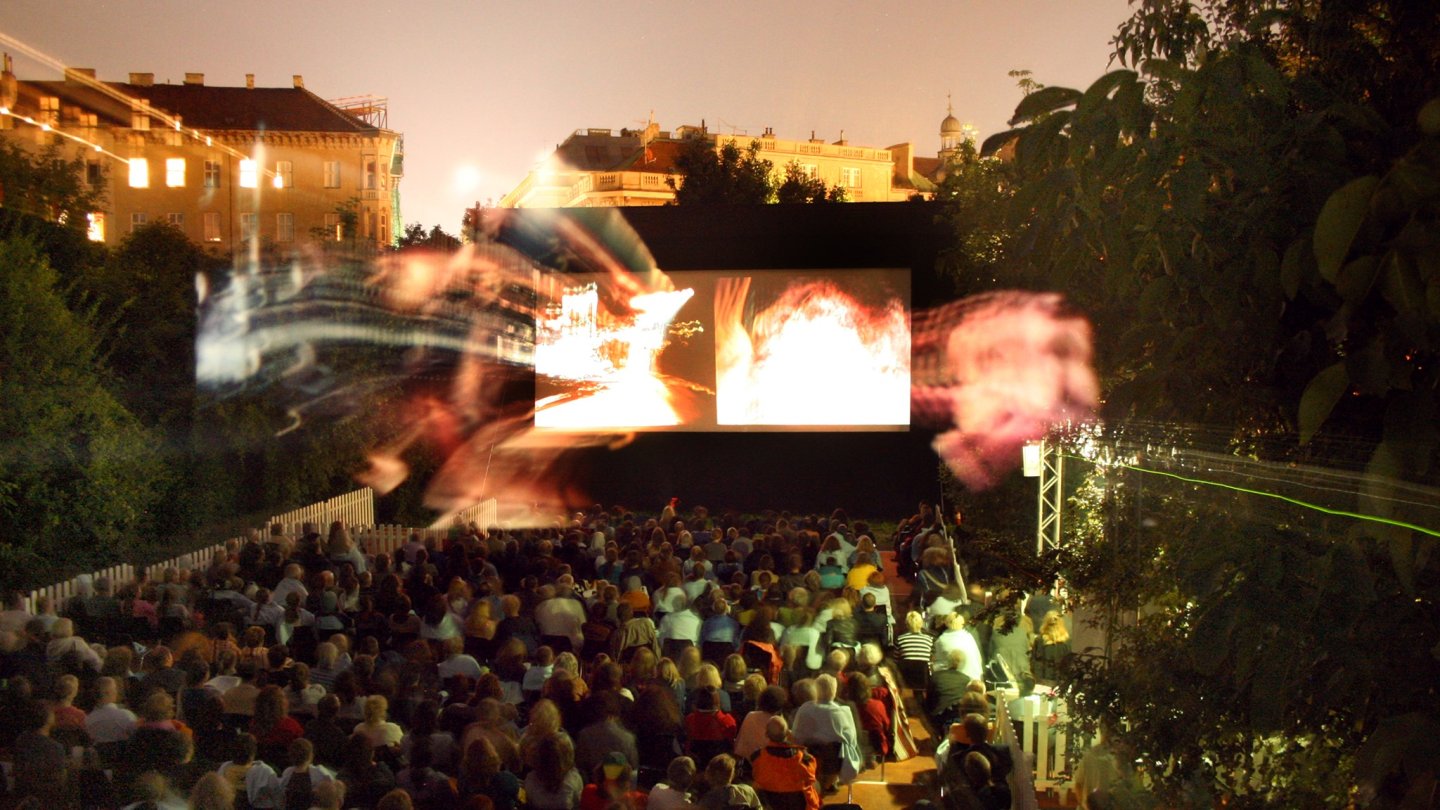
In summer 2026, the Filmarchiv Austria’s garden will once again become the setting for one of Vienna’s most atmospheric open-air cinemas: Kino wie noch nie. Nestled among trees, under the open sky and in the heart of the city, it offers special evenings of cinema—featuring classics, international highlights, and new discoveries.
The open-air cinema in the Augarten connects film culture with urban space and is a staple of Vienna’s summer film scene. Screenings take place outdoors and are repeated on the following two days at the Metro Kinokulturhaus.
Viennale Favorites 2026: Festival highlights under the open sky
In collaboration with the Filmarchiv Austria, the Viennale once again brings selected highlights from last year’s festival program back to the big screen as Viennale Favorites—presented as open-air screenings in Vienna.
Three films, three encounters with contemporary international cinema:
Sat, July 4, 9:30 pm
IT’S NEVER OVER, JEFF BUCKLEY
D: Amy Berg, USA 2025, 106 min, OV w/ German subtitles
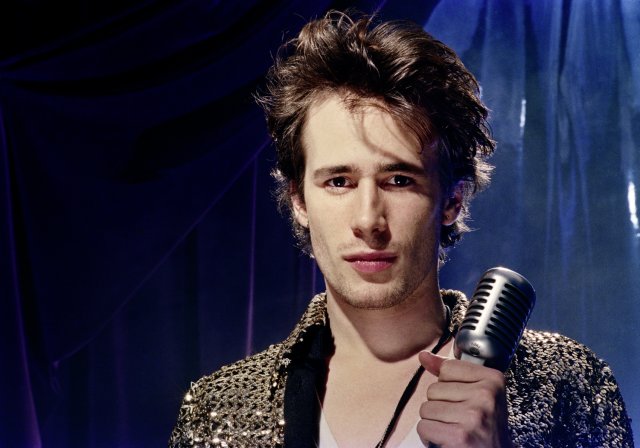
Jeff Buckley drowned on May 27th, 1997, the day his band arrived in Memphis to start recording his second album, marking the end to a promising career. With nearly two decades passed, Amy Berg tells his story with restraint, insight and emotion, using a chronological structure and access granted by those close to him. She interviews his mother, ex-partners, bandmembers and associates, and draws on photographs, messages and personal artifacts, weaving them with archival footage, soundbites and montage sequences.
As the film moves through his upbringing as the son of Tim Buckley, his first dabblings with music, his time in New York’s East Village and his rise to fame, a portrait of a unique talent comes into view that is as engaging and heartfelt as his music.
Wed, July 8, 9.30 pm
SORRY, BABY
D: Eva Victor, USA/ES/FR 2025, 103 min, OV w/ German subtitles
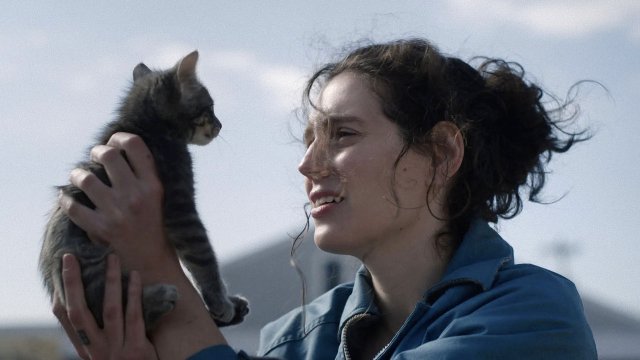
Comedian and actor Eva Victor’s feature debut doesn’t explore grief triggered by catastrophe like illness, death, or fate, but by an act of harm one person inflicts on another. When someone choses to do something to you against your will, what does everyday life look like afterwards? The film shows episodes in the life of Agnes over four years, one chapter per year. These episodes are concise, with a structure that functions according to its own logic. Time flows around these events, time for friendship, lovers, studying; time for work, encounters; time for sandwiches and wisdom. What feels masterful about SORRY, BABY is its ability to portray time with fluidity, delicate and free. Its grace lies in how it combines drama and comedy in a way that is awkward and beautiful. Agnes experiences terrible situations, seeing all that is strange and ridiculous. She also experiences everyday moments of tenderness as if they were a miracle.
Sat, July 11, 9.30 pm
NOUVELLE VAGUE
D: Richard Linklater, FR 2025, 105 min, OV w/ German subtitles
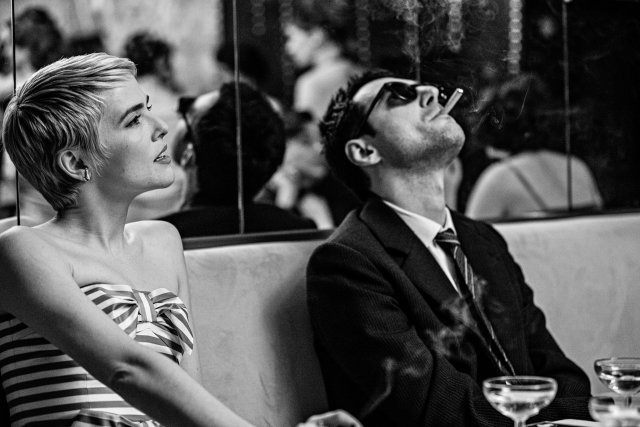
By 1959, everyone had already made their first film—except him. When he finally did, Jean-Luc Godard left a lasting imprint on the history of cinema, just like the other “young Turks” of the Cahiers du Cinéma. Linklater conjures up the period leading up to the shoot of À BOUT DE SOUFFLE (1960), the entire twenty days of filming, the first day in the editing suite, and the film’s initial private screening among close friends. How does one go about filming something of this sort? By dismantling the myth, favouring a playful approach and concentrating on the sheer pleasure of filmmaking. The method is straightforward: to imagine the off-screen spaces of those indelible scenes, to render the Cahiers stars (the casting is superb) as warm, generous characters and to foreground the emotional currents that ran between them all. When JLG tells Georges de Beauregard he could only work with a producer who was also a friend, the film is also quietly declaring its own ethos: friendship is Linklater’s great affective utopia. This is the emotional prism through which he reimagines the preparations for this iconic debut film, without ever neglecting the precise framings that honour JLG’s directorial decisions. (Roger Koza)
Sun, July 26, 9.30 pm
THE MASTERMIND
D: Kelly Reichardt, USA 2025, 110 min, OV w/ German subtitles
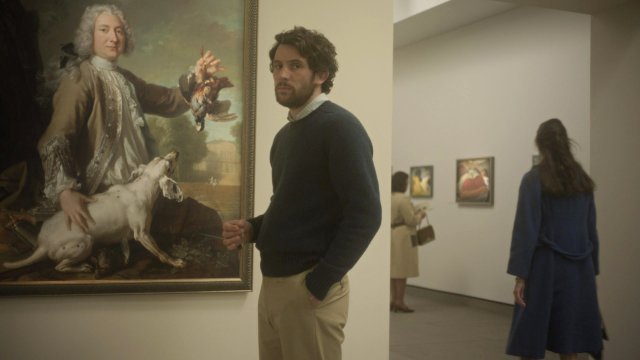
Given Kelly Reichardt’s penchant for playing with genre, it comes as no surprise that the heist at the heart of THE MASTERMIND unfolds in unusually breezy, even comical fashion. To Rob Mazurek’s toe-tapping jazz soundtrack, unemployed family father James Blaine Mooney (Josh O’Connor) and his two incompetent accomplices liberate four abstract paintings from a provincial Massachusetts art museum in the autumn of 1970, a period captured in all its wan, scruffy beauty by cinematographer Christopher Blauvelt. Yet once the deed is done, the chords become jittery and the mood turns ever more wintry, for Mooney’s lackadaisical approach to crime still carries very real consequences. As the bumbling, solipsistic criminal leaves behind his wife (Alana Haim) and children to avoid apprehension, tensions simmer in the country he wanders through: an unjust war, university occupations and police violence; some things never change. Like so many of Reichardt’s inscrutable protagonists, Mooney is entirely out of step with the US status quo, even as his wanderings also reveal its fault lines and contradictions. As the world outside goes up in flames once again, what could be more American than a self-absorbed “mastermind” who didn’t think things through? (James Lattimer)
Sun, August 2, 9 pm
EOJJEOL SUGA EOPDA (NO OTHER CHOICE)
R: Park Chan-wook, Südkorea 2025, 139 min, OmdU
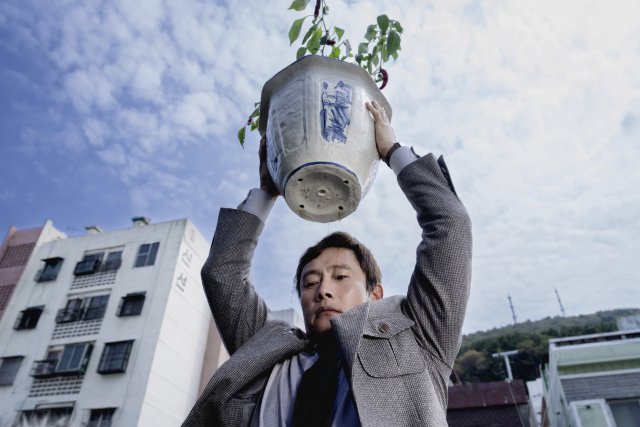
When Man-su, a paper manufacturing specialist with a model nuclear family, is axed from his post after 25 years in the industry, he vows to find an equivalent position by the next quarter. Instead, the fall from grace seems unending: a year spent in interview limbo, group counselling for sacked middle-aged men, the impending foreclosure of his woodland home. As he progressively devolves into one of Park Chan-wook’s signature tortured talismans, Man-su devises a baffling plan to lure in and dispose of his foremost competitors, leaving him the last papermaker standing. With a greenhouse of gardening supplies, a bevy of annotated resumes and an army pistol, his strange and meticulous methods cut and fold flesh like paper. After adapting Sarah Waters’ 2005 Fingersmith into AH-GA-SSI in 2016, Park once again elevates and transposes a celebrated Western crime novel onto South Korean soil, this time with the 1997 American horror-thriller The Ax by Donald Westlake. The winding literary scheme of EOJJEOL SUGA EOPDA is fortified by Park’s steely gaze, which manages to mount blistering critiques of ecocide and industrialism, and crafts absurd, grisly comedic beats sure to make an indelible mark on the screen. (Saffron Maeve)
Wed, August 5, 9 pm
THE HISTORY OF SOUND
D: Oliver Hermanus, USA 2025, 129 min, OV w/ German subtitles
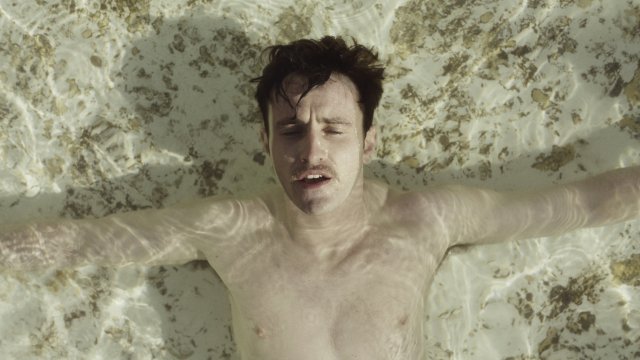
Following LIVING, Oliver Hermanus joins writer Ben Shattuck to portray two men whose shared love for American folk music shapes their intimacy. Lionel leaves Kentucky for Boston Conservatory, where he meets David before World War I.
After the war, they collect songs together, their bond shaped by trauma and differing perspectives, before drifting apart. Years later, Lionel remains haunted.
An enveloping soundscape and sepia tones frame THE HISTORY OF SOUND as a reflection on expression and what must be fought for.
Venues – Kino wie noch nie 2026
Open Air Augarten
Garden of the Filmarchiv Austria
Obere Augartenstrasse 1e, 1020 Vienna
June 25 to July 29: screenings at 9:30 pm
July 30 to August 30: screenings at 9 pm
Metro Kinokulturhaus (repeat screenings on the following two days)
Johannesgasse 4, 1010 Vienna
Tickets
Online ticket purchase at filmarchiv.at, at the open-air cinema box office (from 25 June), and daily from 2 PM at the METRO Kinokulturhaus.