Tú me abrasas
You Burn Me
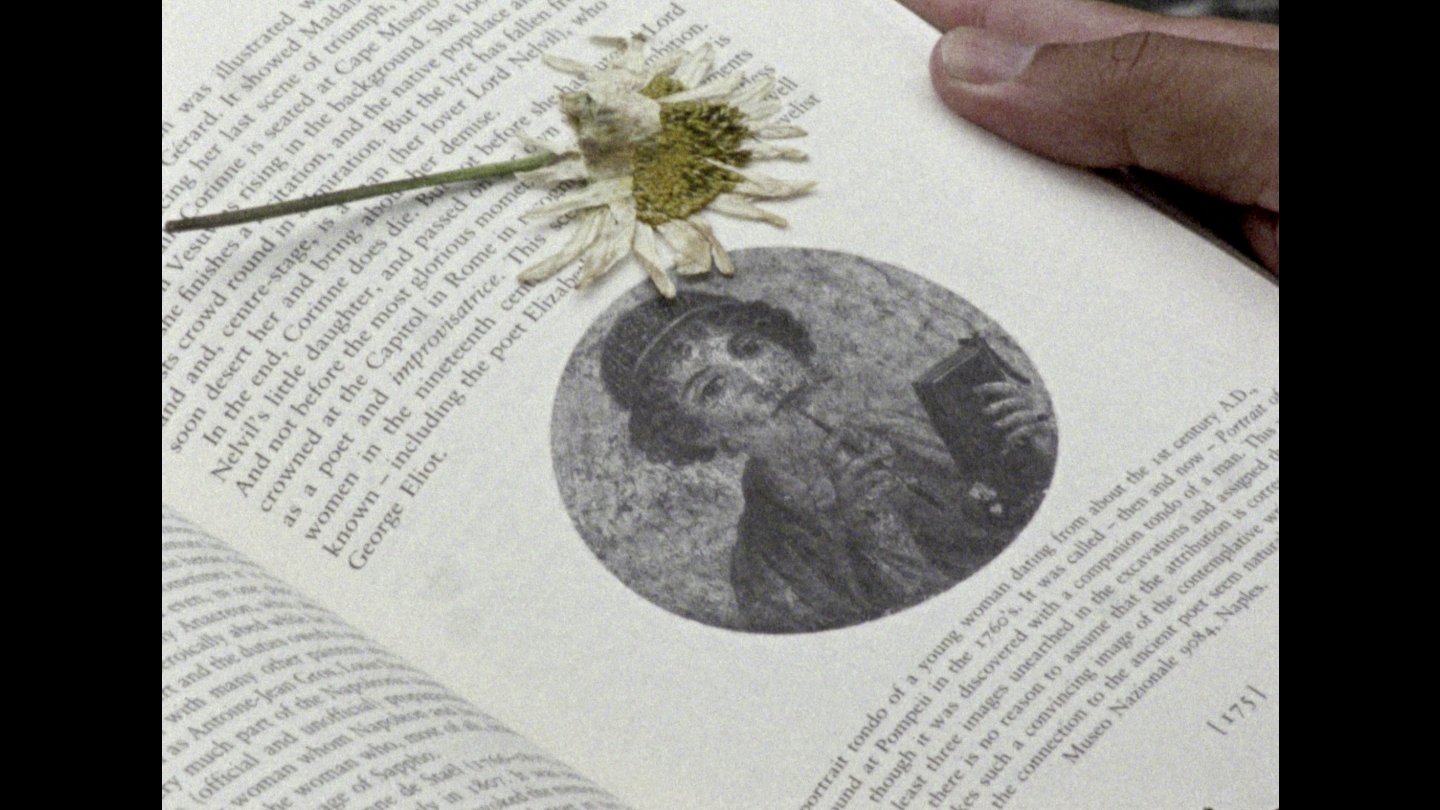
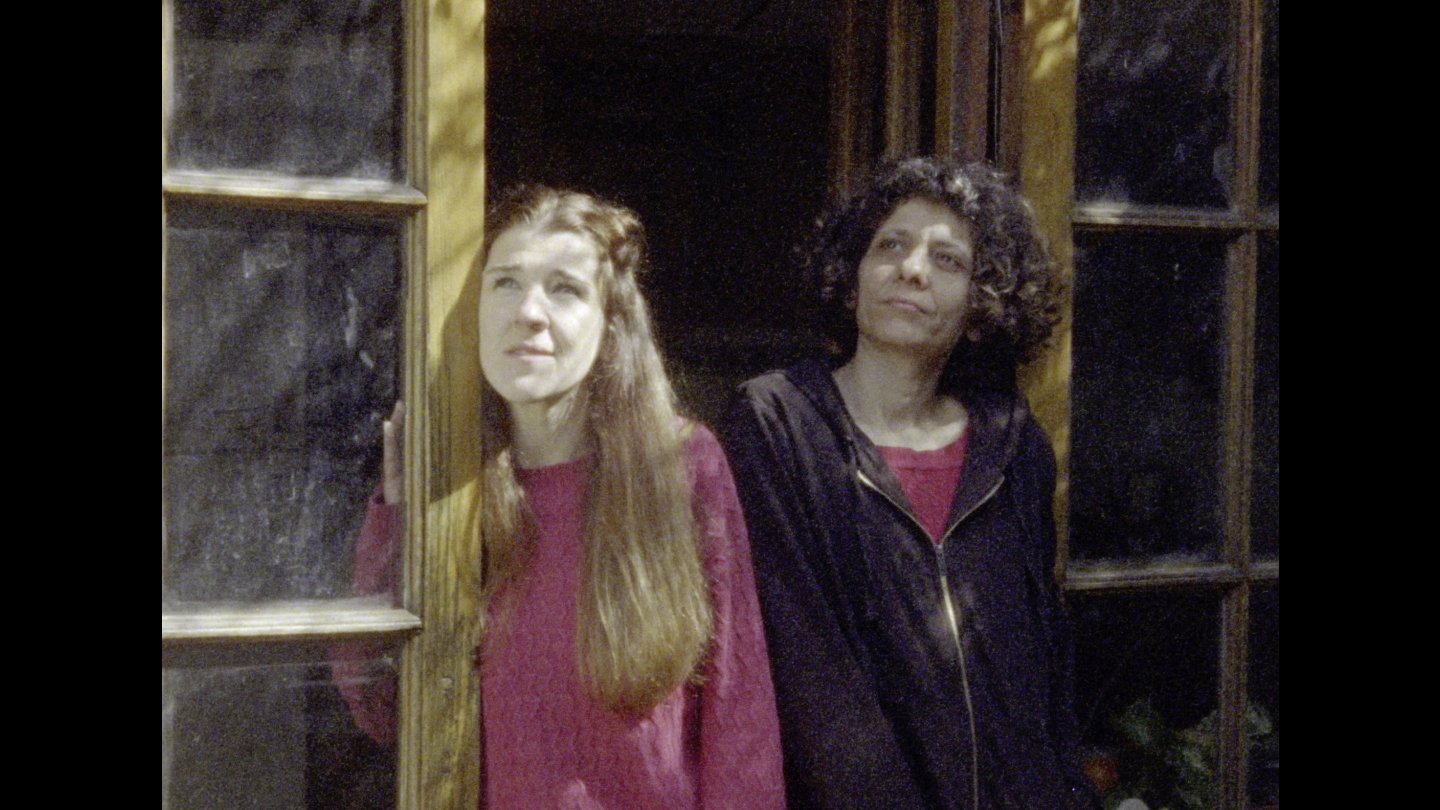

In Matías Piñeiro’s first two films, his chosen literary inspiration was Domingo Faustino Sarmiento; in his later ones it was William Shakespeare. With TÚ ME ABRASAS it is Cesare Pavese, and through him the Greek poet Sappho of Lesbos, as well as Alfonsina Storni and Natalia Ginzburg. The various quotations and verses from their works constitute the film’s discursive material, with phrases read by actresses rehearsing a yet-to-be-filmed passage from Pavese’s Dialoghi con Leucò, while salient lines are highlighted on the page. Two ideas exist at the heart of the film: locating the grammar of desire, and the best way to film poetic thought—or to translate verse into a film shot. Piñeiro slots into a recognisable tradition here, that of Straub-Huillet, but also employs his own voice to conduct a playful enquiry into how to film a poem, an isolated statement, a paragraph. All the filmmaker needs are landscapes and performers to stage a happy meeting between cinema and literature, recognising both the differences between the mediums as well as their areas of intersection, as when he breaks down a poem into syllables and synchronises them cuts between individual shots. (Roger Koza).
Matías Piñeiro: EL HOMBRE ROBADO (2007), TODOS MIENTEN (2009), ROSALINDA (2010), VIOLA (2012), LA PRINCESA DE FRANCIA (2014), HERMIA & HELENA (2016), ISABELLA (2020), SYCORAX (2021, K, CO-DIRECTOR)
- Gabi Saidon
- María Villar
- María Inês Gonçalves
- Agustina Muñoz
- Matías Piñeiro
- Tomás Paula Marques
- Matías Piñeiro
- Mercedes Gaviria
- Gerard Borràs
- Gabi Saidon
- María Villar
Películas Mirando el Techo