A passagem do cometa
The Passage of the Comet


There is no shortage of space travel in recent Brazilian cinema. The most austere example of this tendency is NASCEMOS HOJE, QUANDO O CÉU ESTAVA CARREGADO DE FERRO E VENENO, a film that deliberately preserves the amateur spirit that most filmmakers abandon. The freedom that Rojas expresses in 20 minutes is scarce in contemporary cinema, as is the wit with which she is able to stage the desire for space travel and its fulfilment. In addition to this journey to the stars there are three musical themes, whose beautiful melodies may lack the orchestration of a symphony, but only need an electronic drum machine and a few chords to ensure voices don’t sing in complete solitude. Everything begins when a young woman presents her film proposal to the advertising company where she works and is refused financing. This small humiliation sparks her imagination, which is more than capable of conjuring up the meagre budget to make a film about a girl unable to make her film.
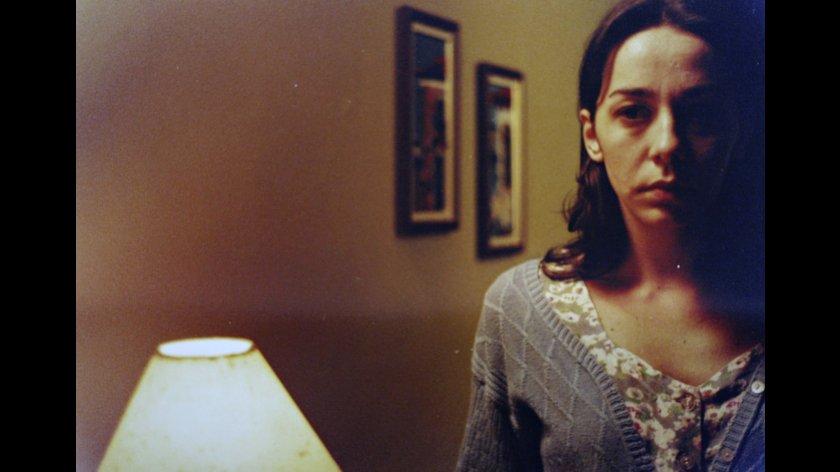
The cosmos is once again present in A PASSAGEM DO COMETA. The imminent passage of Halley’s Comet in 1986, the year in which the film is set, is the criterion for measuring legislative slowness and the considerable time that the collective conscience needs to accept the legalisation of abortion. What will have happened by 2066, when the comet passes again, regarding women’s rights? The question is indirect, but impossible to ignore, all the more so given that the entire story is limited to the last abortion that a doctor clandestinely performs in her ofce. Over just a few minutes, one comes to understand how scandalous and hypocritical the illegality of the surgical intervention is, because the brief time spent by the protagonist on the stretcher summons forth ghosts that would haunt any woman in such circumstances. Here too, Rojas includes a musical theme, which gives rise to a small animation, tingeing the anguish with sweetness.
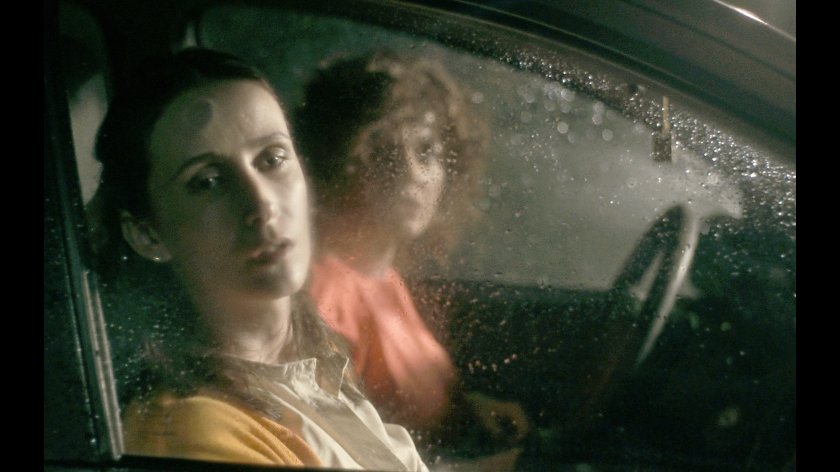
O DUPLO is a metaphysical fantasy that also outlines the power relationship that exists between children and teachers. The protagonist teaches mathematics, and her students do not respect her. What may seem like a portrait of power dynamics in an educational institution actually produces in a diferent portrait, one of growing alienation. The question of the double always gives rise to a fantasy that rests on the contingency of identity and how its autonomy can be all too easily altered. In O DUPLO, the distress that stems from knowing you’ve been being duplicated is codified as horror. Here too, the geometrically composed shots place the character and her doppelgänger in space with wonderful specificity and afrm the rhetorical importance of framing. (Roger Koza)
In the presence of Juliana Rojas.
- Helena Albergaria
- Mariza Junqueira
- Gilda Nomacce
- Juliana Rojas
- Alice Andrade Drummond
- Beatriz Pomar