Paria
Pariah


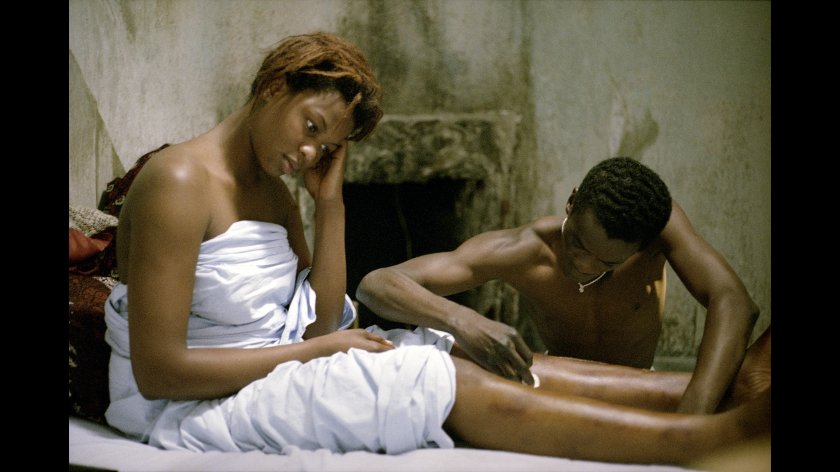
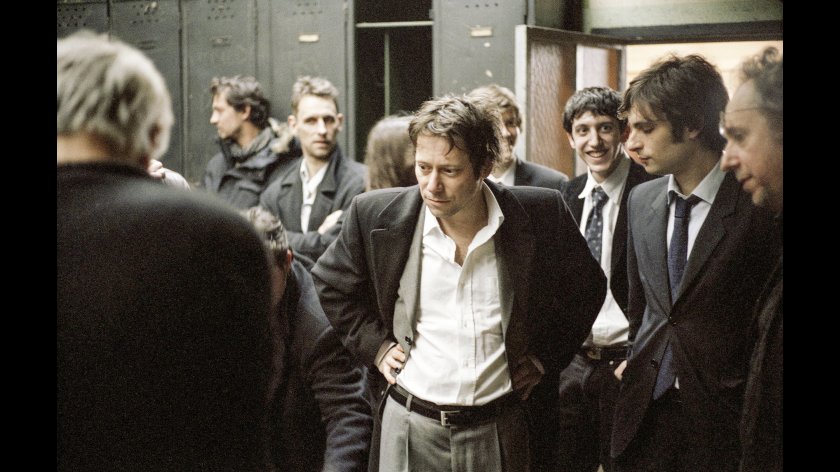
On a pickup bus bringing a group of homeless people to an overnight shelter on the outskirts of Paris, a young man claims he doesn’t belong there. But with everyone starting to count down the seconds to the year 2000, nobody pays attention to what could just be a burst of pride. What actually happened to Victor? A flashback explains how a swift combination of circumstances akin to a bad spell turned him into an anti-Cinderella facing the dawn of a new millennium. An even more unfortunate young man soon initiates him into a nocturnal underworld, populated by all those our societies reject. In an essay about the film, the late philosopher Jean-Luc Nancy reminded us how everything is done to make these bodies presentable for a single day—allowing them to be “looked at, but not touched”—unless one shares their fate for a moment. Although Victor’s fate can be reversed, he’s still getting a taste of what it means to be a pariah, or an untouchable, and he won’t be able to shy away from the sight and the smell of a gangrenous foot. Shot by Hélène Louvart with a mini-DV camera which creates complicity with a cast of professionals and non-professionals alike, PARIA is undoubtedly Nicolas Klotz’s first major fictional work. (Antoine Thirion)
In the presence of Nicolas Klotz and Elisabeth Perceval.
Elisabeth Perceval, Nicolas Klotz: PARIA (2000), LA BLESSURE (2004), LA QUESTION HUMAINE (2007), LOW LIFE (2011), L’HÉROÏQUE LANDE (2017), FUGITIF OÙ COURS-TU ? (2018), SAXIFRAGES, QUATRE NUITS BLANCHES (2021)
- Cyril Troley
- Gérald Thomassin
- Didier Berestetsky
- Aristide Delmonico
- Elisabeth Perceval
- Hélène Louvart
- Rose-Marie Lausson
- Bard Mehldau