Krakatoa
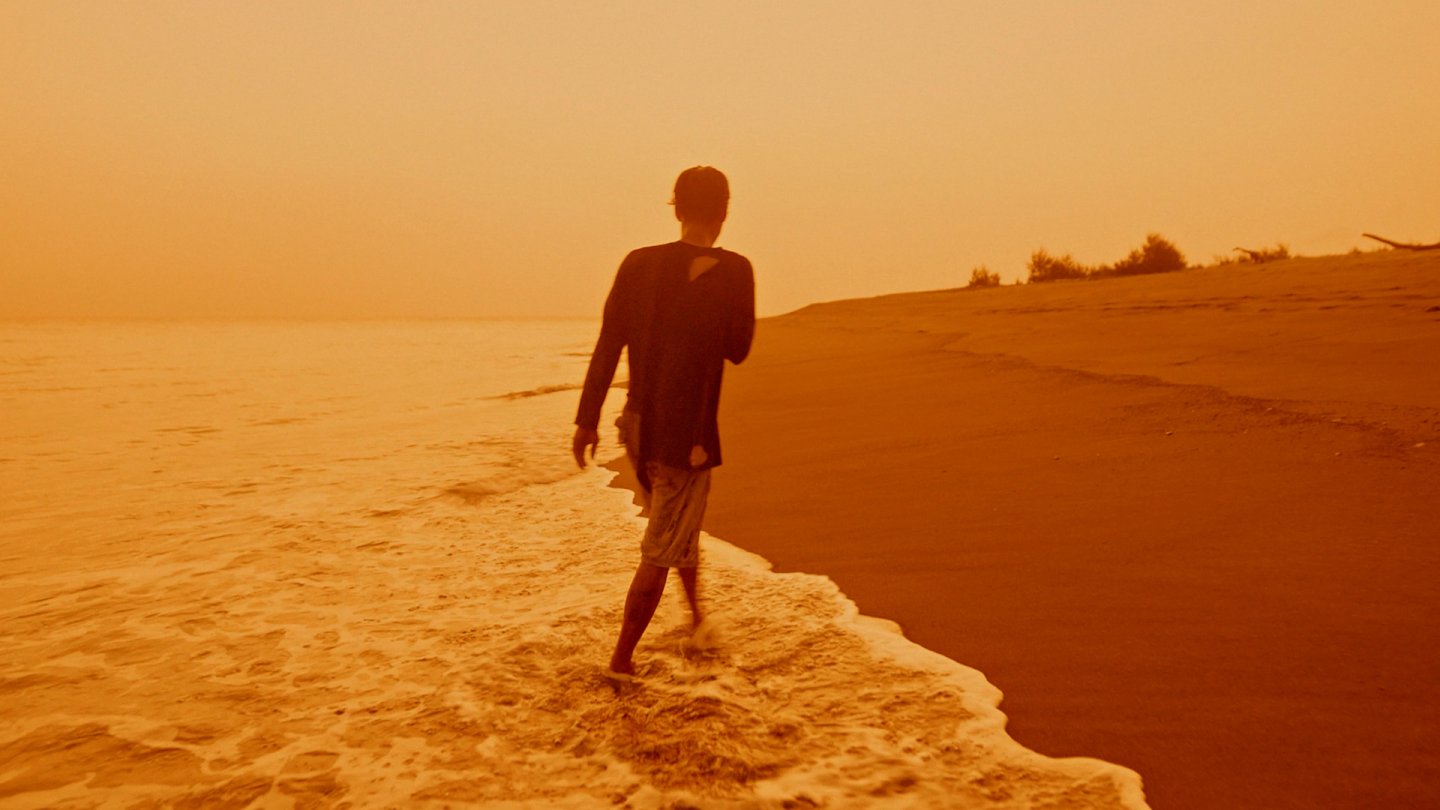
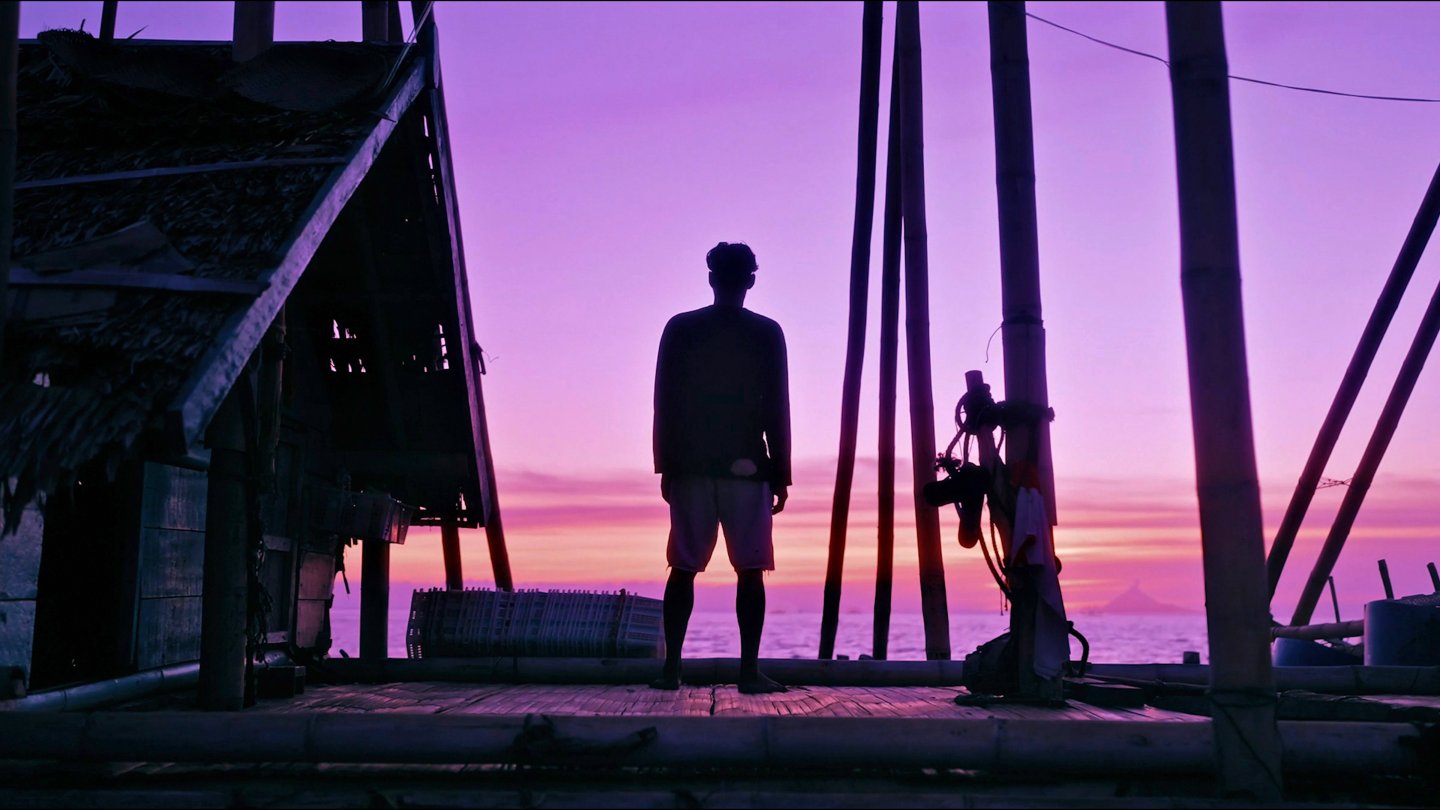
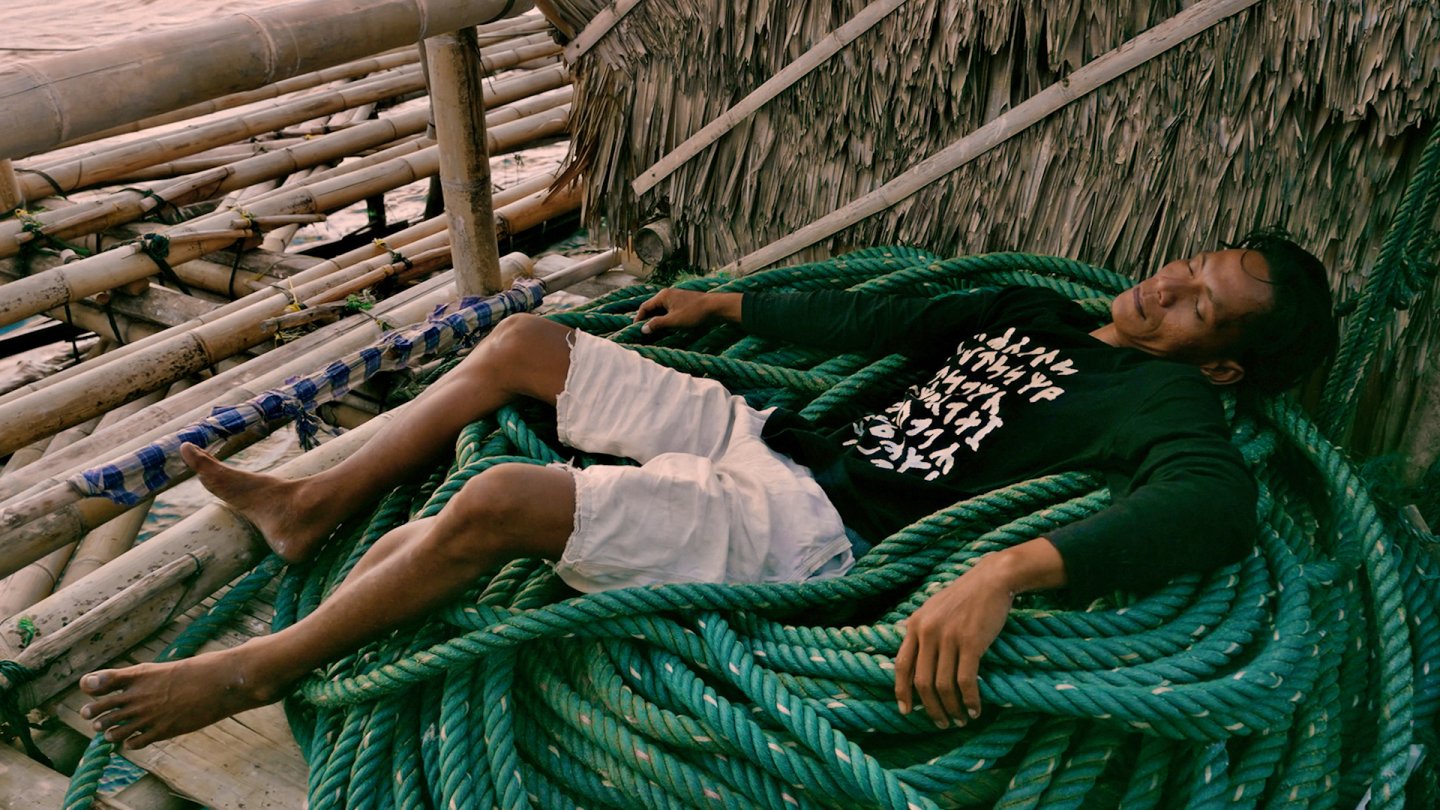
On one level, this is just a film about a lonely fisherman, a boat and a volcano. But it is also so much more: it is a journey through the history of Planet Earth in which science, ethnocentrism, and human knowledge surrender to the vastness of nature. Yet it is equally a story of images and cinema itself, starting with the darkest of nights, passing through the role of pictures as record, and finally getting carried away by the cinema as a transcendent experience. It’s the Lumière brothers, it’s Jean Rouch, it’s Ken Jacobs. Starting from what is supposed to be the most extreme sound that human beings have known—the explosion caused by the eruption of Krakatoa in Indonesia in 1883—Carlos Casas takes his exploration of the possibilities of cinema to the limit: fearlessly embracing references as disparate as the speculative-scientific fictions of Jules Verne, the quasi-mystical cinema of Apichatpong Weerasethakul (it’s difficult not to think of his Fever Room performance while watching Casas’s film), experimental ethnography and expanded cinema, KRAKATOA proposes a sensory journey which becomes one with the viewer’s whole body. KRAKATOA is not seen in the classical sense, but rather experienced. (Gonzalo de Pedro Amatria)
In the presence of Carlos Casas and Beli Martínez (production).
With the kind support of Accion Cultural Española.
Carlos Casas: AFTERWORDS (2000, K, KO-REGIE), PATAGONIA, LONELINESS AT THE END OF THE WORLD (2002, K, KO-REGIE), ROCINHA: DAYLIGHT OF A FAVELA (2003, K), ARAL: FISHING IN AN INVISIBLE SEA (2004, K, KO-REGIE), SOLEDAD AL FIN DEL MUNDO (2006, K, KO-REGIE), HUNTERS SINCE THE BEGINNING OF TIME (2008), AVALANCHE (2009, K, KO-REGIE), CEMETERY (2019)
- Roni Herliansyah
- Carlos Casas
- Benjamín Echazarreta
- Nicolas Becker
- Felipe Guerrero
- Nicolas Becker
Gargantua