Heil Jupiter!

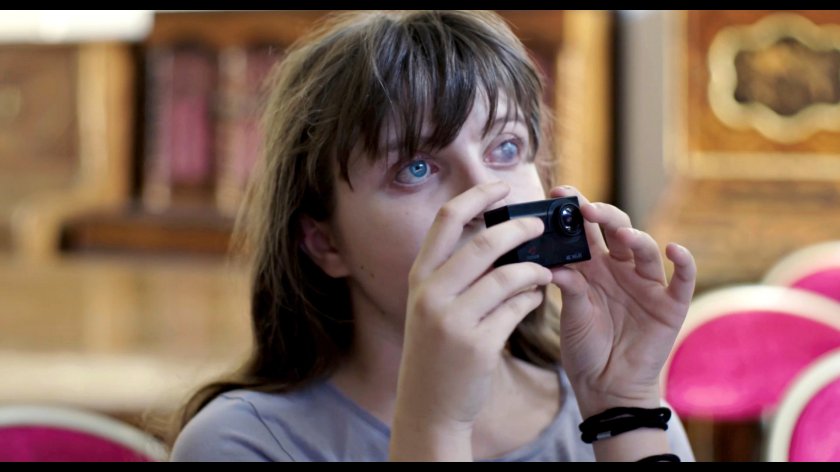
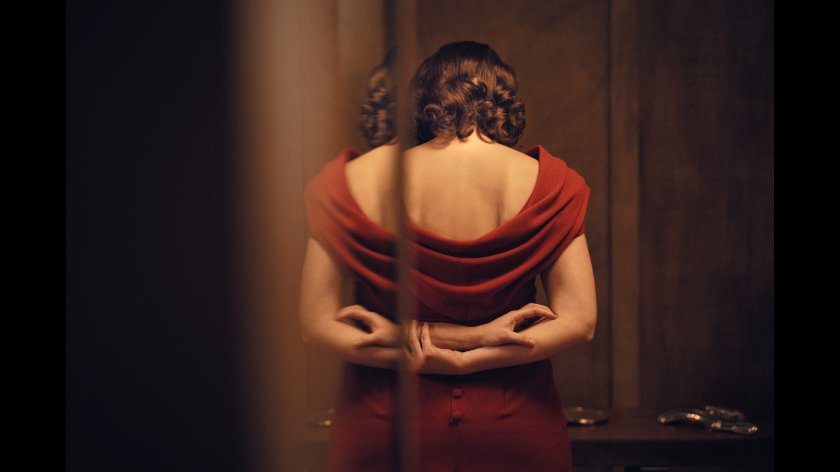
At times the characters speak Spanish, at others Polish, but the dominant language here is pure invention. Neither Volapük nor Esperanto: while enjoying the sea and having sex, two women and two men speak a language used nowhere but in this unclassifiable tale, which is devoid of a central conflict and propelled by emotional rather than narrative progression. The invention of another language is not merely a plot within the film; it is constitutive of it. Carlos Reygadas attempts the impossible here: to give birth to a cinematic singularity. He begins with colour and sound, and from there ventures into filming the sea, the human body, fires, rituals, a schism, societies of control and their punishments, in an organic compendium of heterogeneous scenes that includes two female characters who enjoy painting snow-covered mountains in old age, but may also inhabit parallel worlds and disparate geographies, their youth a less fortunate era. We are told here that “life rewards the brave.” Reygadas risks everything: a cosmic journey begins in a character’s anal opening and culminates in a majestic fire. The pronounced peripheral aberrations in the images are the least strange thing about the film, for the attempt here is to change the very rules of cinema. (Roger Koza)
Carlos Reygadas: ADULTE (1998, K), PRISONNIERS (1999, K), OISEAUX (1999, K), MAXHUMAIN (1999, K), JAPÓN (2002), BATALLA EN EL CIELO (2005), STELLET LICHT (2007), SERENGHETTI (2009, K), ESTE ES MI REINO (2010, K), POST TENEBRAS LUX (2012), NUESTRO TIEMPO (2018)
- Neli de la Rosa
- Alexis Sánchez Alonso
- Flor de León
- Alexis Said Villa de León
- Carlos Reygadas
- Daniel Valdés Serrano
- Carlos Reygadas
- Zuzanna Solakiewicz
- Sofía Garduño
MK2 Films