Der Engel mit der Posaune
The Angel with a Trumpet

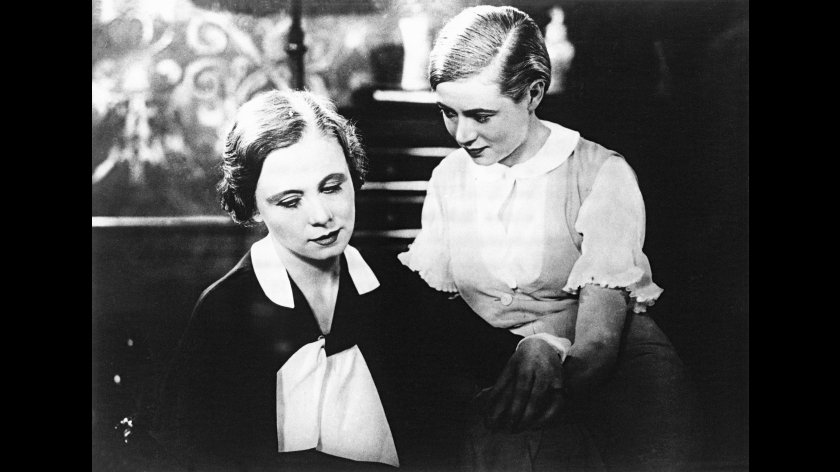
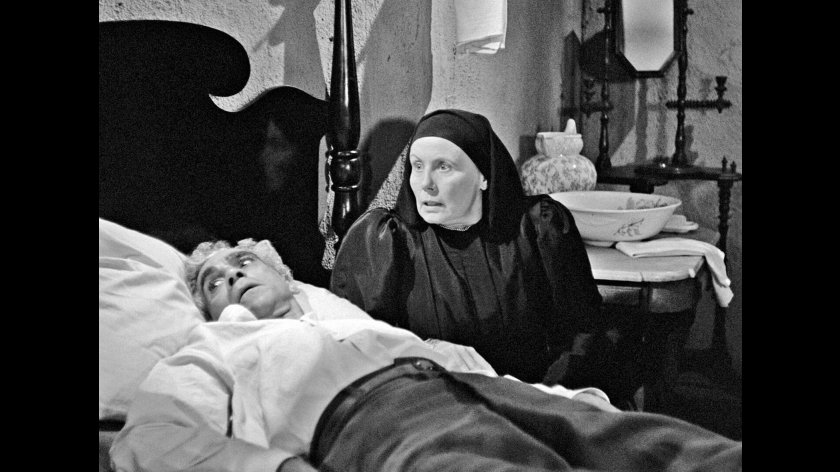
Austrian producers had a difficult time after the end of the Second World War due to trade restrictions with Germany, their former main customer. When these restrictions were removed in 1948, the film industry gained momentum again. DER ENGEL MIT DER POSAUNE is the first major prestige project of its kind. The novel it is based on was written by Ernst Lothar, former director of the Theater in der Josefstadt, and published in American exile. It revolves around a house in the centre of Vienna, the people who came and went there over the decades and, subsequently, Austria between 1888 and 1945. The upper middle-class Alt family of piano makers and the various fates that befell them in the face of the historical upheavals of this period form the core of this narrative. The film unintentionally adds another aspect to all this: the fact that it is mainly those previously active in the Nazi regime who are cavorting in front of and behind the camera once again reveals Austria’s problematic self-image and the way it deals with its past—especially its recent past—with a troubling sense of unbroken continuity. A degree of rehabilitation is achieved, however, especially with regard to the film’s leading actress, and the film is, like few of its time, an Austrian cultural asset par excellence even today. (Florian Widegger)
Karl Hartl: BERGE IN FLAMMEN (1931), DER PRINZ VON ARKADIEN (1932), F.P.1 ANTWORTET NICHT (1932), GOLD (1934), DER MANN, DER SHERLOCK HOLMES WAR (1937), WEN DIE GÖTTER LIEBEN (1942), HAUS DES LEBENS (1952), ALLES FÜR PAPA (1953), MOZART (1955)
- Paula Wessely
- Hedwig Bleibtreu
- Paul Hörbiger
- Oskar Werner
- Helene Thimig
- Karl Hartl
- Franz Tassié
- Günther Anders
- Josefine Ramerstorfer
- Willy Schmidt-Gentner
- Otto Niedermoser
- Walter Schmiedel
- Ernst Lothar