Égypte, la cité des morts
Égypt, The City of the Dead
“Each time I made a film, it was in a given political period; each time I had a political objective.” (Jocelyne Saab)
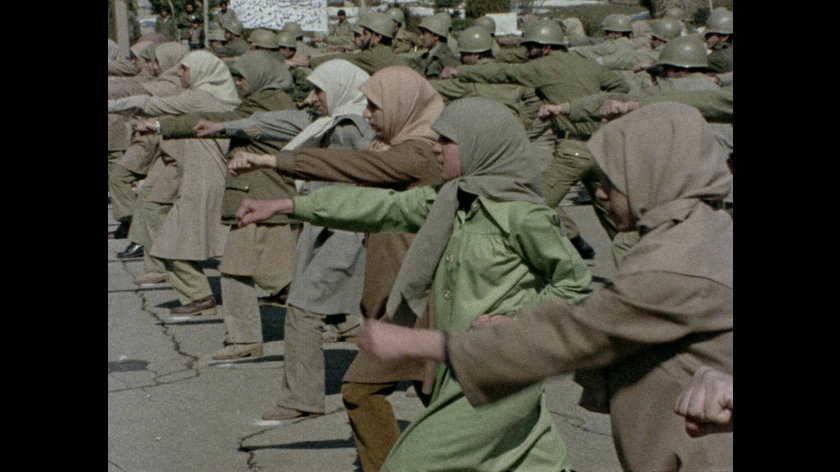
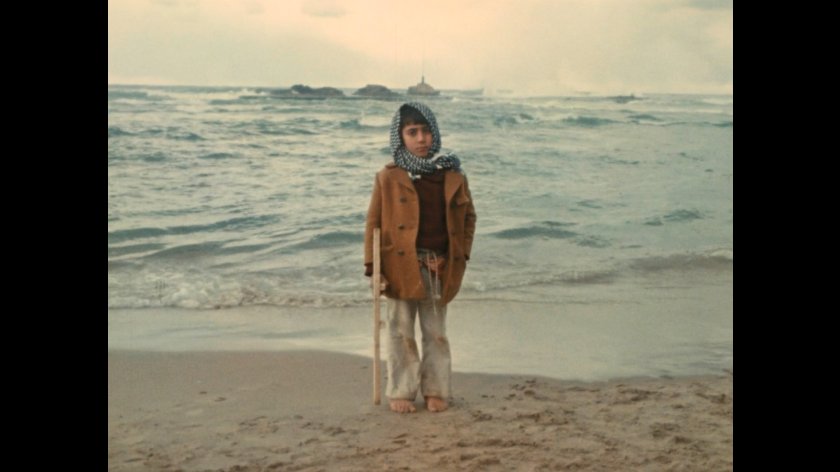
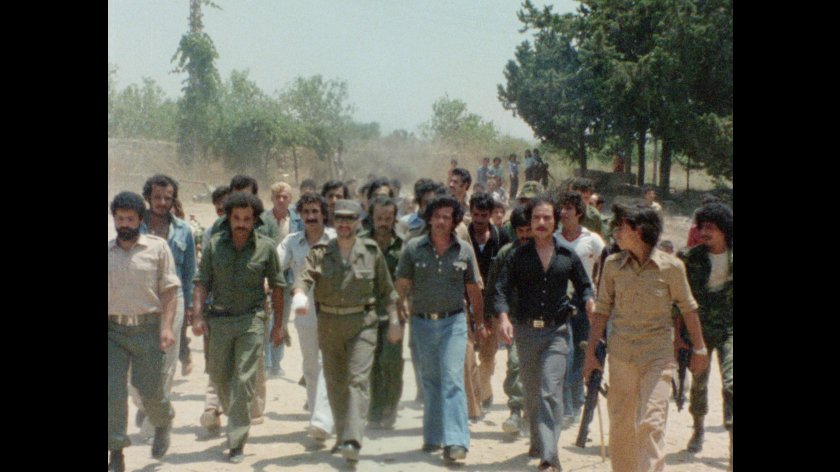
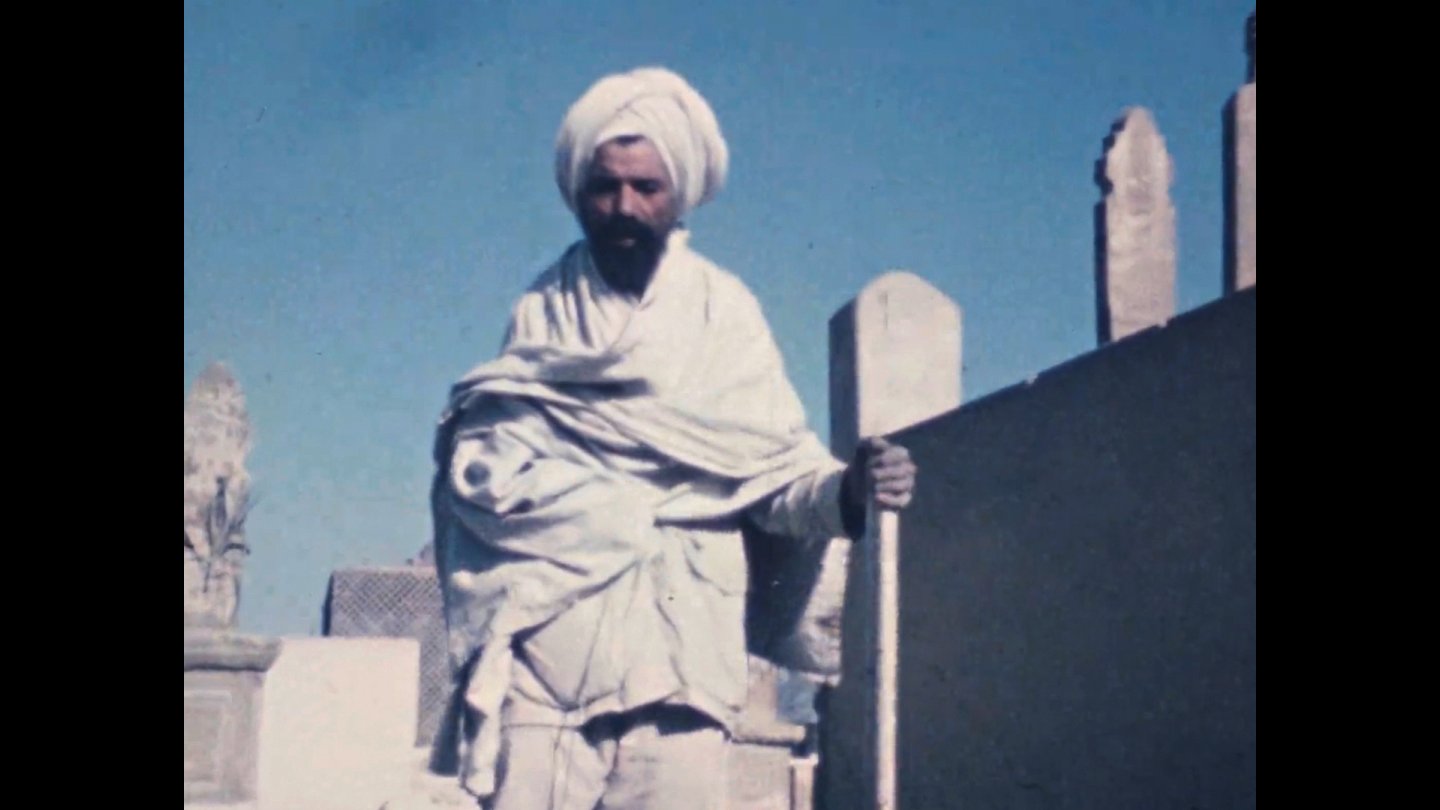
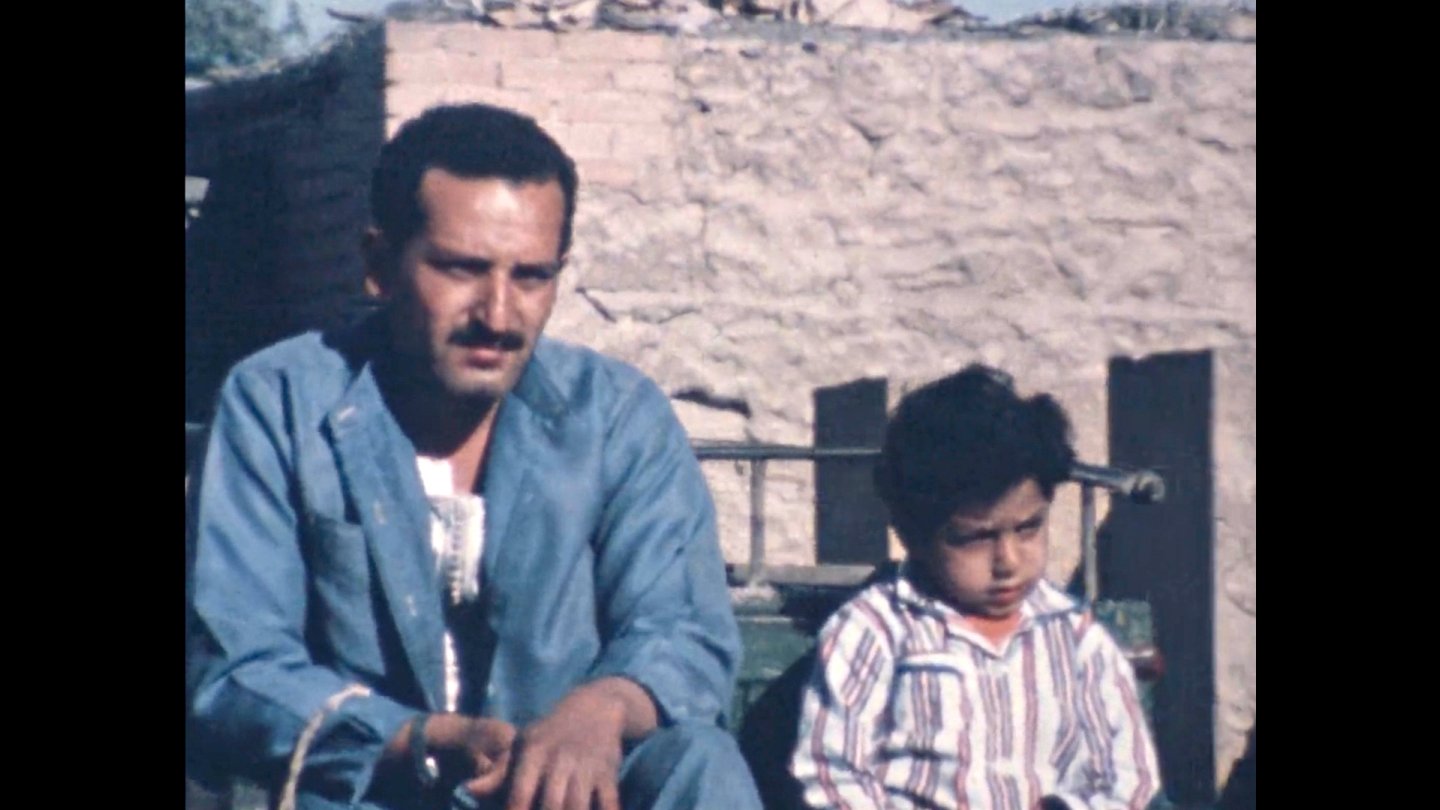
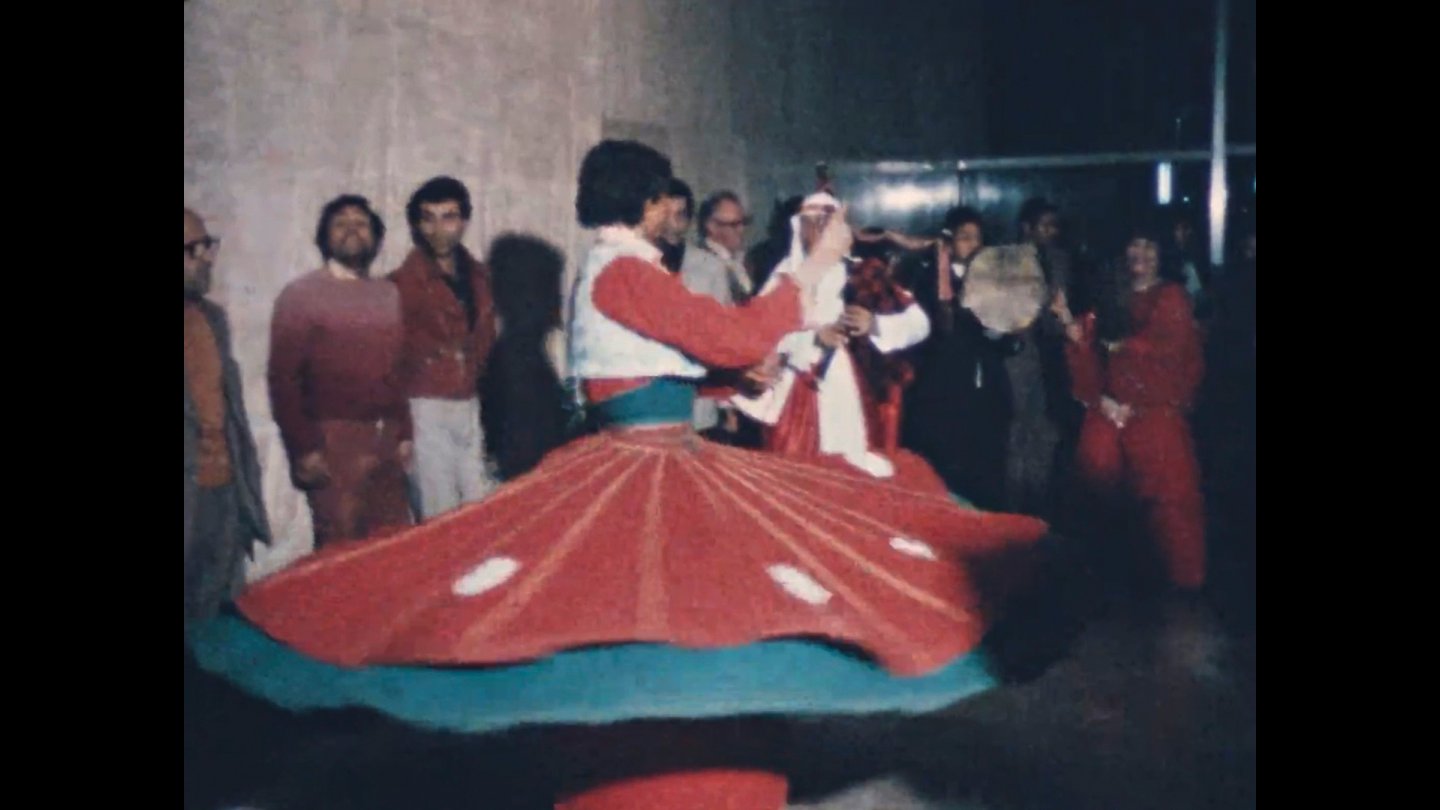
Shot across a changing Middle East—in Lebanon, Egypt and Iran—these three films are contemporary with Saab’s celebrated Beirut trilogy (1976–1982) and were also made for, and broadcast by, French television. Saab started out as a journalist who believed in her role of bearing witness, but by the time she made LES ENFANTS DE LA GUERRE, she was no longer interested in simply explaining the war in Lebanon to a Western audience. Perhaps the most literal and didactic film in the programme, but also the most devastating, LES ENFANTS DE LA GUERRE is a work of clear intent: to denounce war and violence. By looking at children so obsessed with death that it is all they can play, the horror of war becomes watchable but no less horrific. In ÉGYPTE, LA CITÉ DES MORTS, Cairo’s biggest cemetery, where the living are forced to live alongside the dead because of housing shortages, becomes a metaphor for the whole of Egypt at the time of Sadat’s liberalisation policies (“infitah”), which resulted in the impoverishment of Egyptian people, stalling the country’s progress and further polarising society. Saab often draws contrasts—between those who have cars and those who wait for the bus, between Western-style buffets and Egyptian street food: stasis vs movement, tradition vs modernity, death vs life, religion vs philosophy, silence vs noise. And yet her films don’t advocate for an “either or,” but rather weave nuanced, multifaceted portraits of complex geopolitical situations, such as the aftermath of the revolution in IRAN, L’UTOPIE EN MARCHE. As we now know, the title’s utopia is doomed, but gestures of resistance, hope and revolution are still contained in the faces staring back at the camera. Faces and people were always central to Saab’s work: “My films were expected to be spectacular, but I reported on the lives of people and places, bringing out my culture and sensibility through the images. My sensibility is a medium; I work in order to express myself.” (María Palacios Cruz)
In the presence of Mathilde Rouxel (Jocelyne Saab Association).
This film will be shown as part of the screening NO PAST, NO FUTURE.
- Jocelyne Saab
- Hassan Naamani
- Juan Pablo Molestina
- Philippe Gosselet
- Cheikh Imam